
Analog Astronaut Conference 2021
This coming Saturday, May 1 is the first-ever Analog Astronaut Conference. This first-of-its-kind forum is assembled in part by Dr. Sian Proctor, a member of the Inspiration 4 all-civilian mission to space.
The conference agenda is as follows:
09:00 – 09:55 EDT Keynote Astronaut Dr. Scott Parazynski
10:00 – 10:55 EDT Analog Astronaut Research Panel
11:00 – 11:30 EDT Keynote Dr. Ulyana Horodyskyj
11:30 – 12:00 EDT Break
12:00 – 12:55 EDT Space Training Programs Panel
13:00 – 13:55 EDT Analog Habitats Panel
14:00 – 14:30 EDT Keynote Dr. Sian Proctor
14:30 – 15:00 EDT Break
15:00 – 15:55 EDT Diversity and Inclusion in Analogs Panel
16:00 – 16:55 EDT Analog Astronaut Science Communication and the Arts
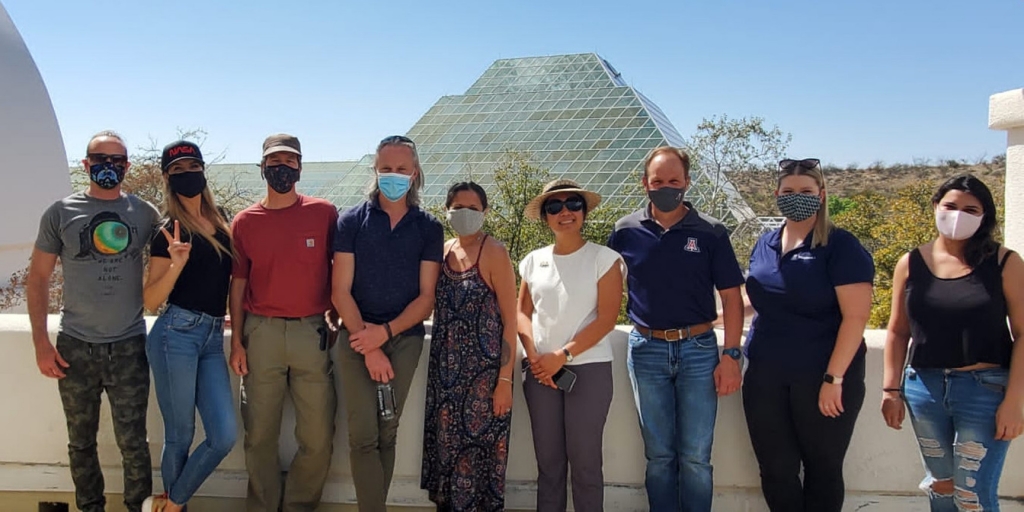
SAM Director Kai Staats will be participating in the Analog Habitats Panel.
Per the embedded video (top), the audio for Kai’s presentation in the Analog Habitats Panel is rather garbled, so a transcription is provided:
Kai Staats, Director of SAM at Biosphere 2
We are building a Space Analog for the Moon and Mars at the Biosphere 2, the world-
renowned facility outside of Oracle, Arizona … it has a [heritage] that goes back to the
late 1980s and early ‘90s with eight people living inside for two years … we are carrying
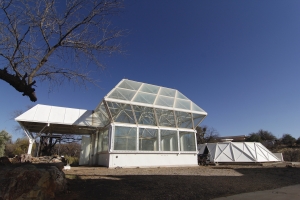
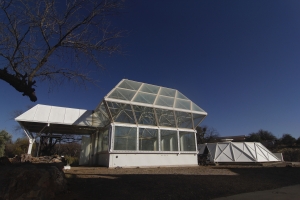
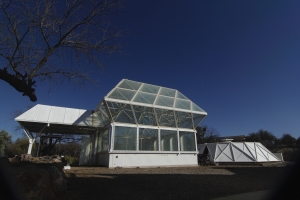
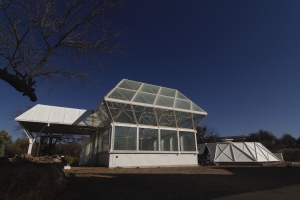
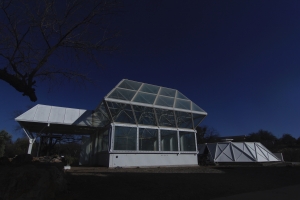
forward the experience of that facility.We have the great fortune of using the Test Model, which was the prototype built before
the Biosphere in 1987 [and] operating through 1989. The eight Biospherians are shown
standing on top of the [Test Model] lung. This facility was used for up to three weeks
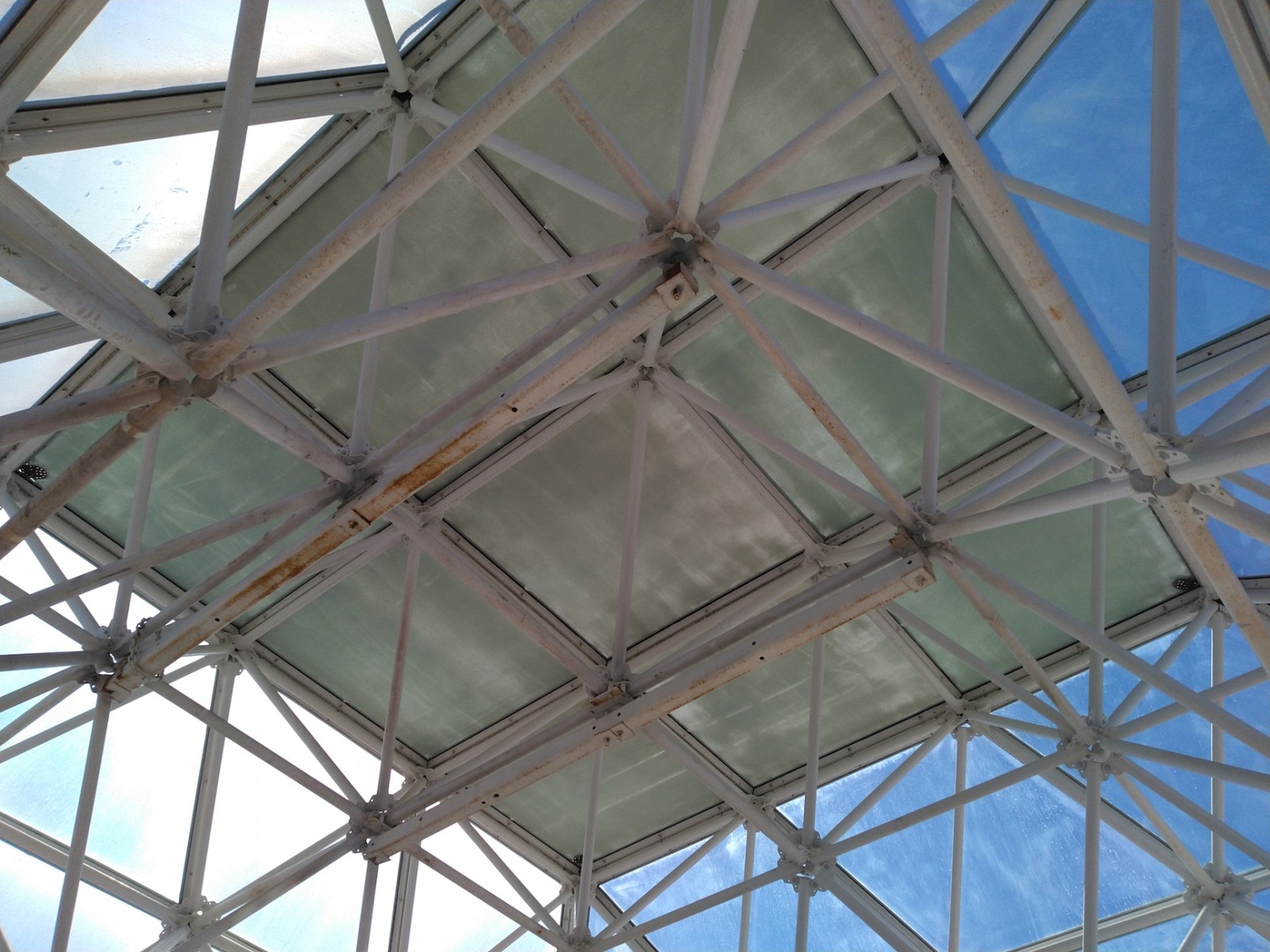
with fully bioregenerative life support. So it’s basically a sealed greenhouse … an
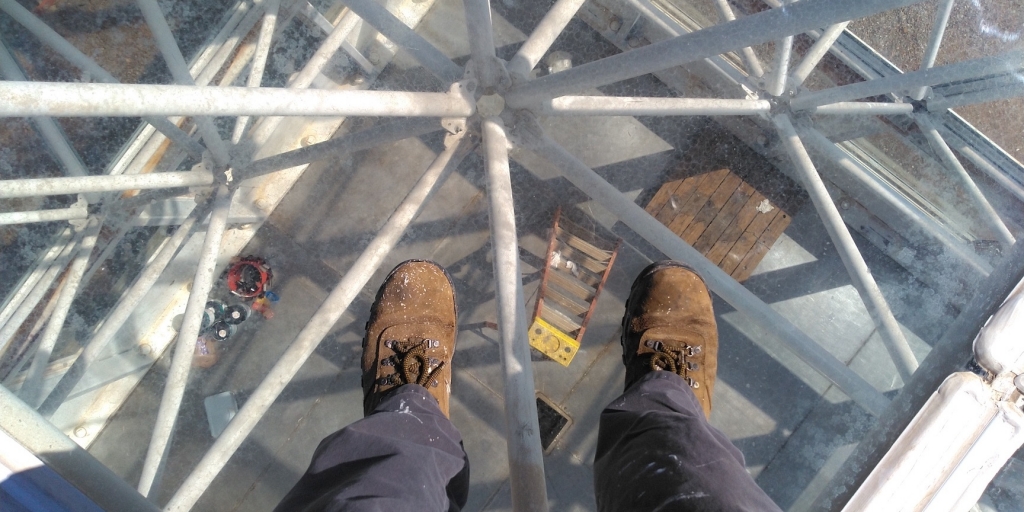
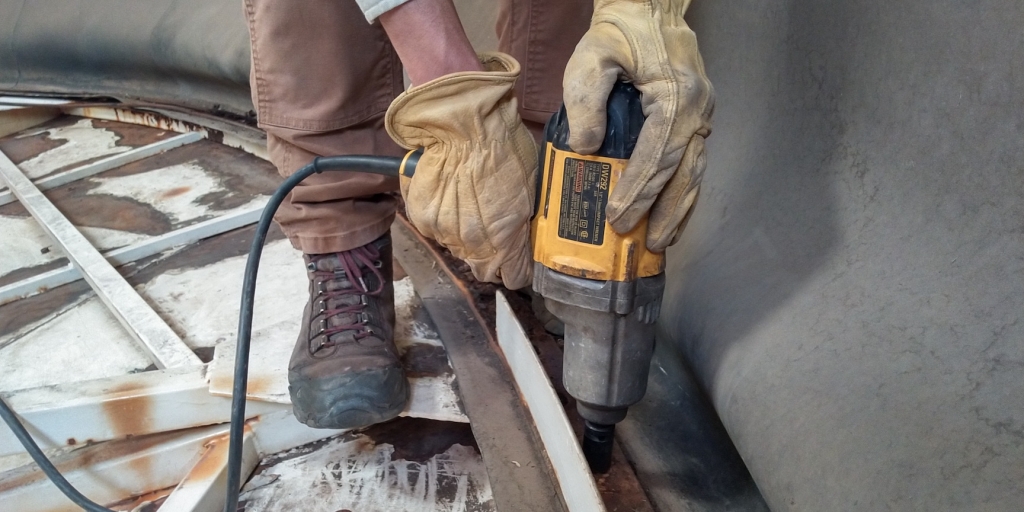
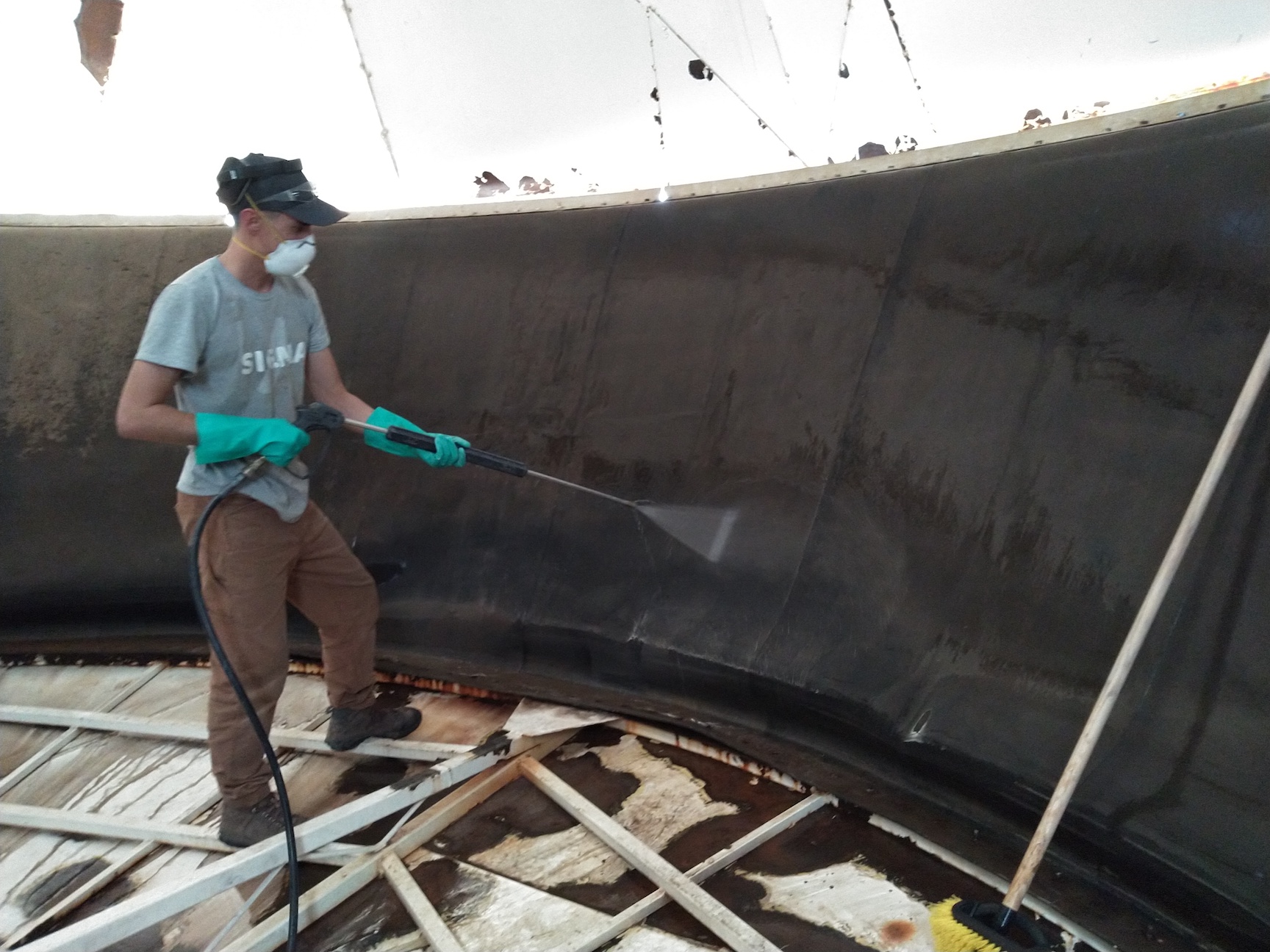
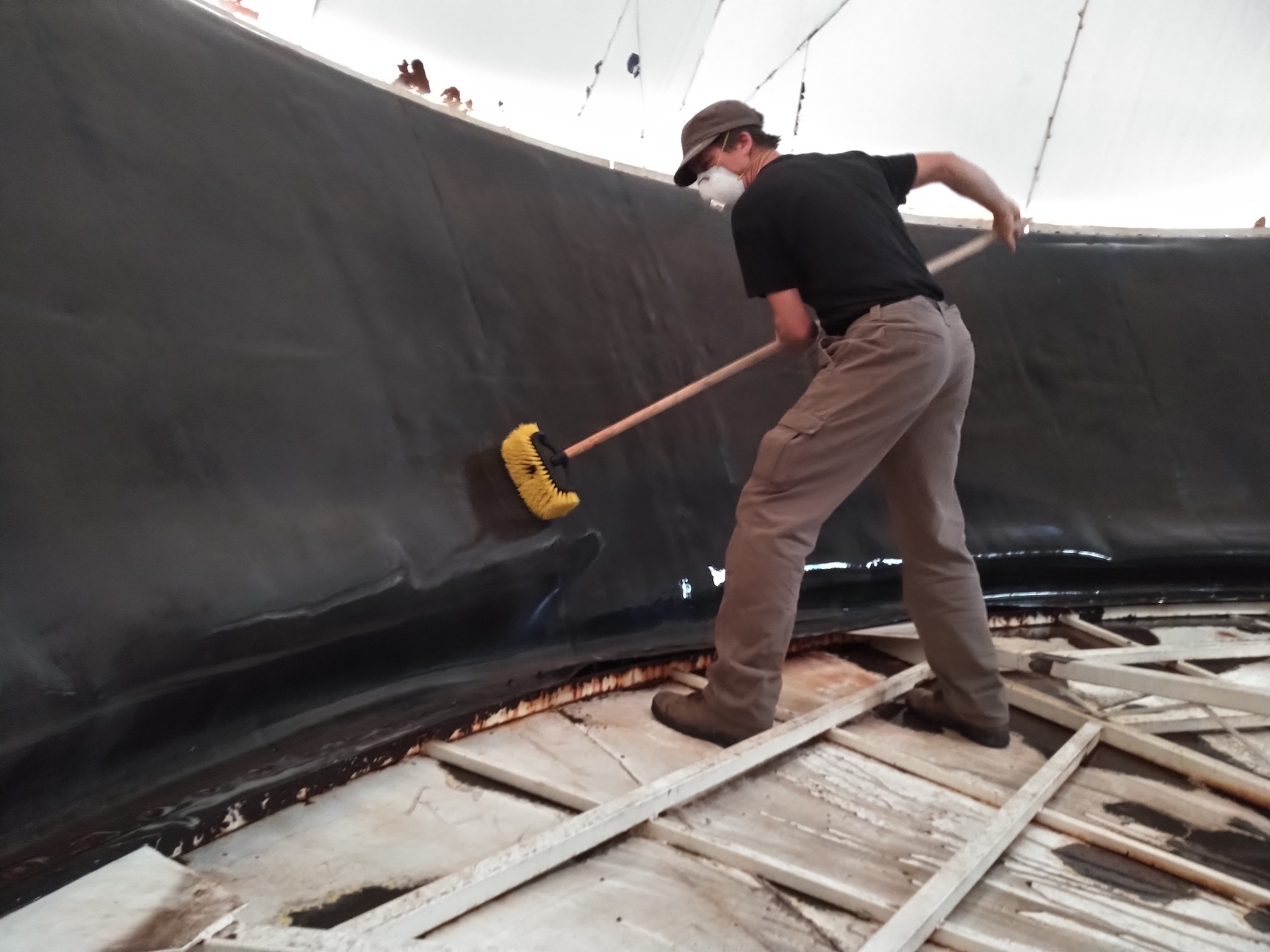
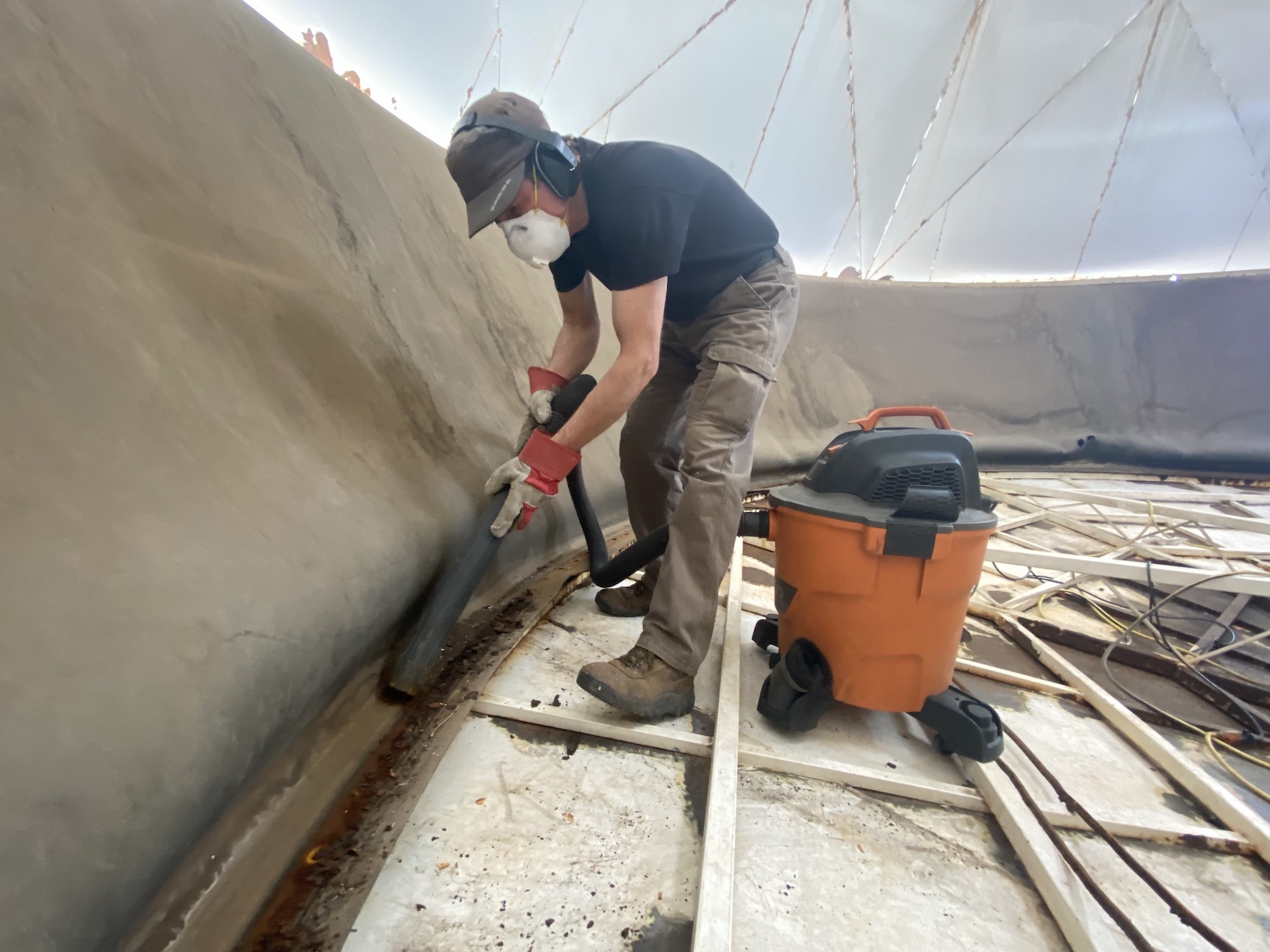
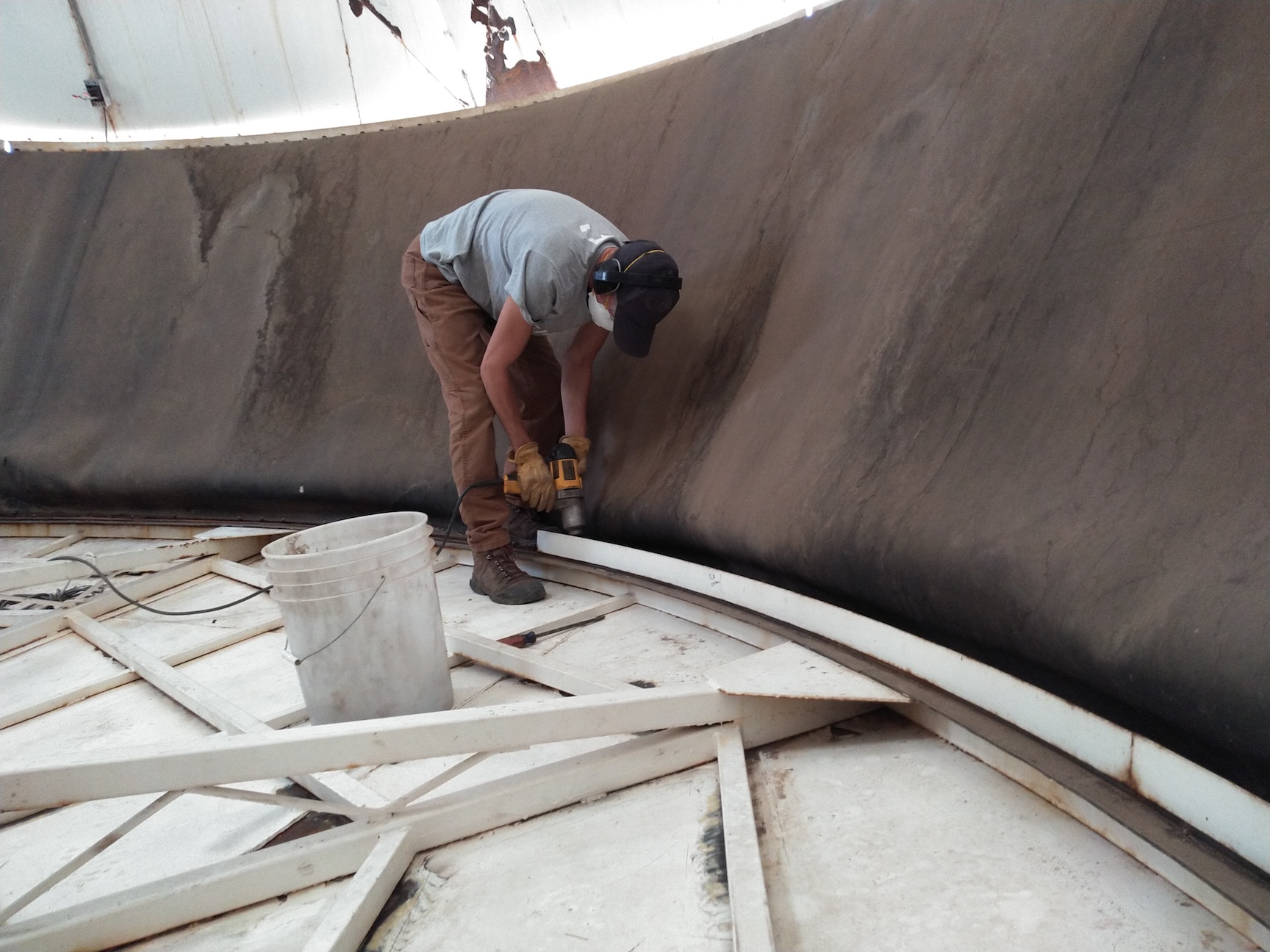
innovated way to manage pressure using “a lung”.My good friend and associate Trent Tresch and I started working on the reconstruction
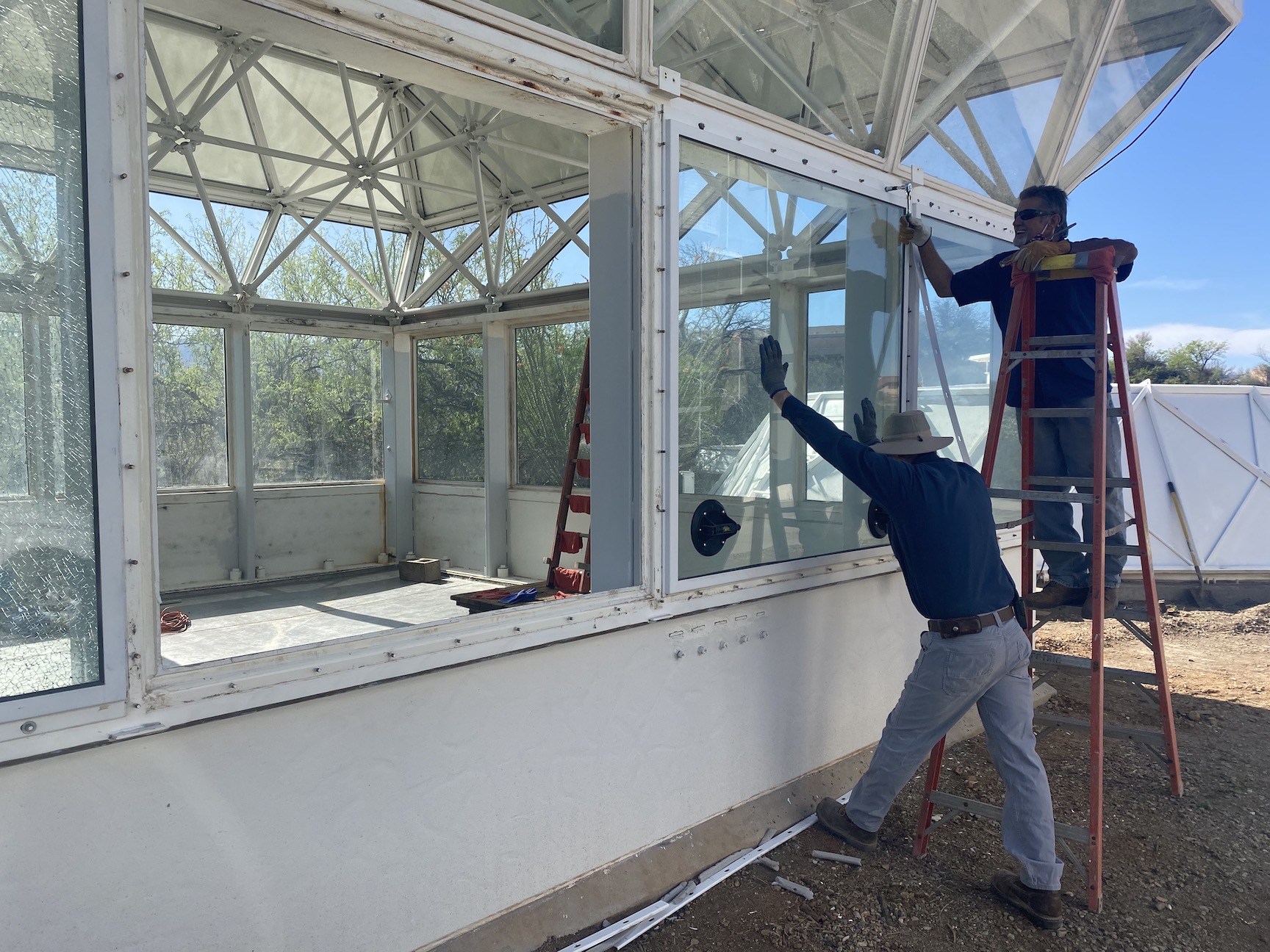
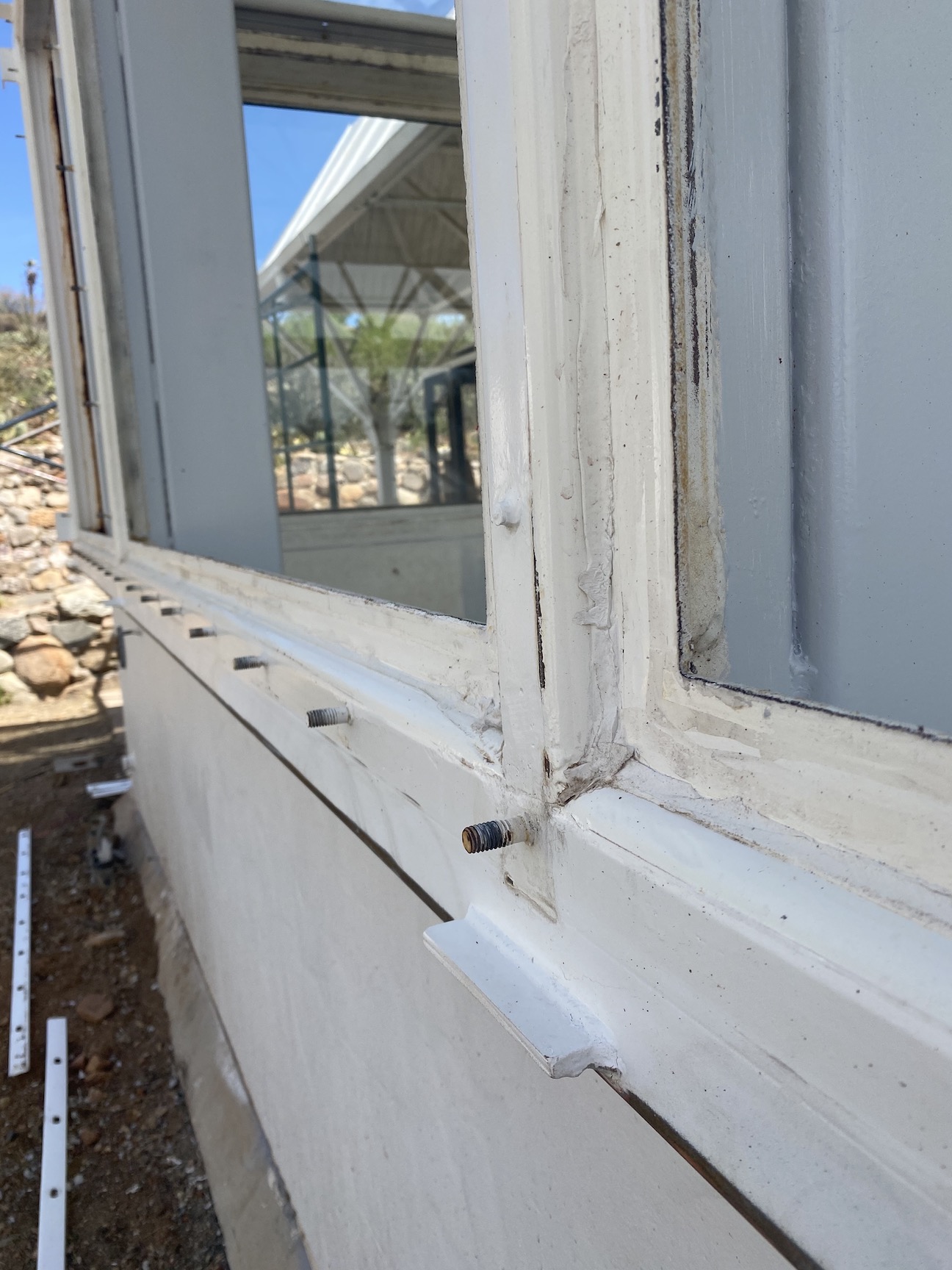
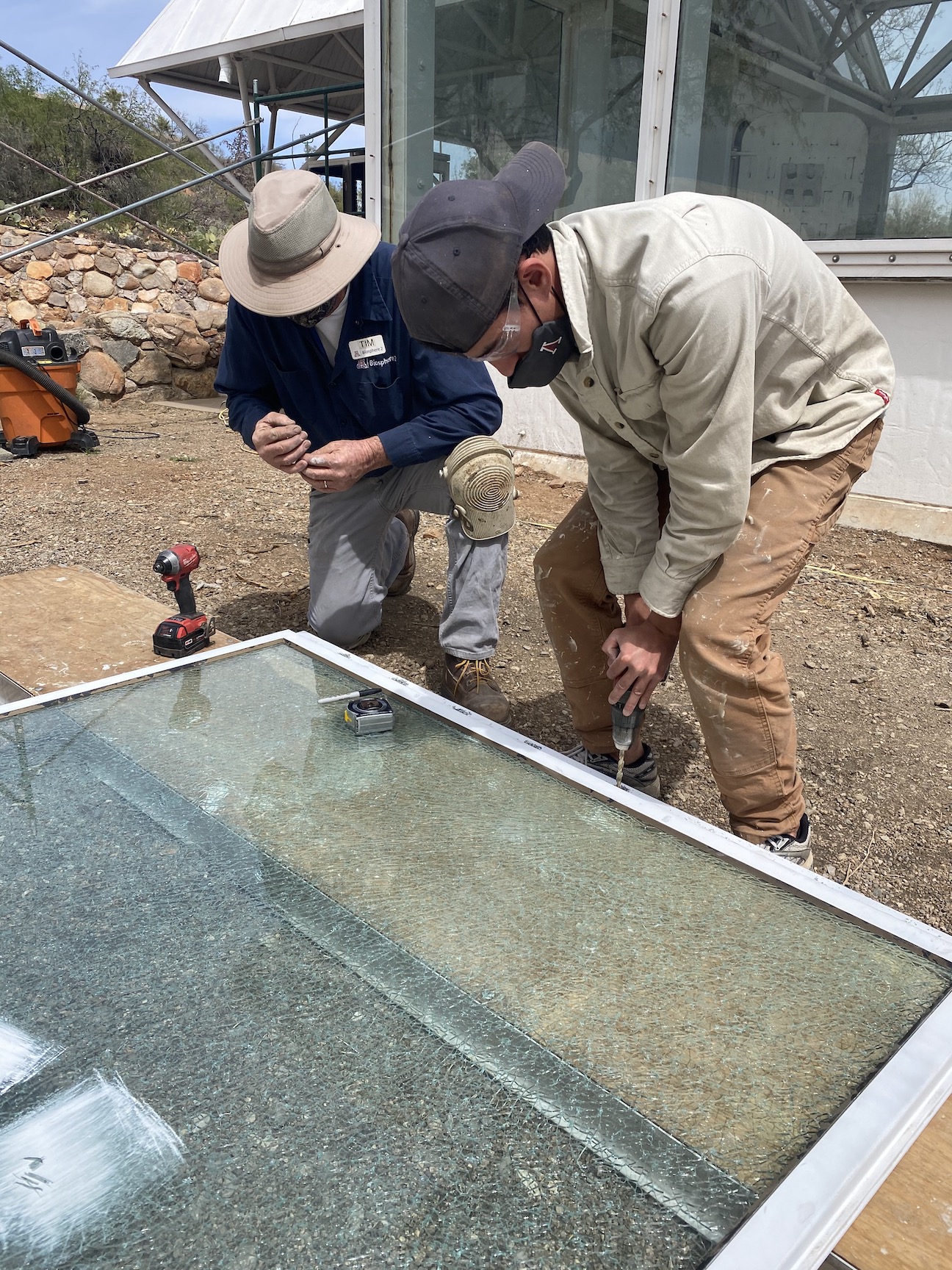
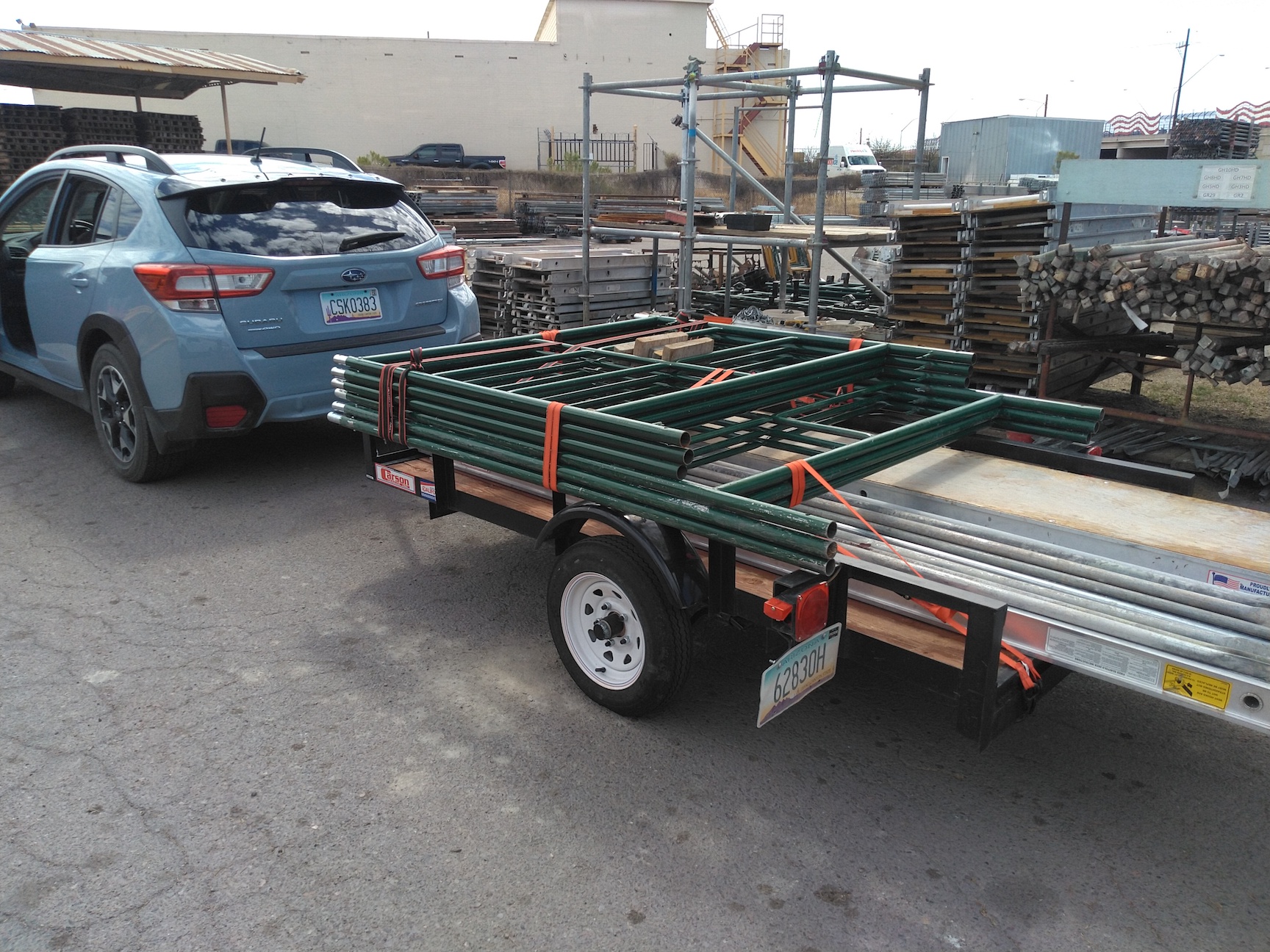
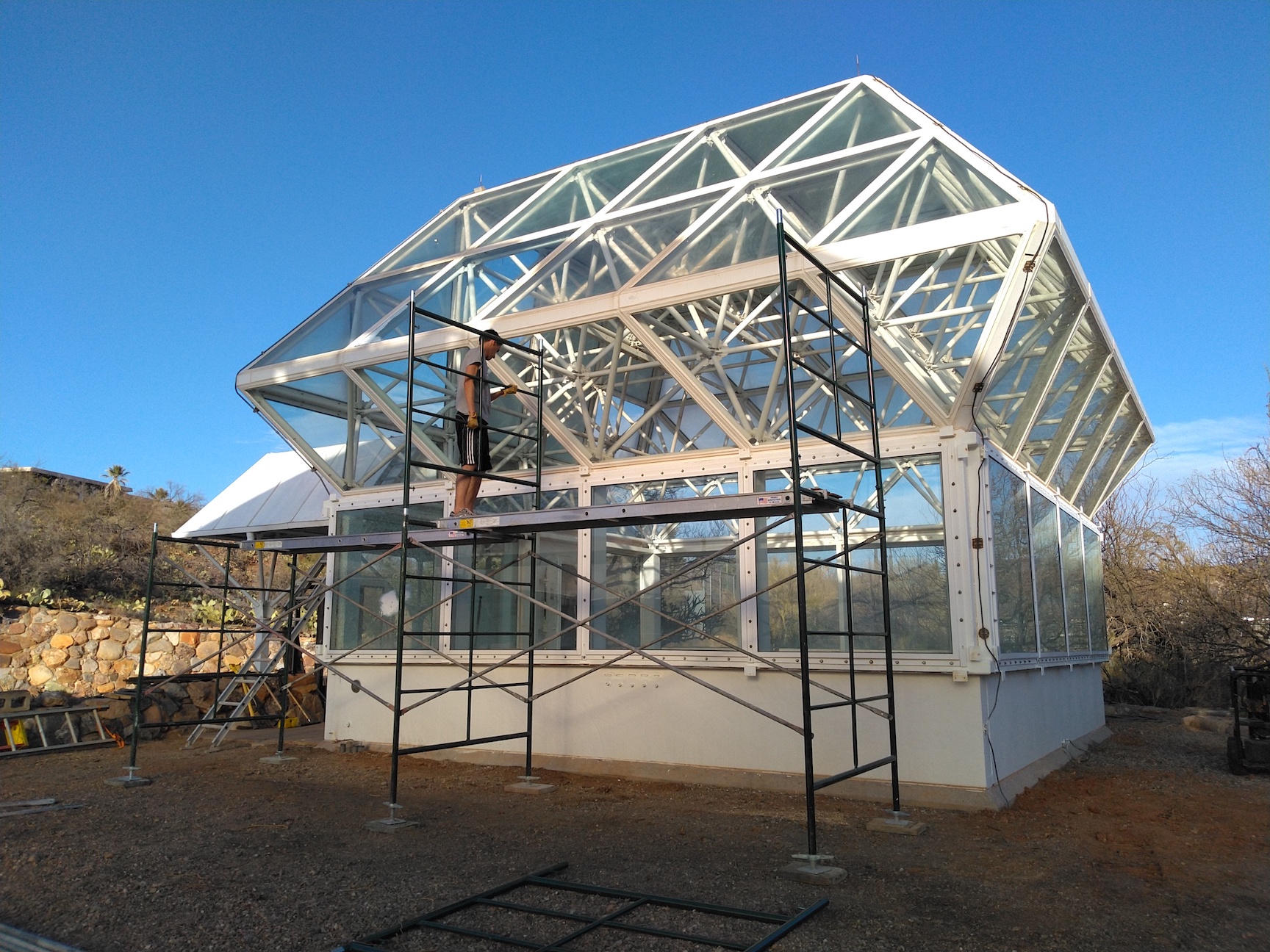
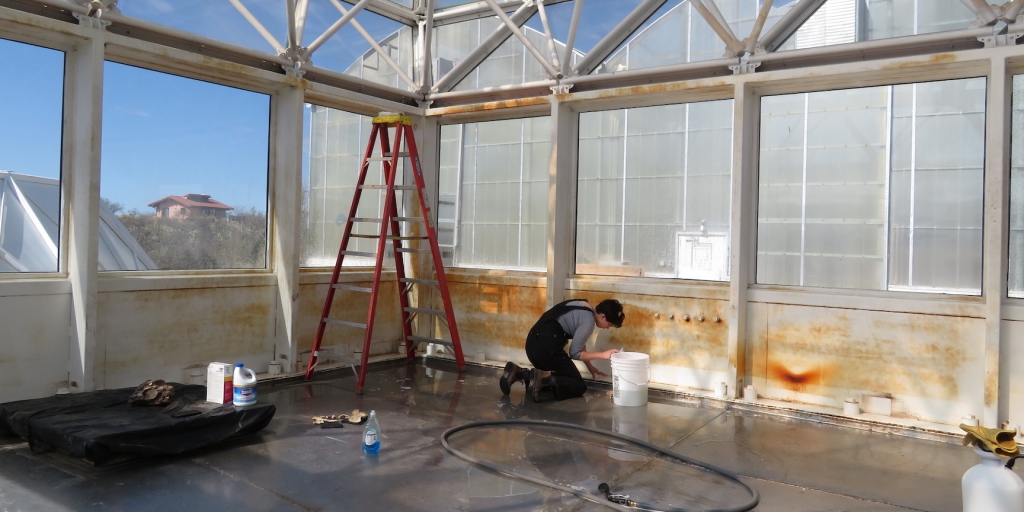
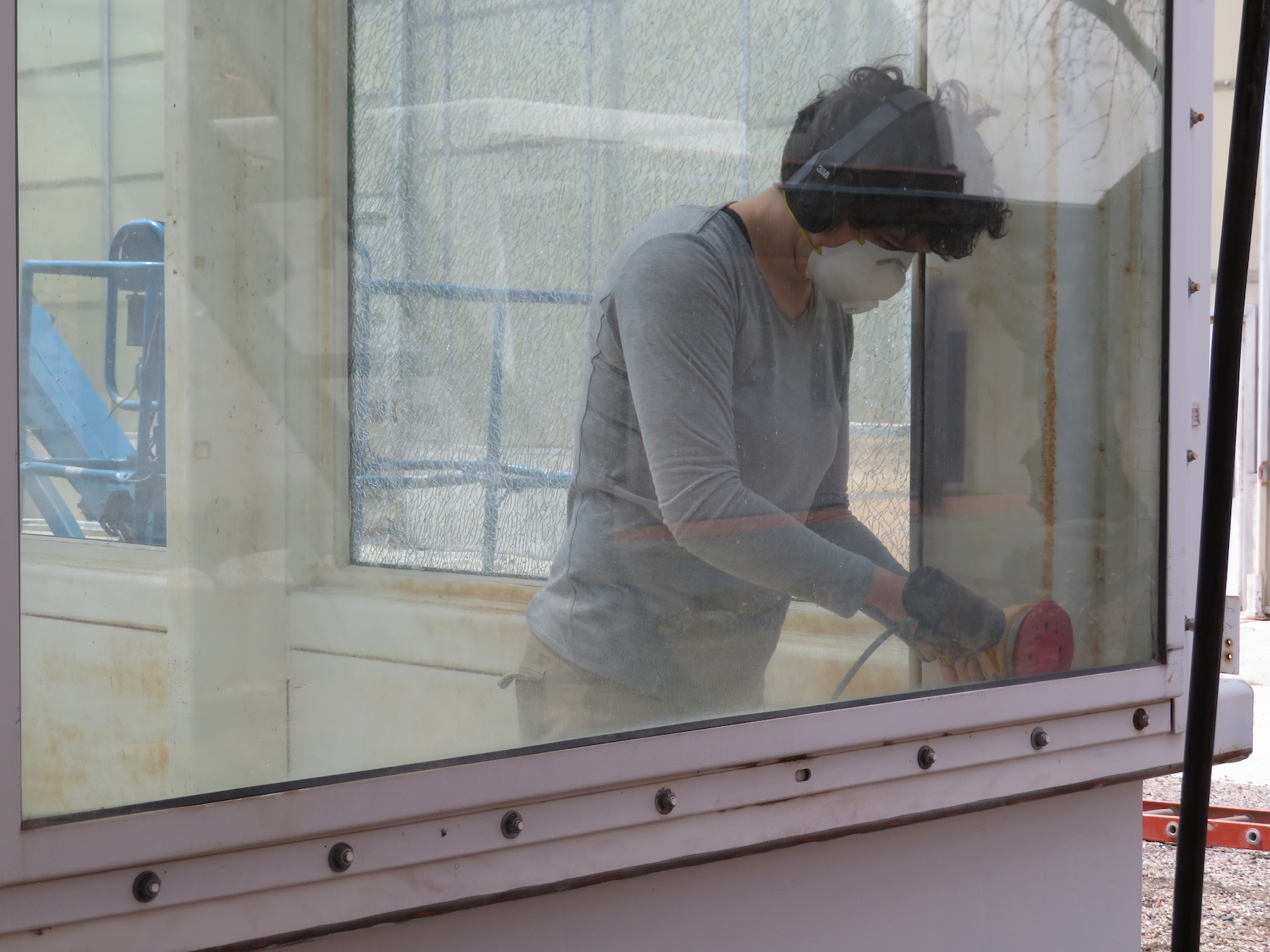
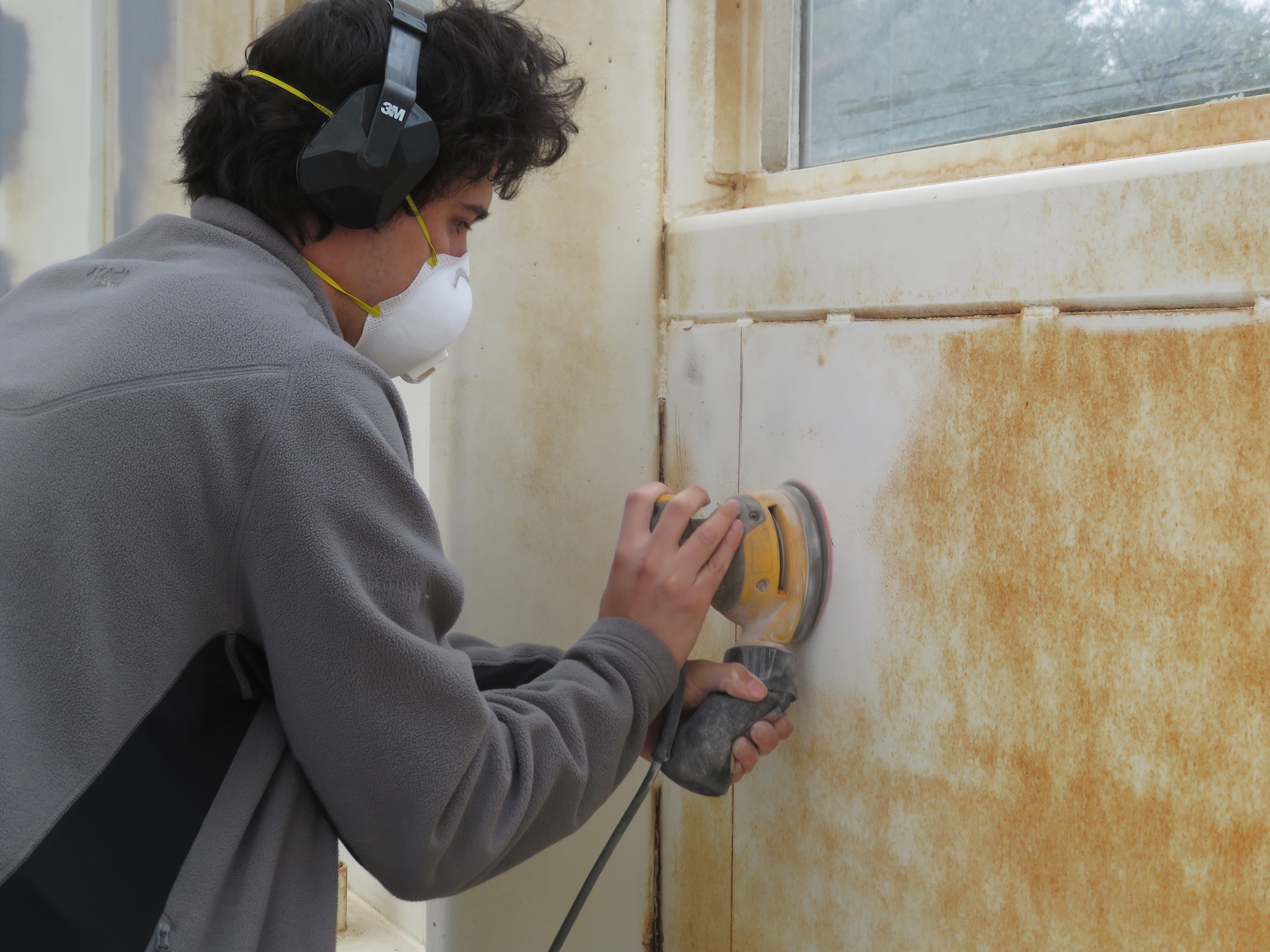
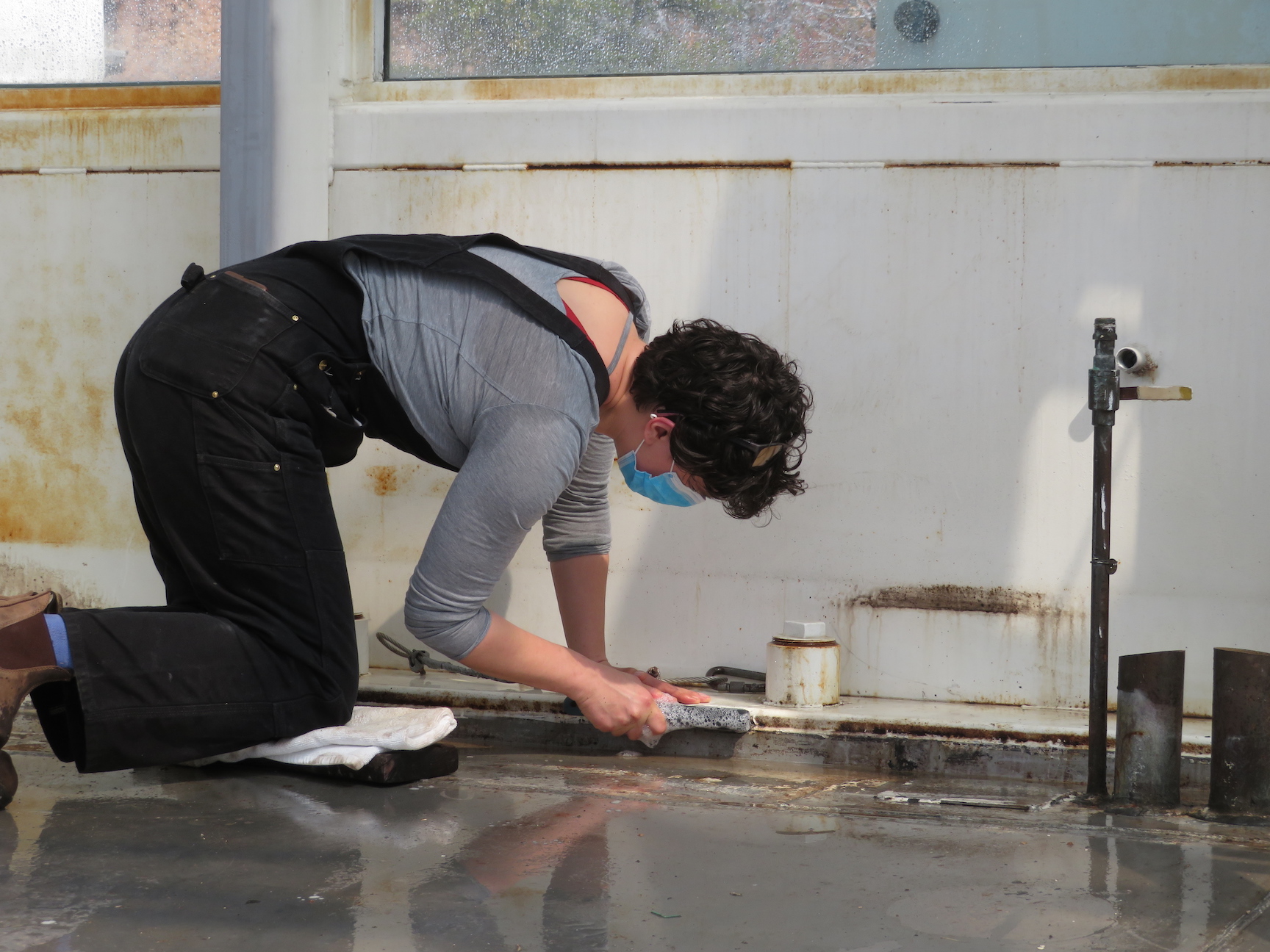
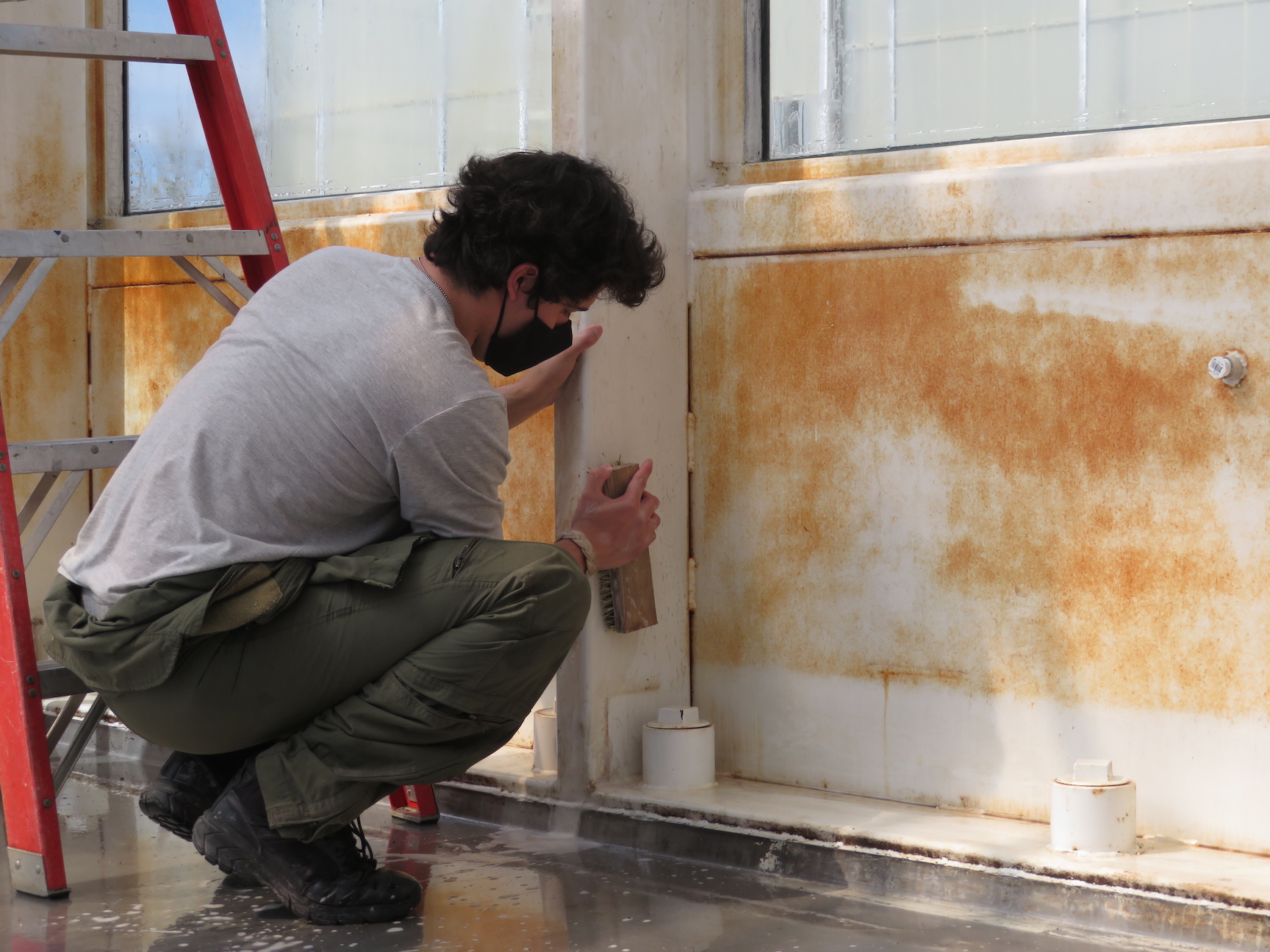
of this with volunteers and members of the Biosphere 2 team on January 20th and have
been going nonstop 18 hours a day for two and a half months straight. And we’ve been
grinding and sanding and vacuuming and rewiring and painting to get this facility up and
running. We’re doing everything we can, every step of the way is done with an eye to
the science.
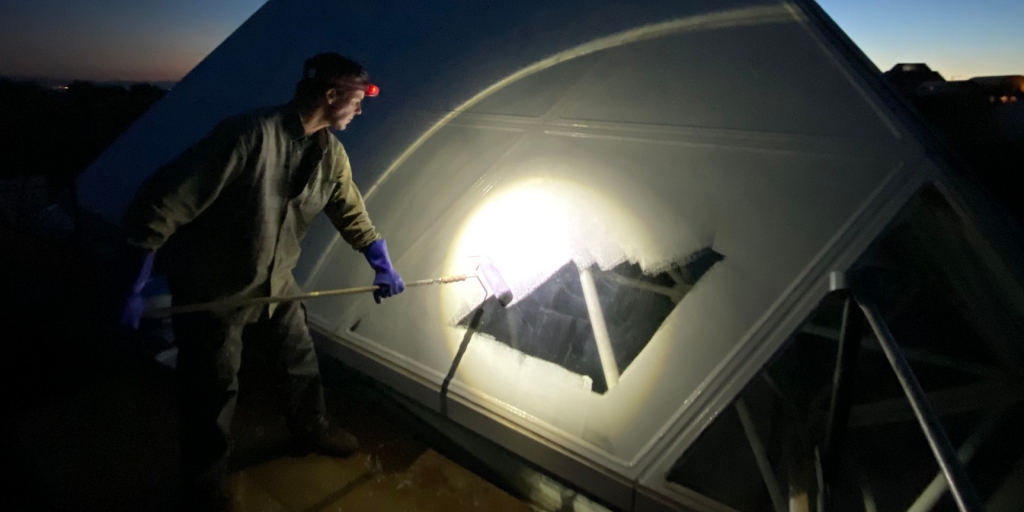
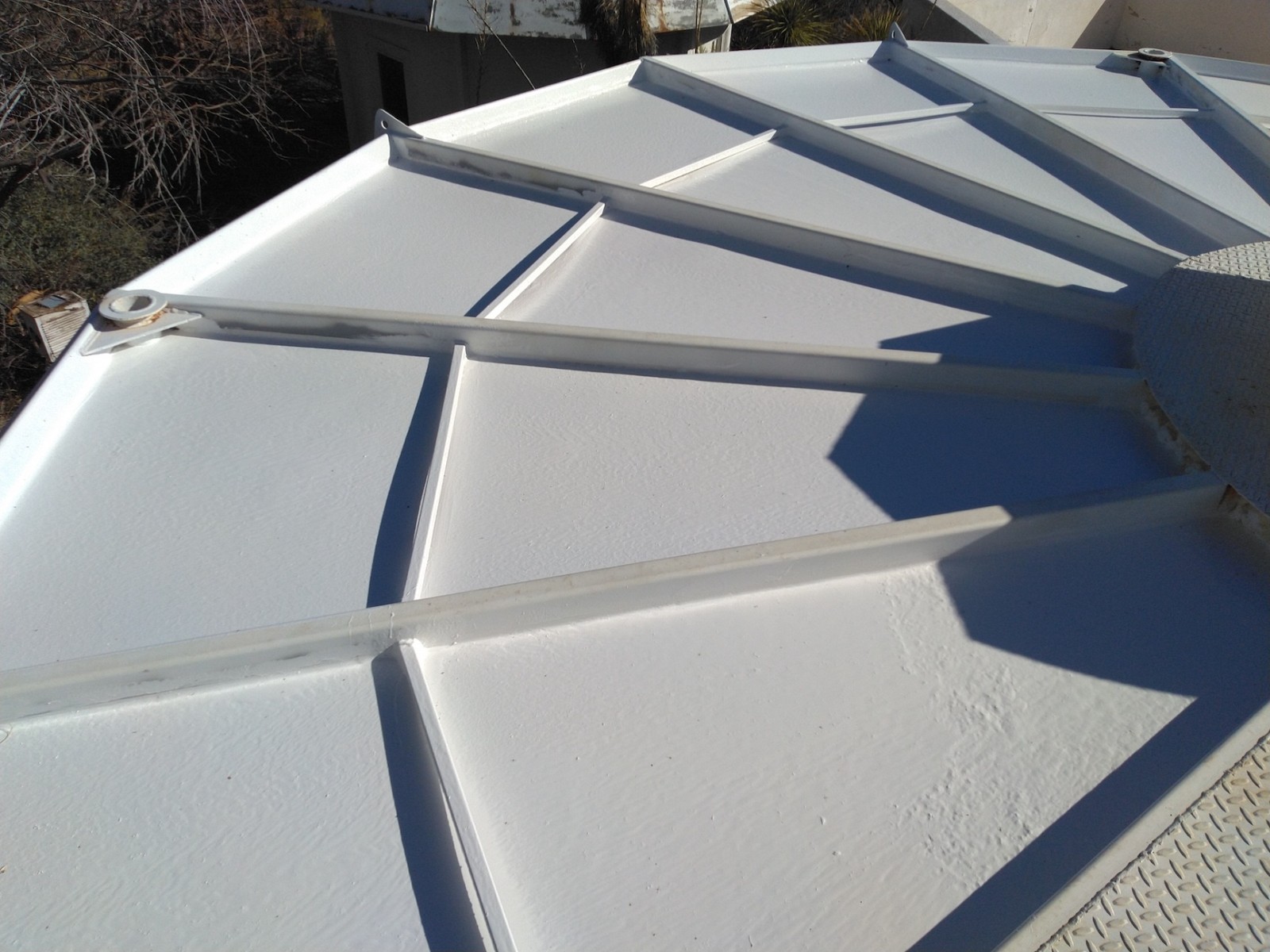
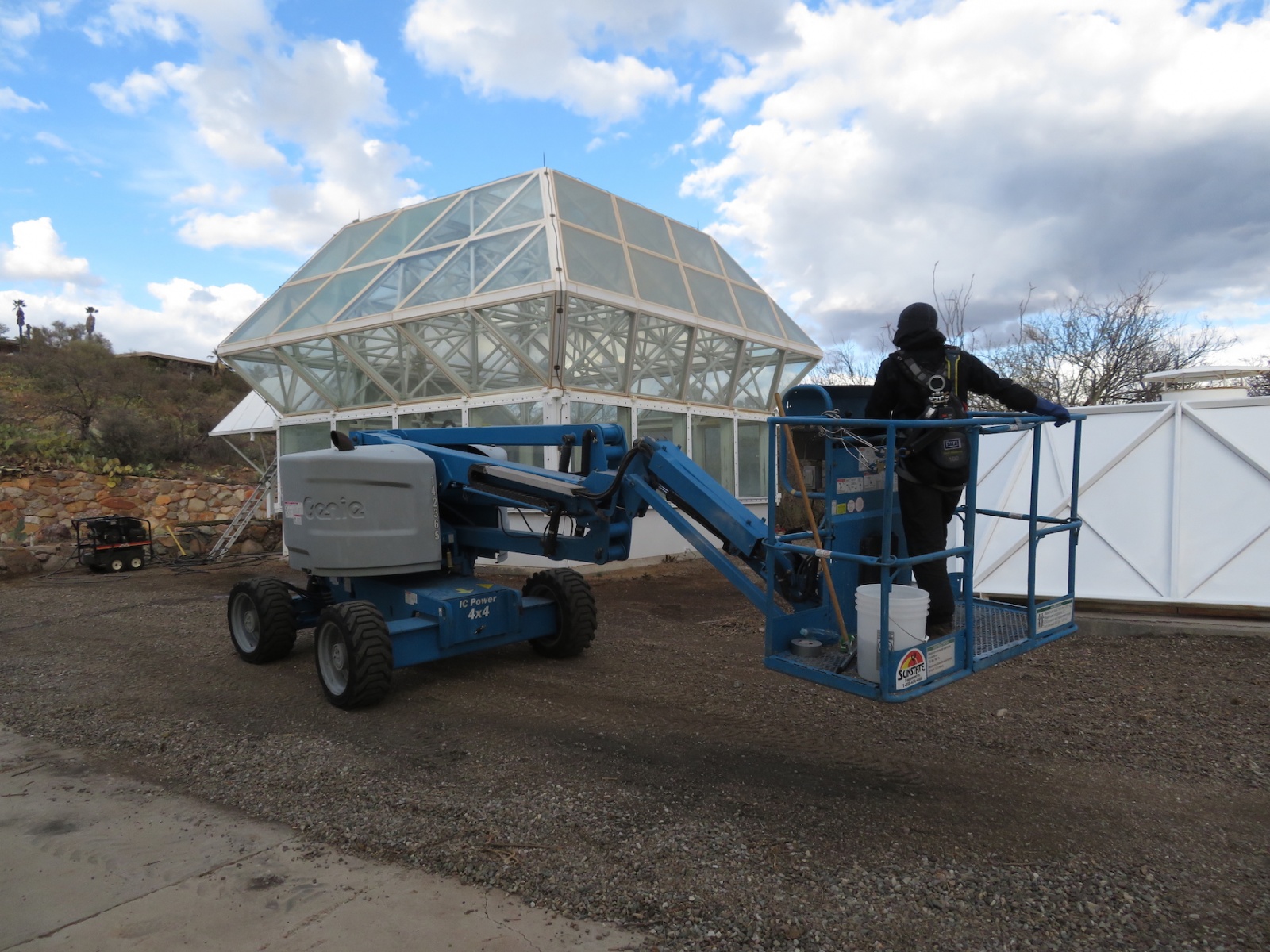
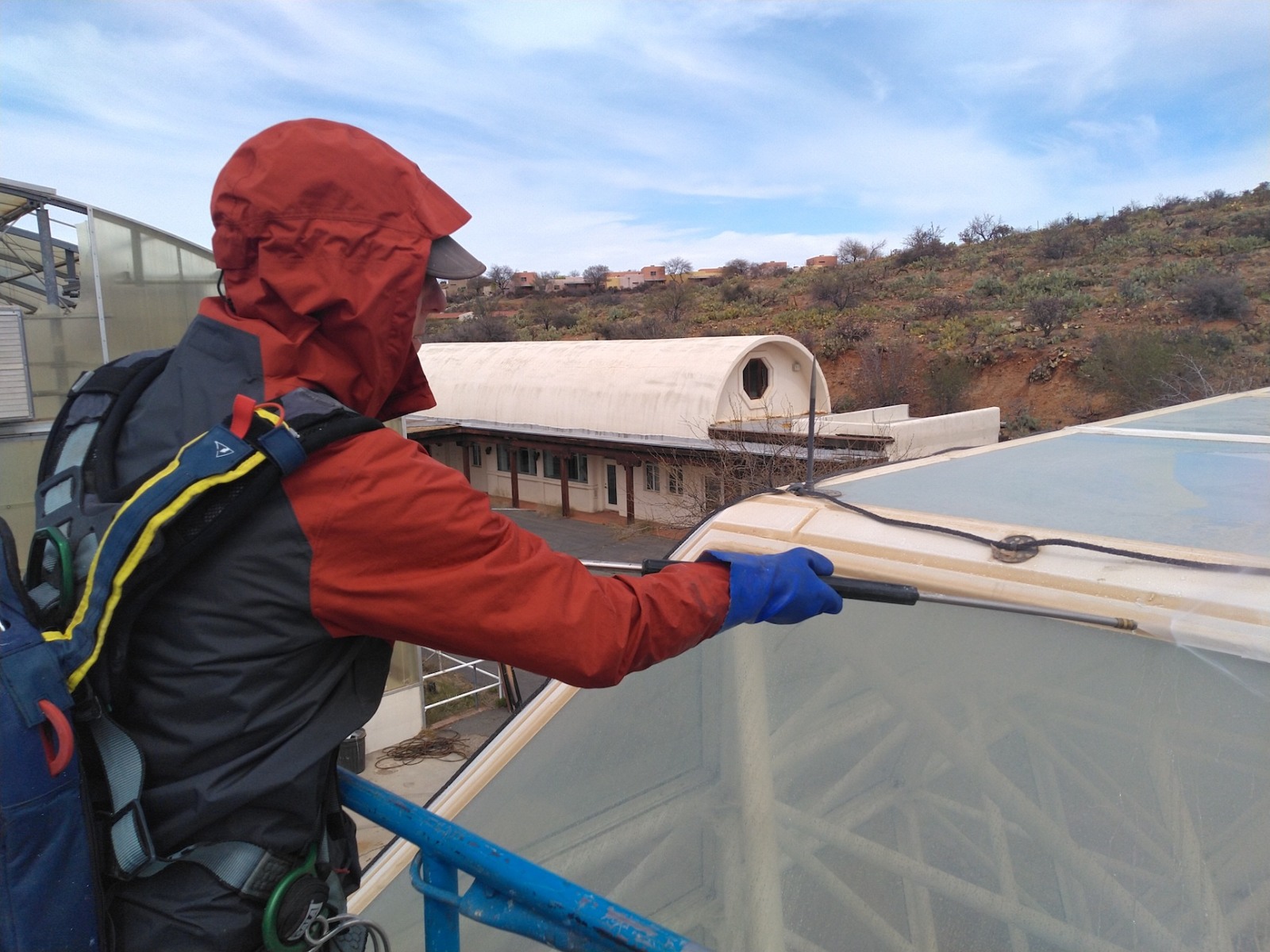
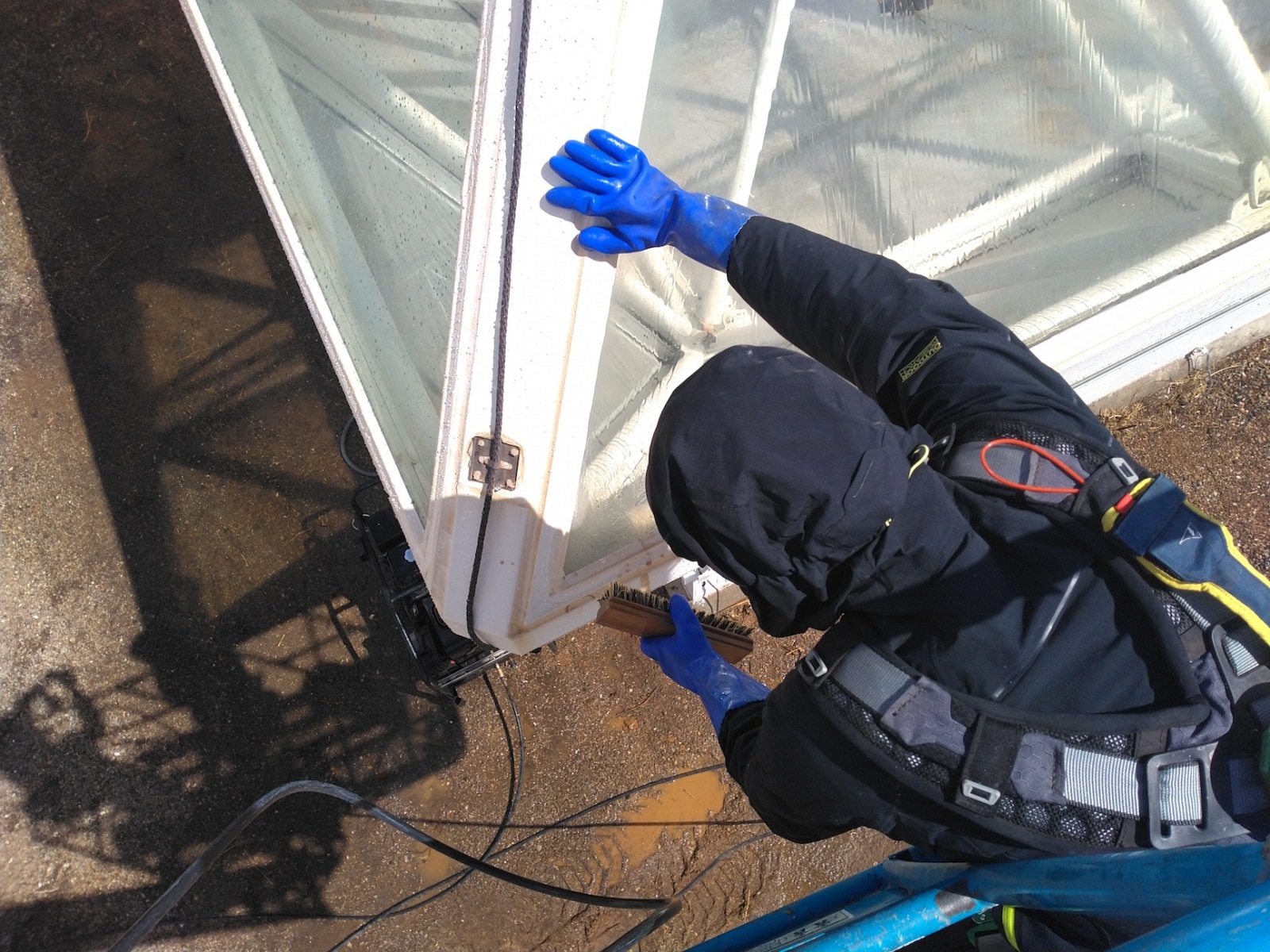
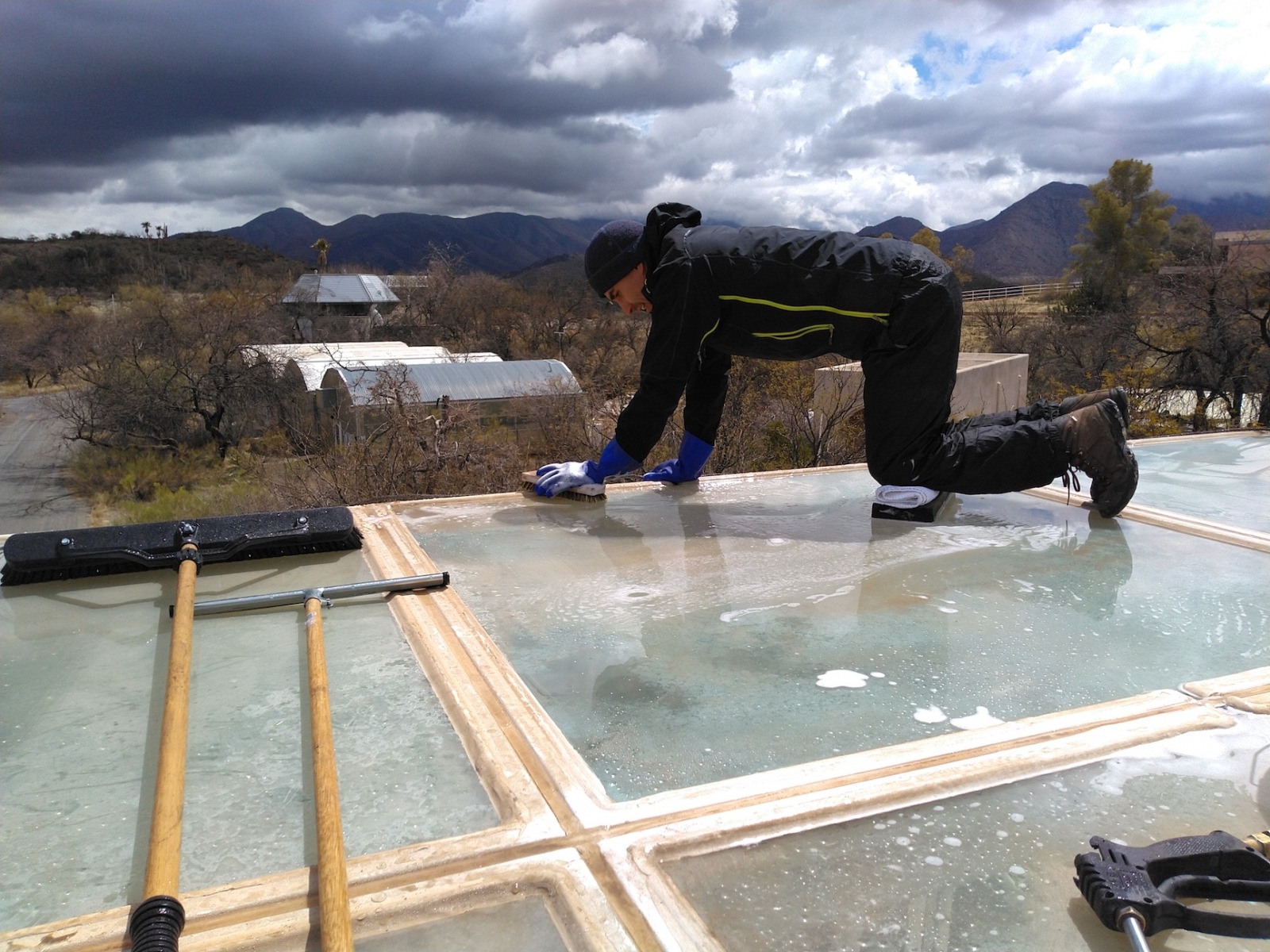
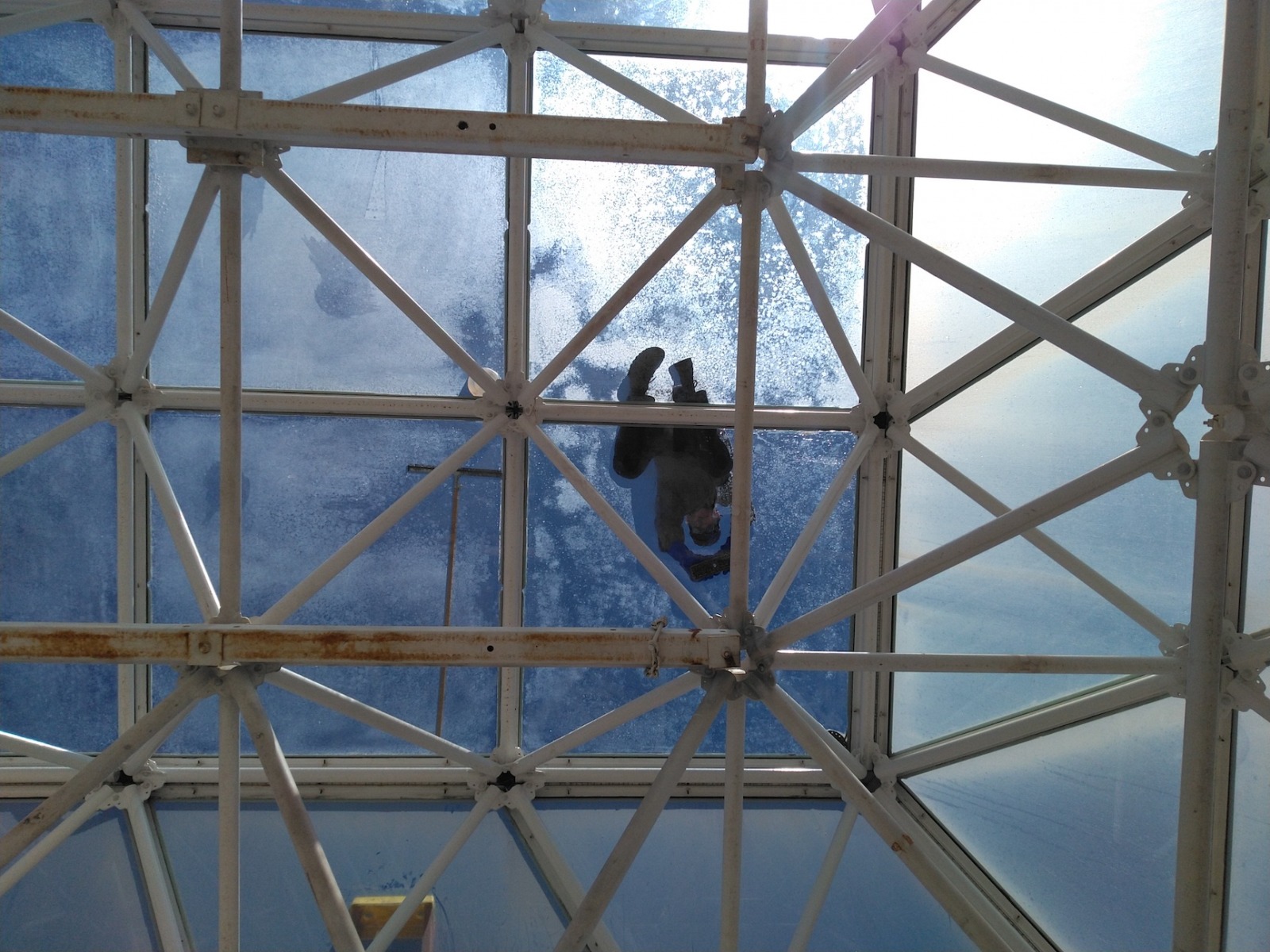
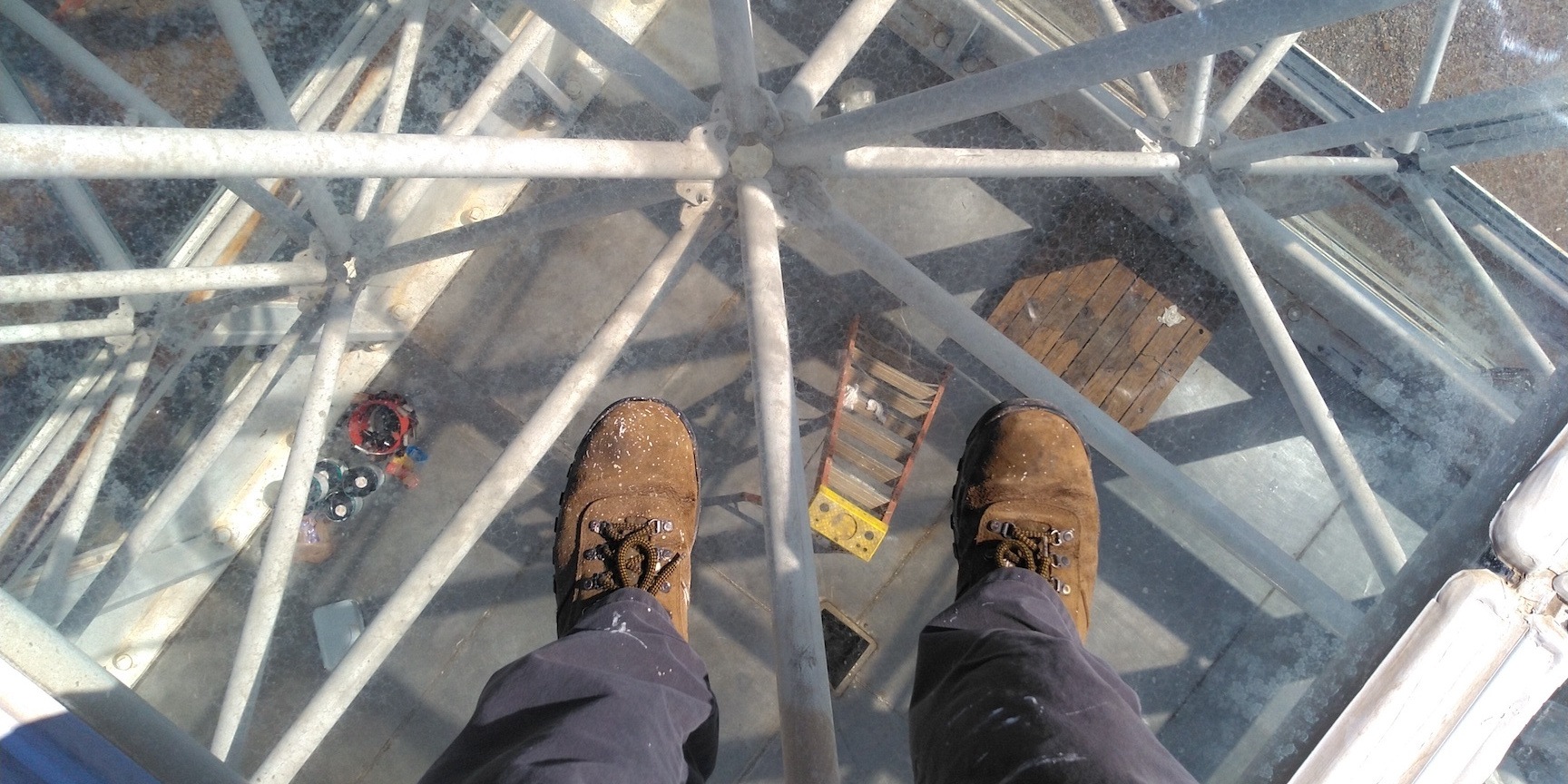
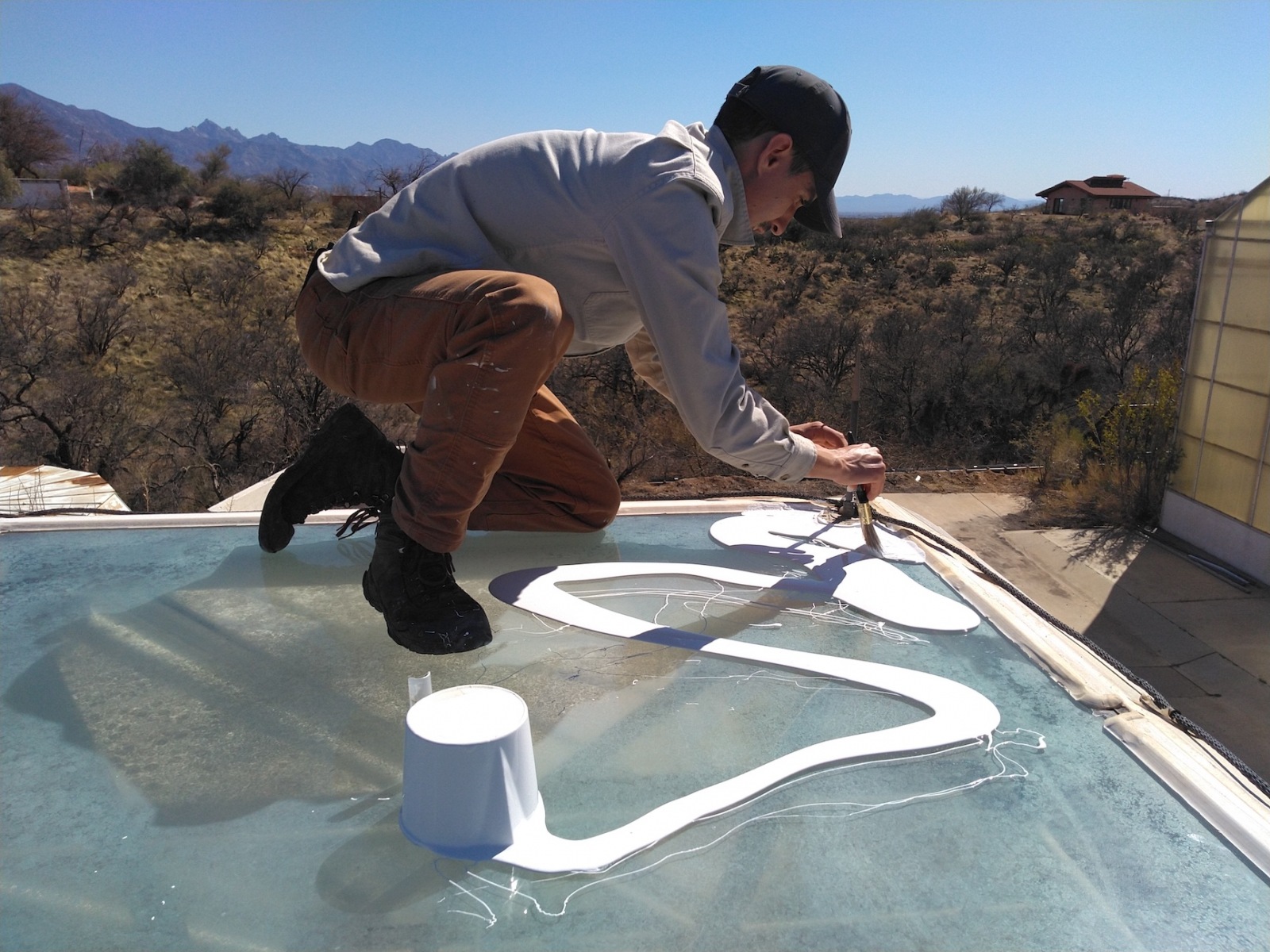
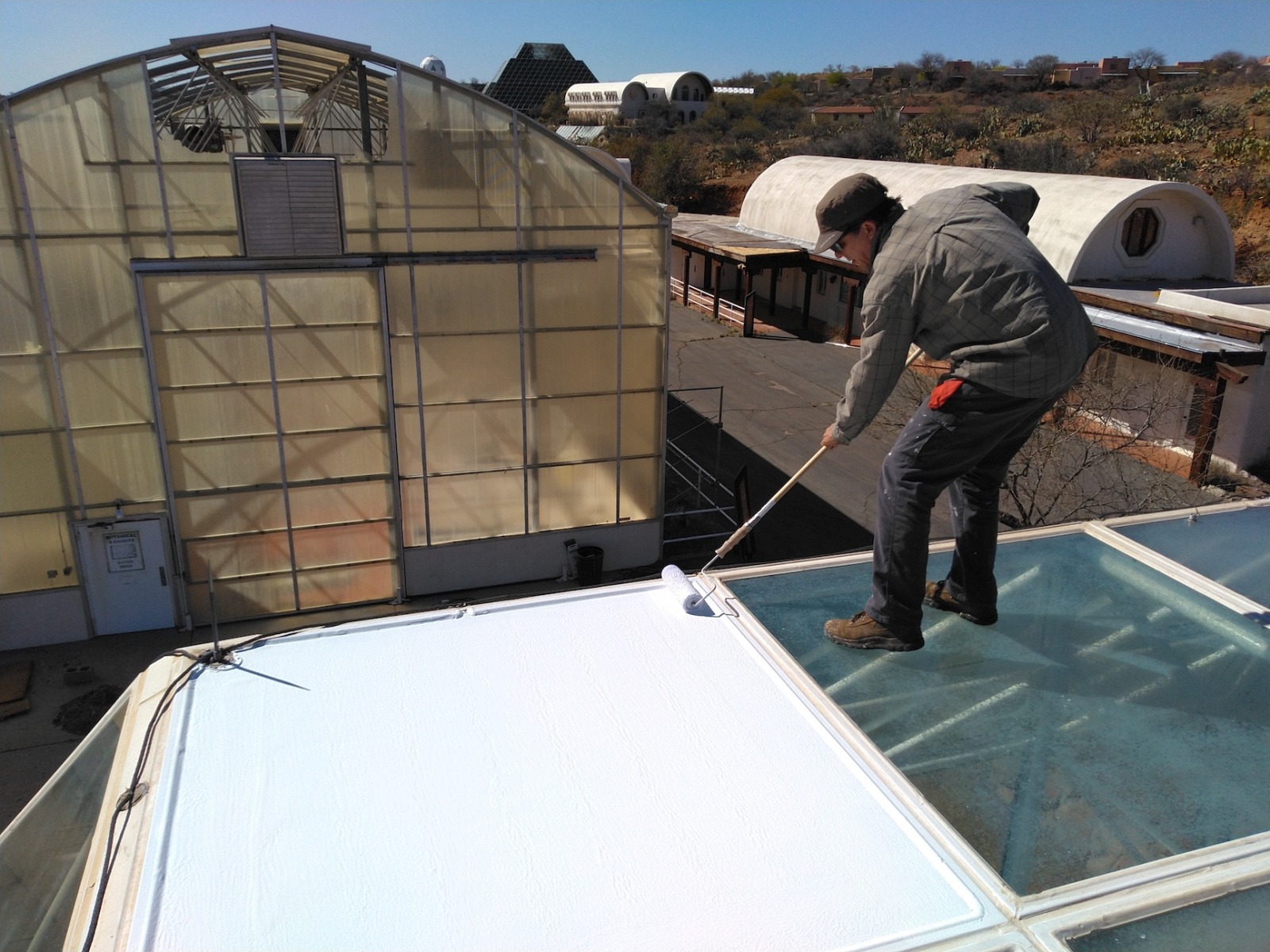
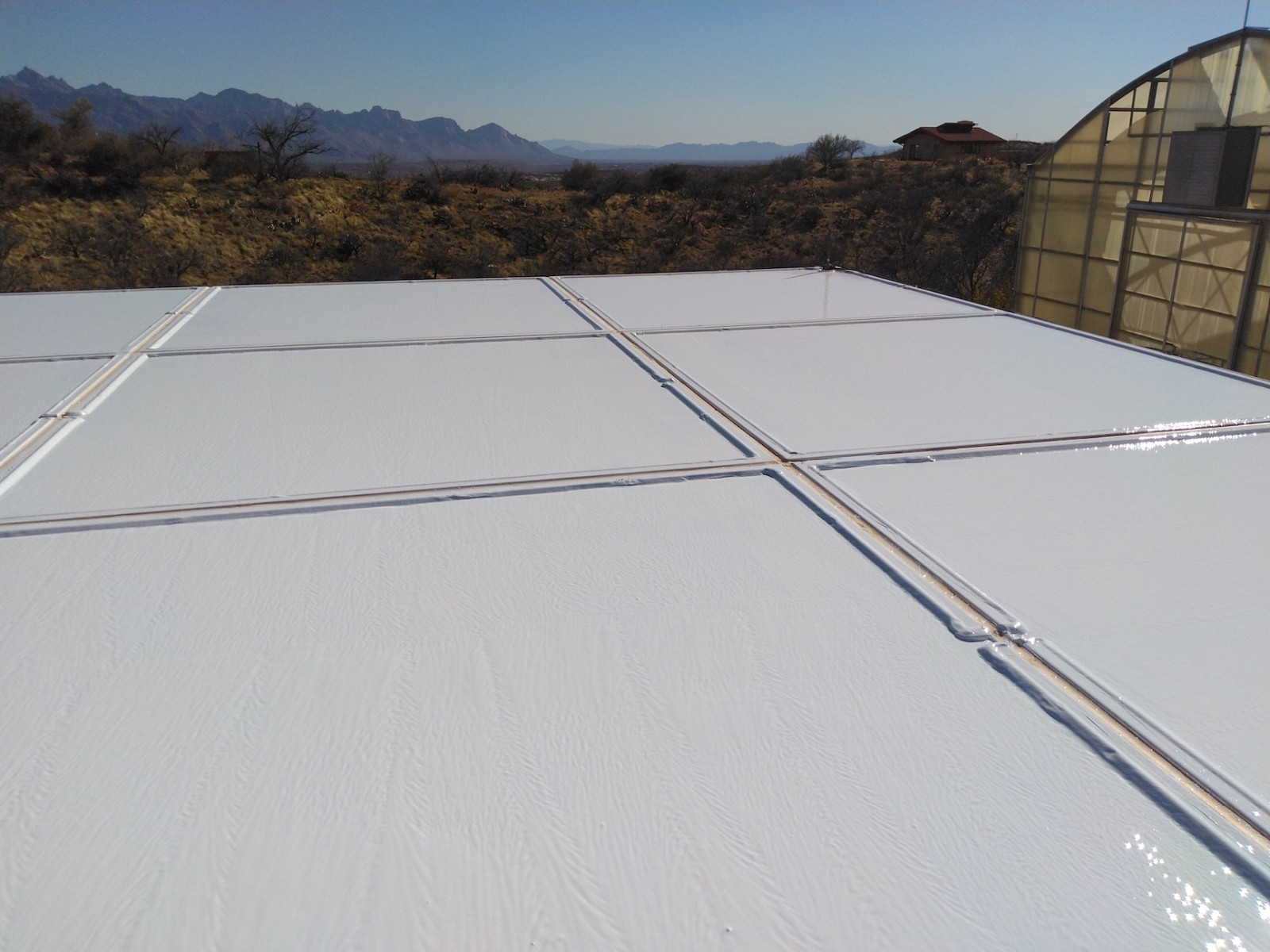
So knowing that you would not actually build a greenhouse on Mars with exposed
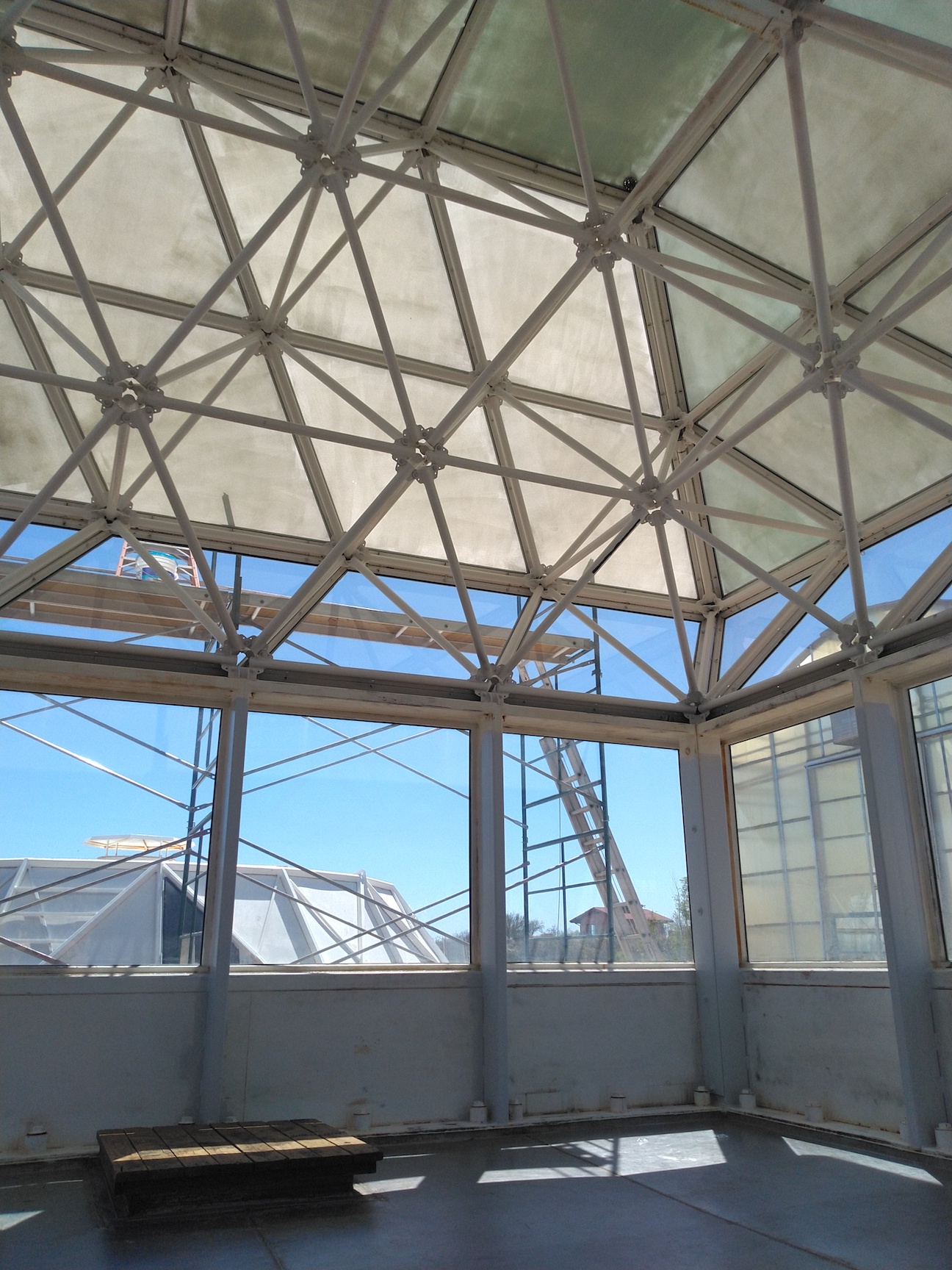
windows due to the radiation, we have covered all upward facing glass with an
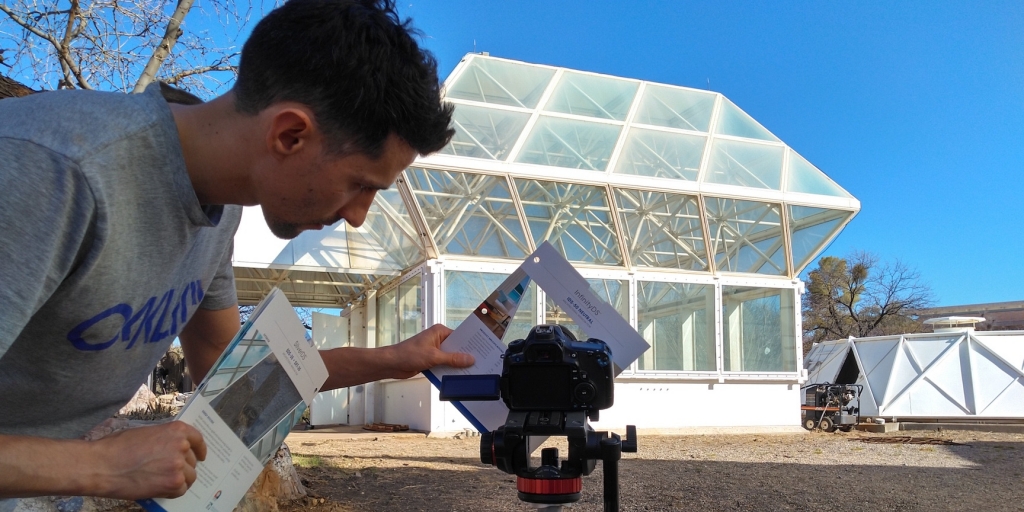
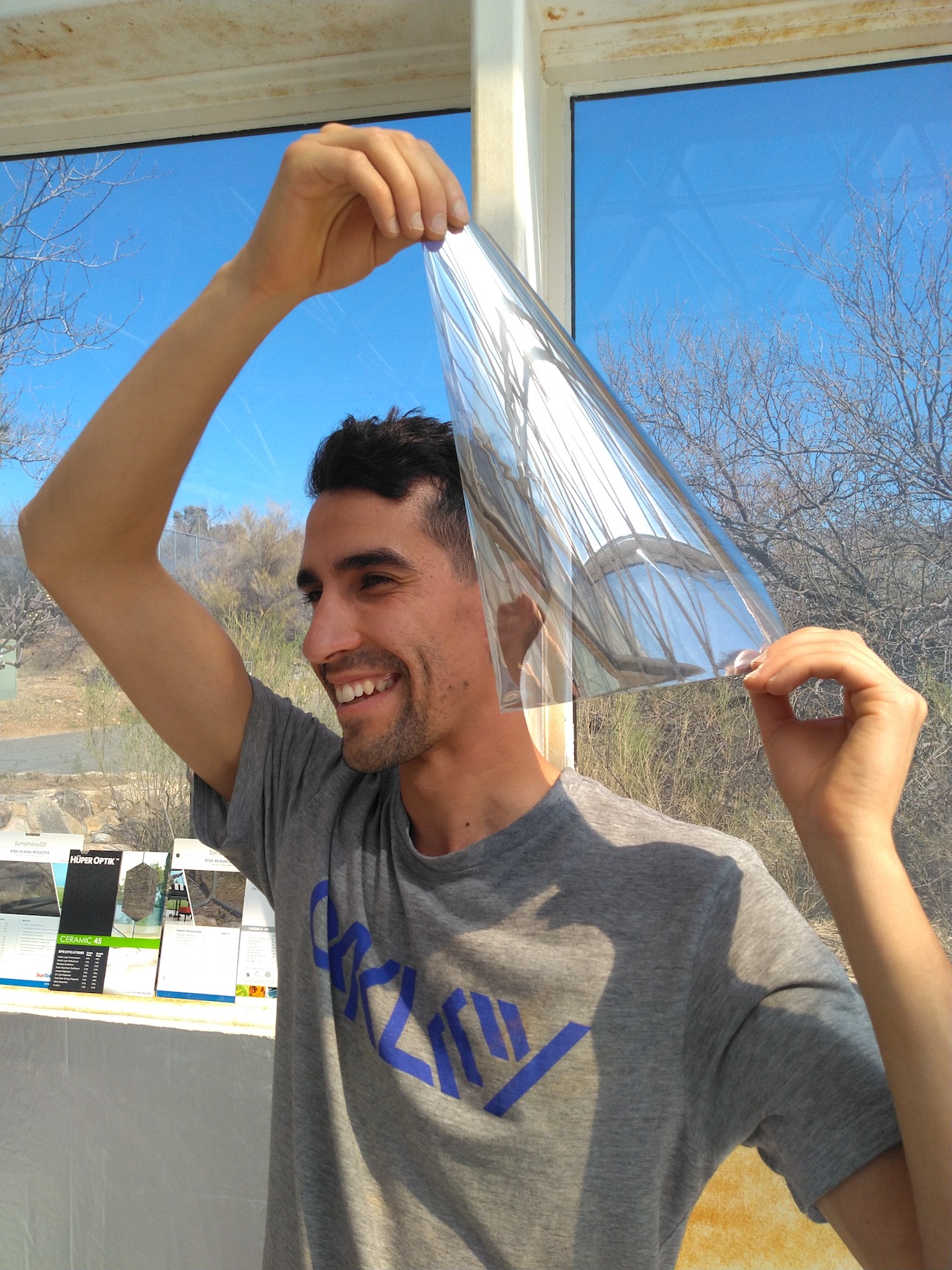
elastomeric to reduce the light and the thermal gain. We’ve also applied window tint that
is specifically [selected] to reduce the ambient light for those windows that are strictly
horizontal with a view through the thickness of the atmosphere by 50 percent of the
ambient light that is otherwise present in Arizona. So when you are inside, you do notice
a distinct difference. That also means that our plants will not receive ample light, which
means we will introduce synthetic lighting.We’ve also had the great pleasure of working with Dr. Cameron Smith and Pacific
Spaceflight. I’ve been a member of that team for five or six years now, and Trent for the
same. And for those of you at Lunares you’re going to love your suits! I’ve seen your
suits and they are being shipped off soon—they’re beautiful. We have two suits coming
to our facility as well.This is John Adams, the Deputy Director of Biosphere 2. He conducted our first
pressure suit test a number of weeks ago … he found this to be a really good
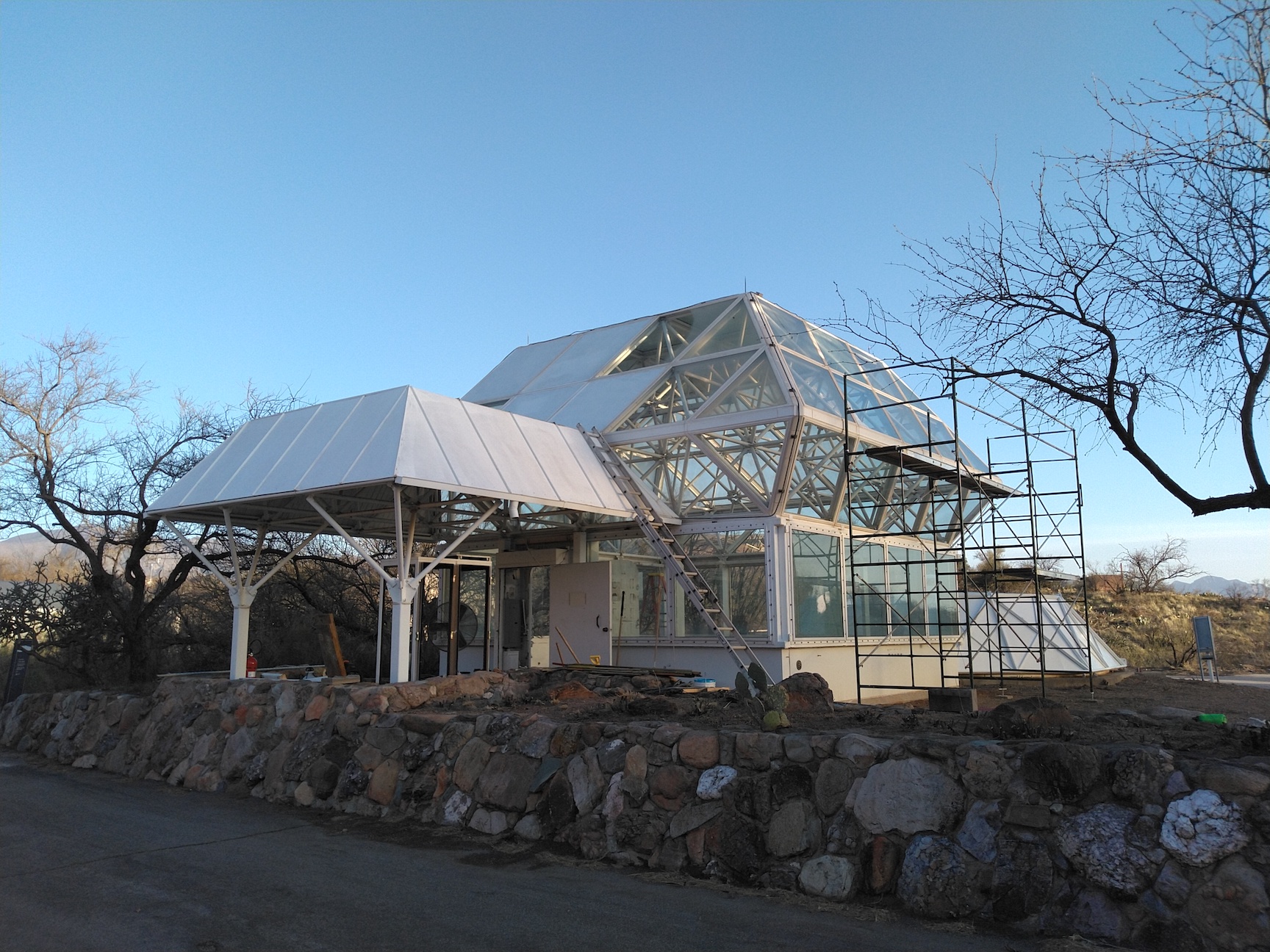
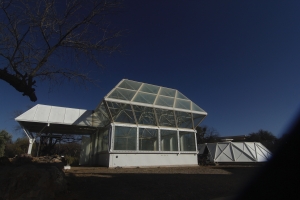
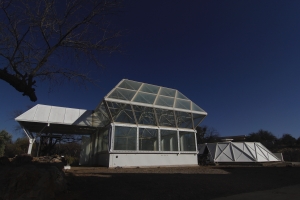
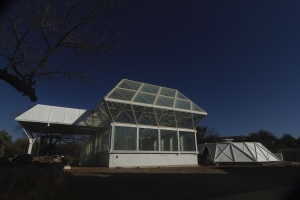
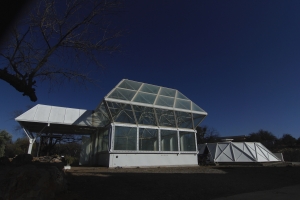
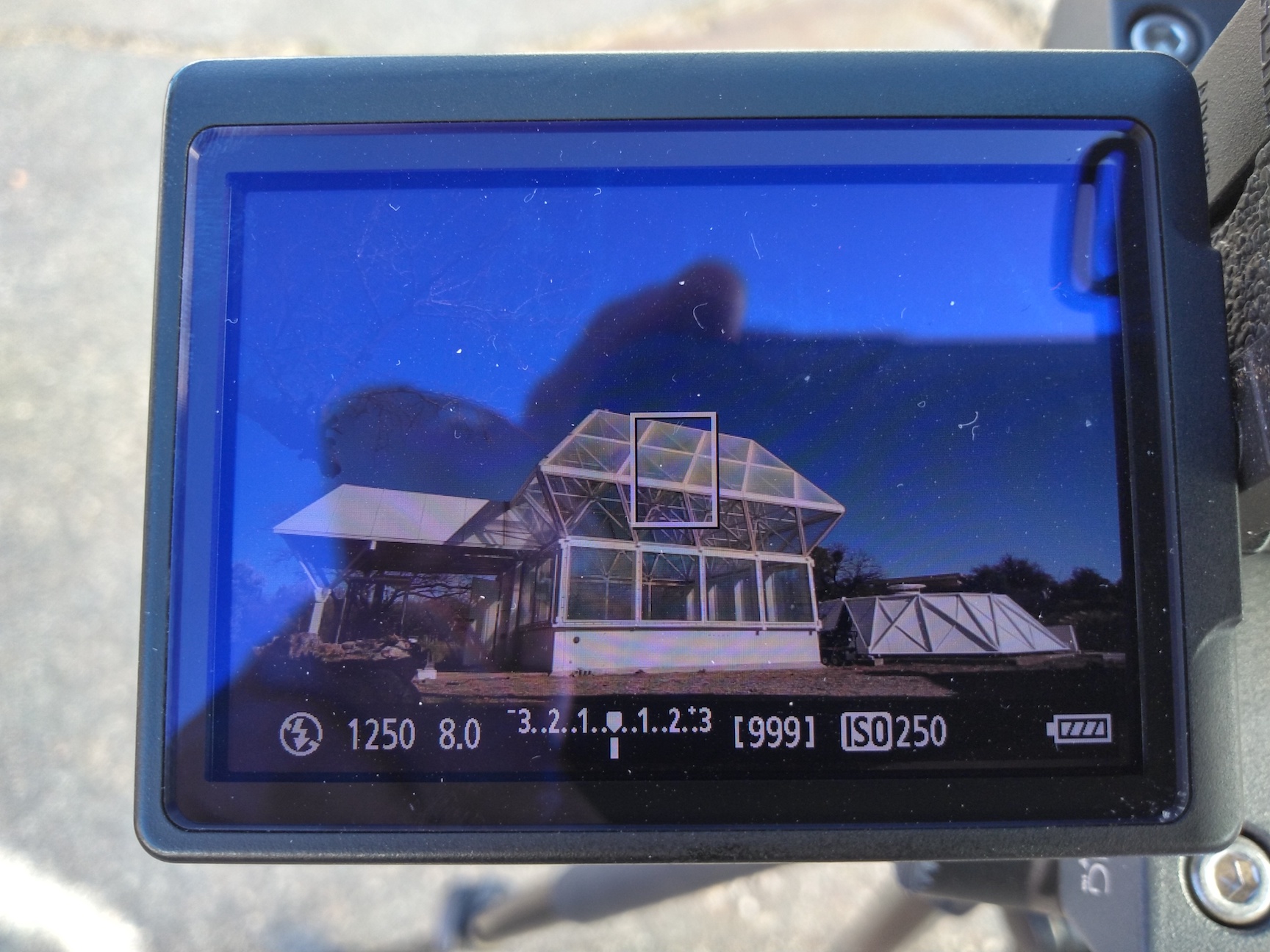
experience.This is our facility as of two days ago. You can see it’s coming along nicely. And this is
an artist’s rendering by Bryan Versteeg … of what our living quarters will look like when
finished, with three shipping containers [at the edge] of our Mars yard. This is a
rendering of the inside of the living quarters … more densely packed with two air locks,
one to the outside world and one to the greenhouse in order to maintain pressure
differentials, and [unique] humidity, CO2 and temperature levels. [We will be] pumping
CO2 from the crew quarters into the greenhouse and using an oxygen concentrator in
the greenhouse to put oxygen back into the living quarters.Paragon [Space Development Corporation] has already delivered to us a full CO2
scrubber … that is operational as of the end of next week. Hopefully we’ll be doing our
first pressure test with CO2 scrubbing by the end of May.This is a facility right next door, 6400 square feet of space that we’re rebuilding as a
Mars yard. We’re working with NASA and Arizona State University’s JMARS team to
select a potential human landing site on Mars, then scaling that crater down … we will
include a lava tube … and also a gravity off-set rig being designed by one of
Hollywood’s top stuntmen in order that we can enable people to experience whatever
gravitational field [they desire] everything from one-third to one-half to zero G if they just
want to fly around Mars. We are also embedding gas [delivery] pipes into the crater
[features] so that we can distribute various gases, trace gases, and water vapor for
autonomous rovers to discover.I want to say thank you to the Biosphere 2, National Geographic, Paragon, U of A
CEAC, NASA, and everyone here for all the support and financing to make this
possible.