
Research Teams

Crew Inclusion I enters SAM!
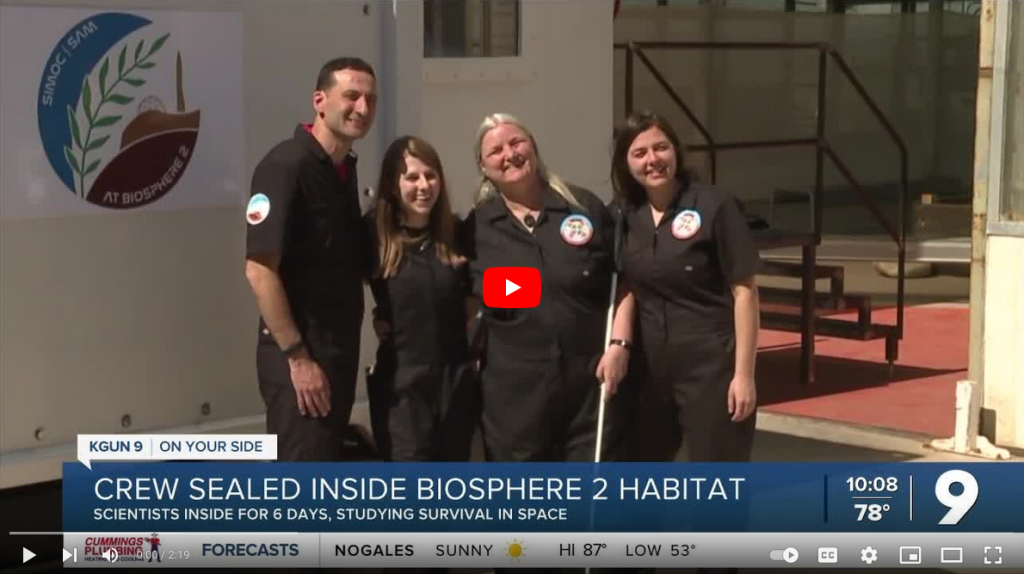
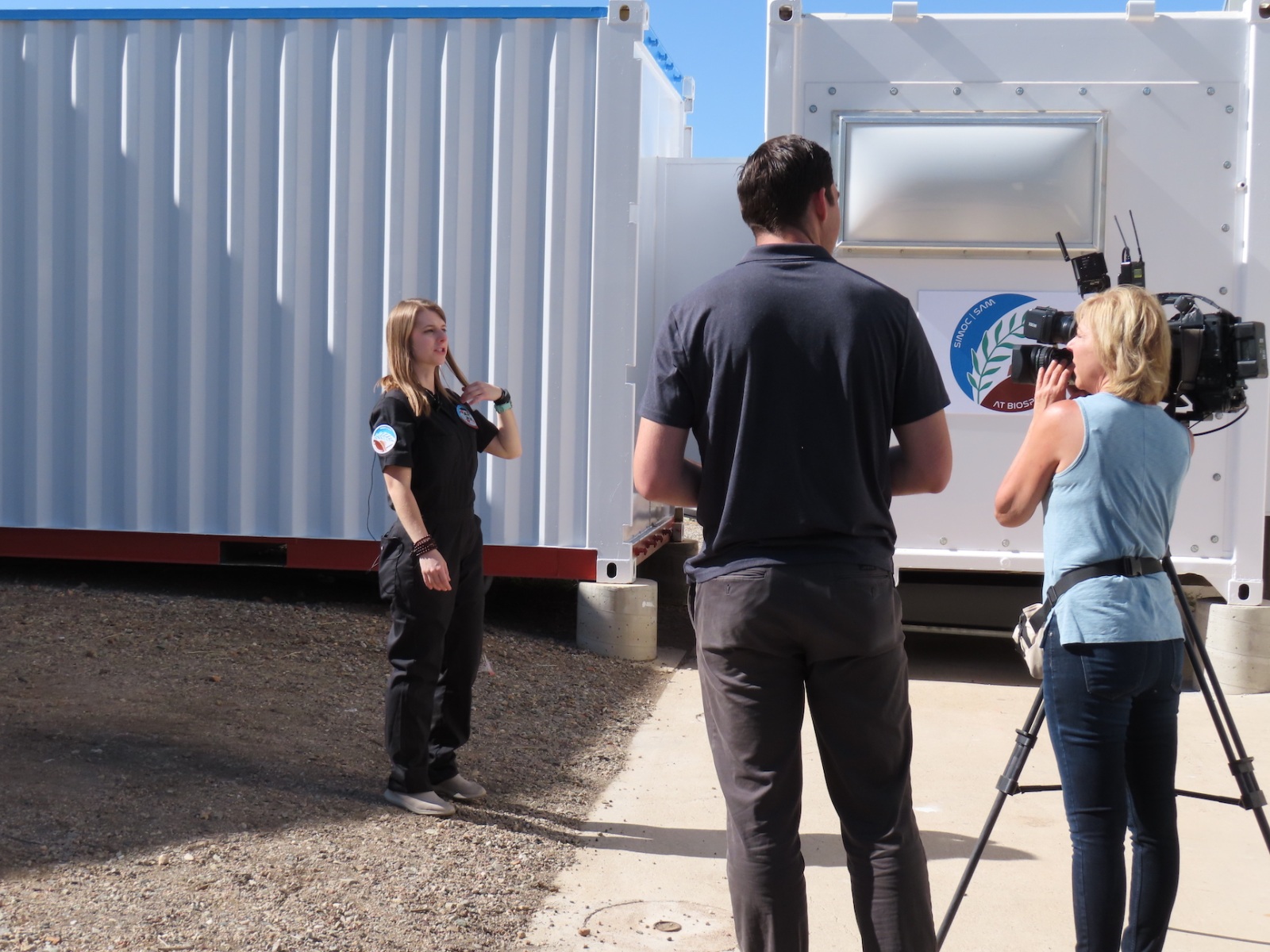
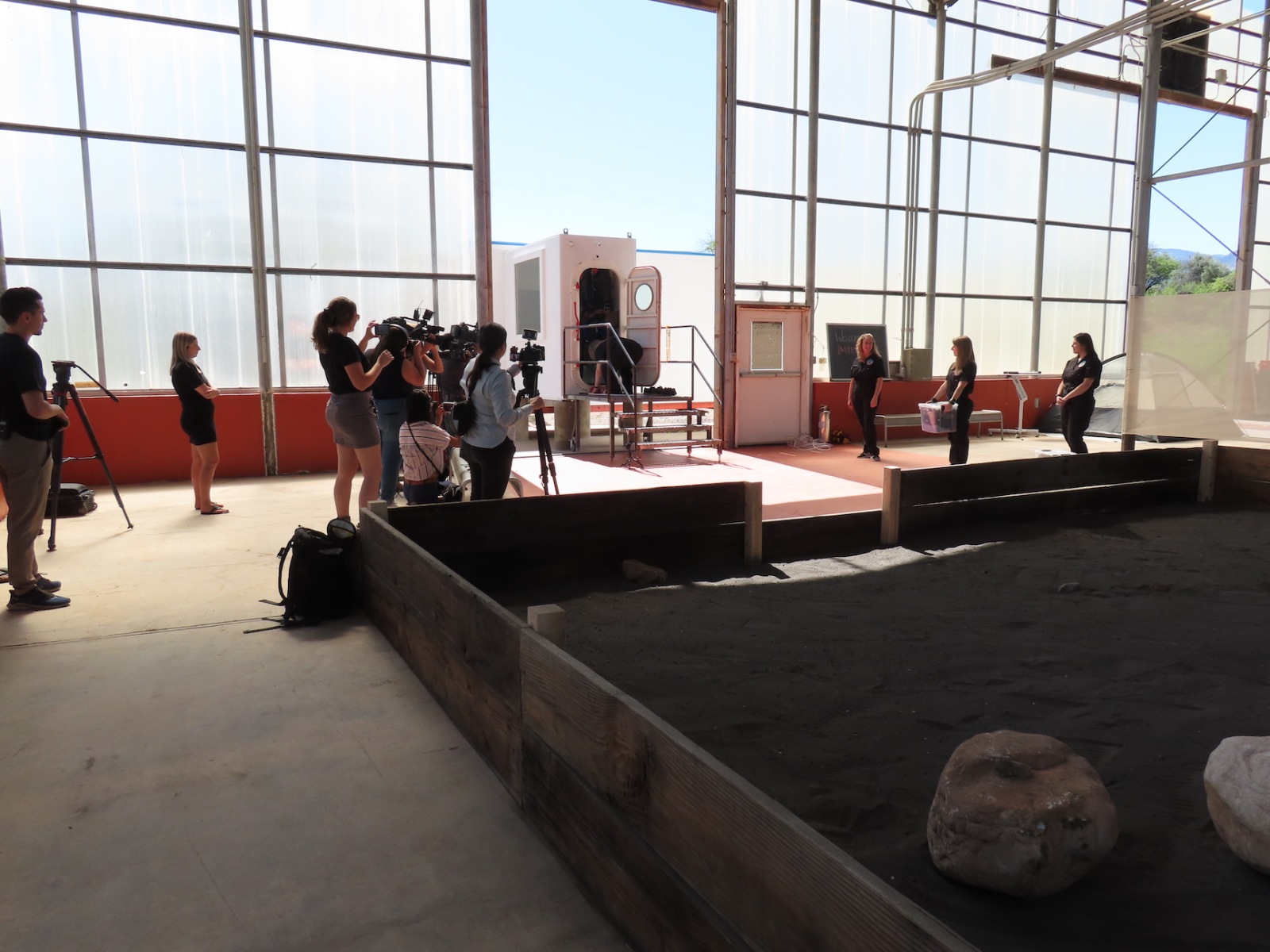
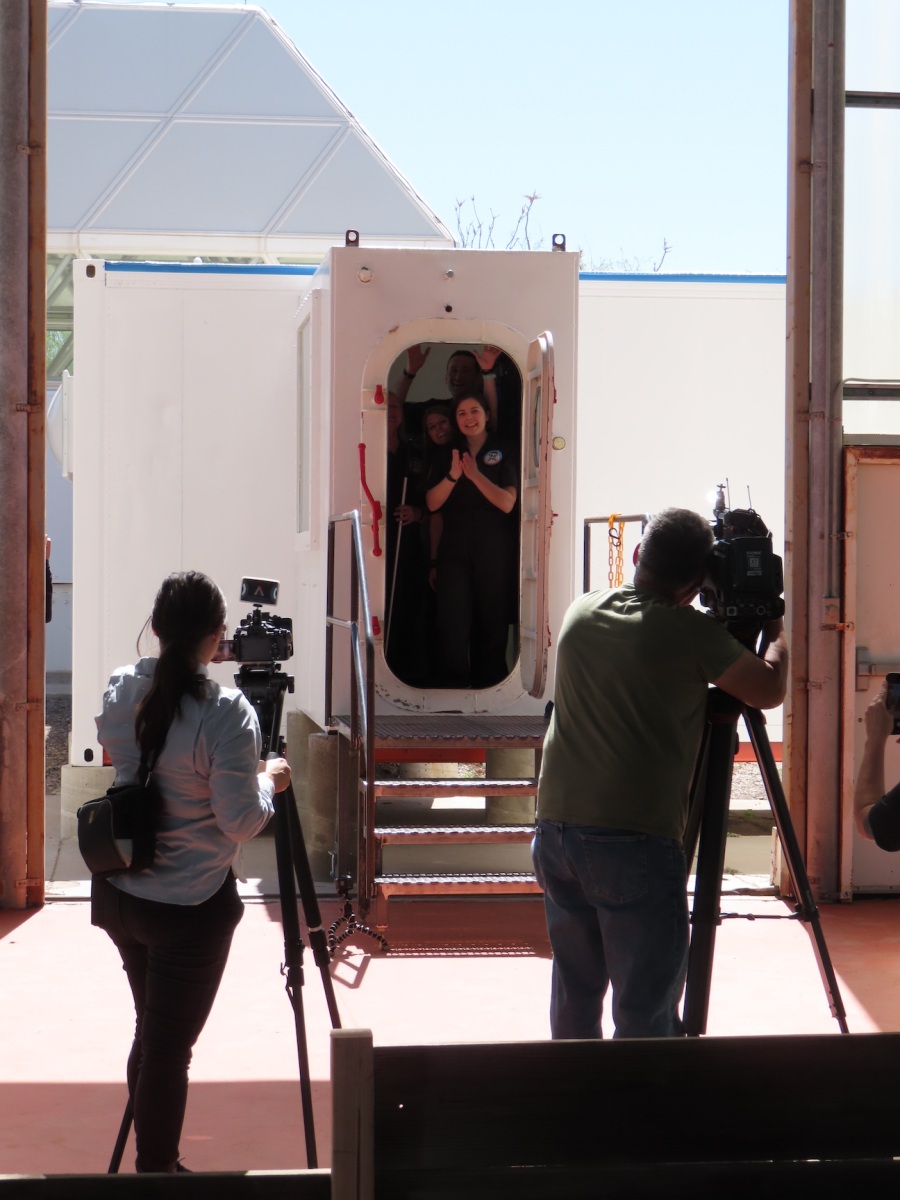
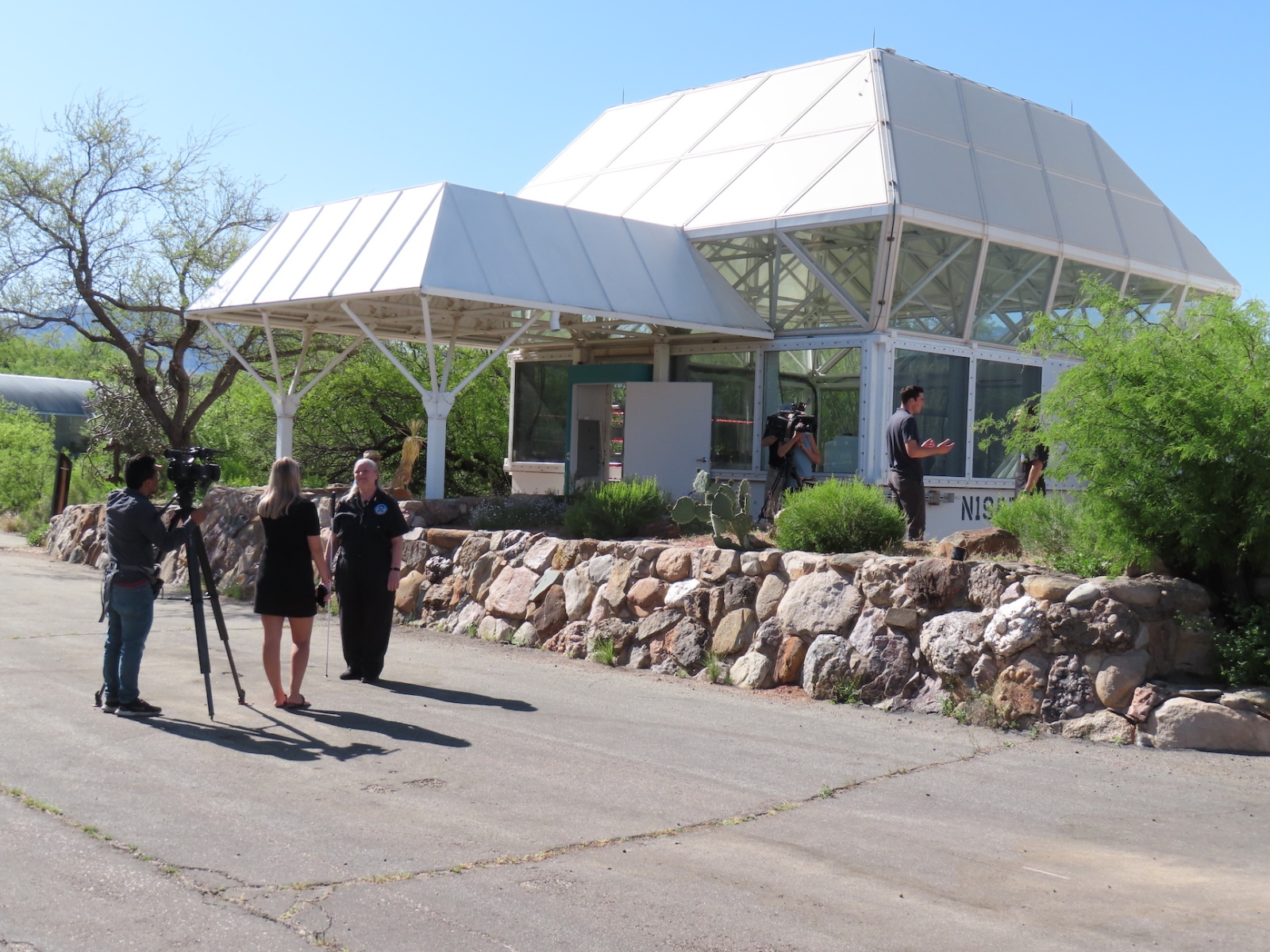
Arizona television station KGUN covers the first team entering SAM at Biosphere 2

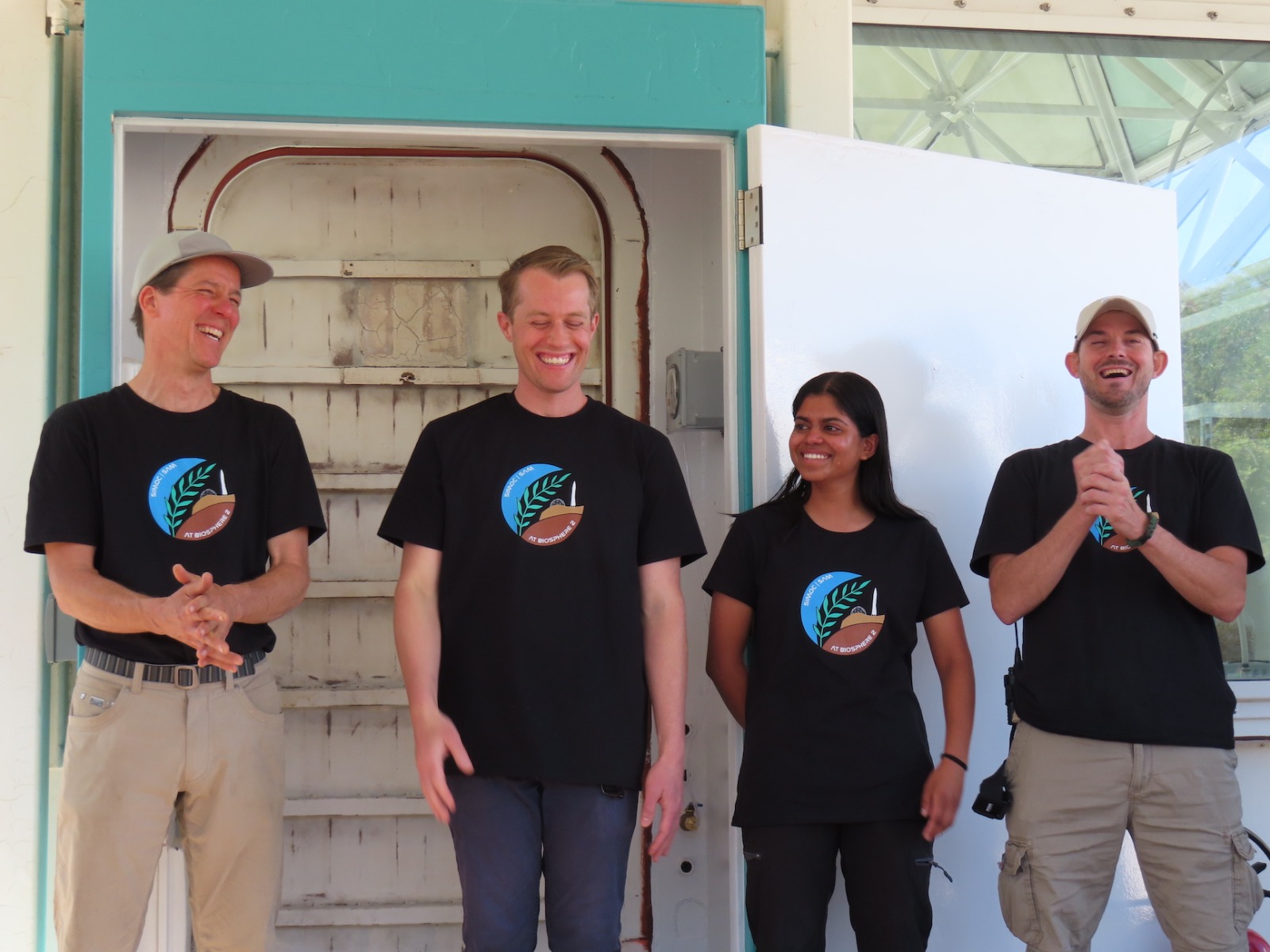
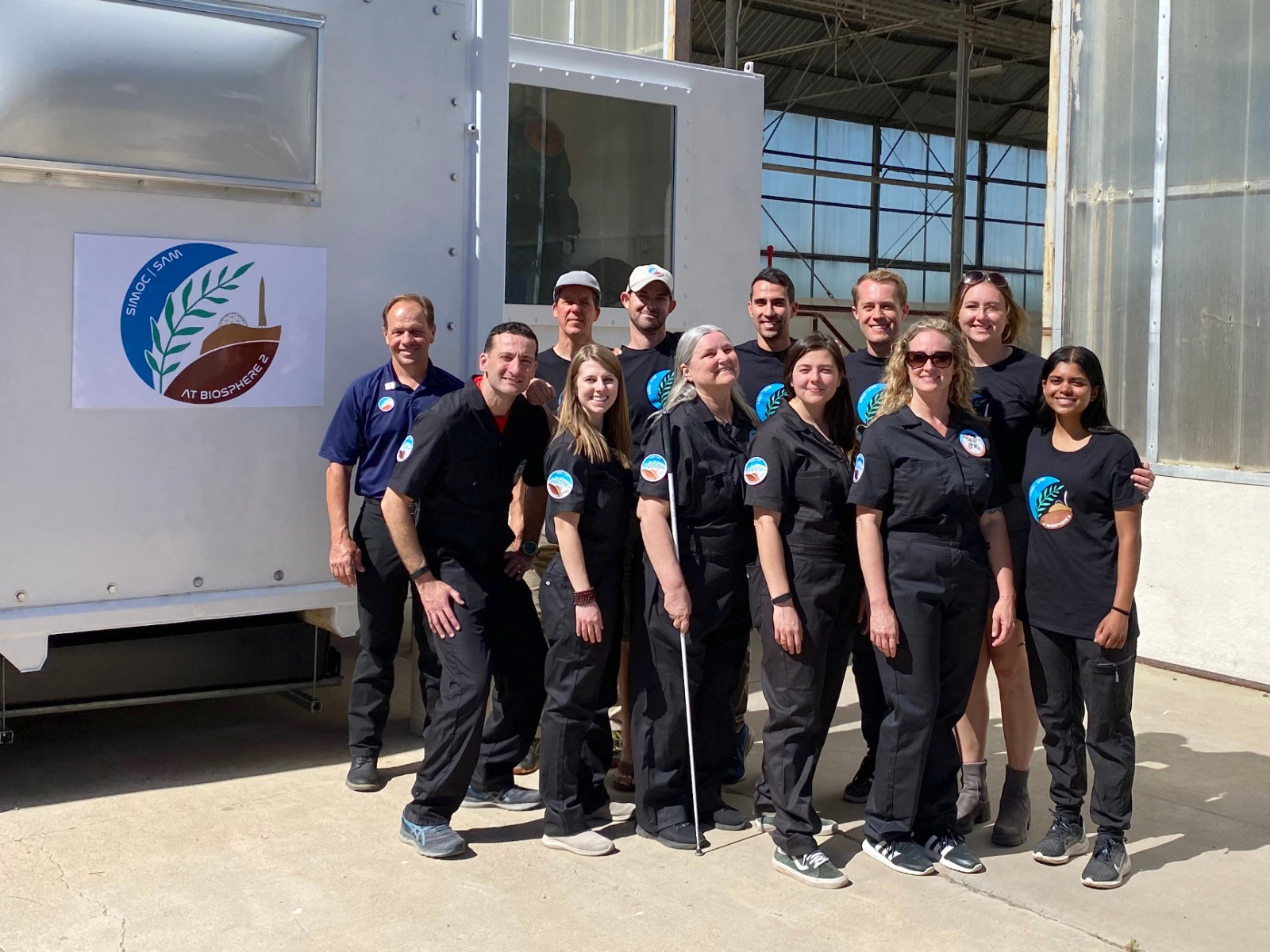
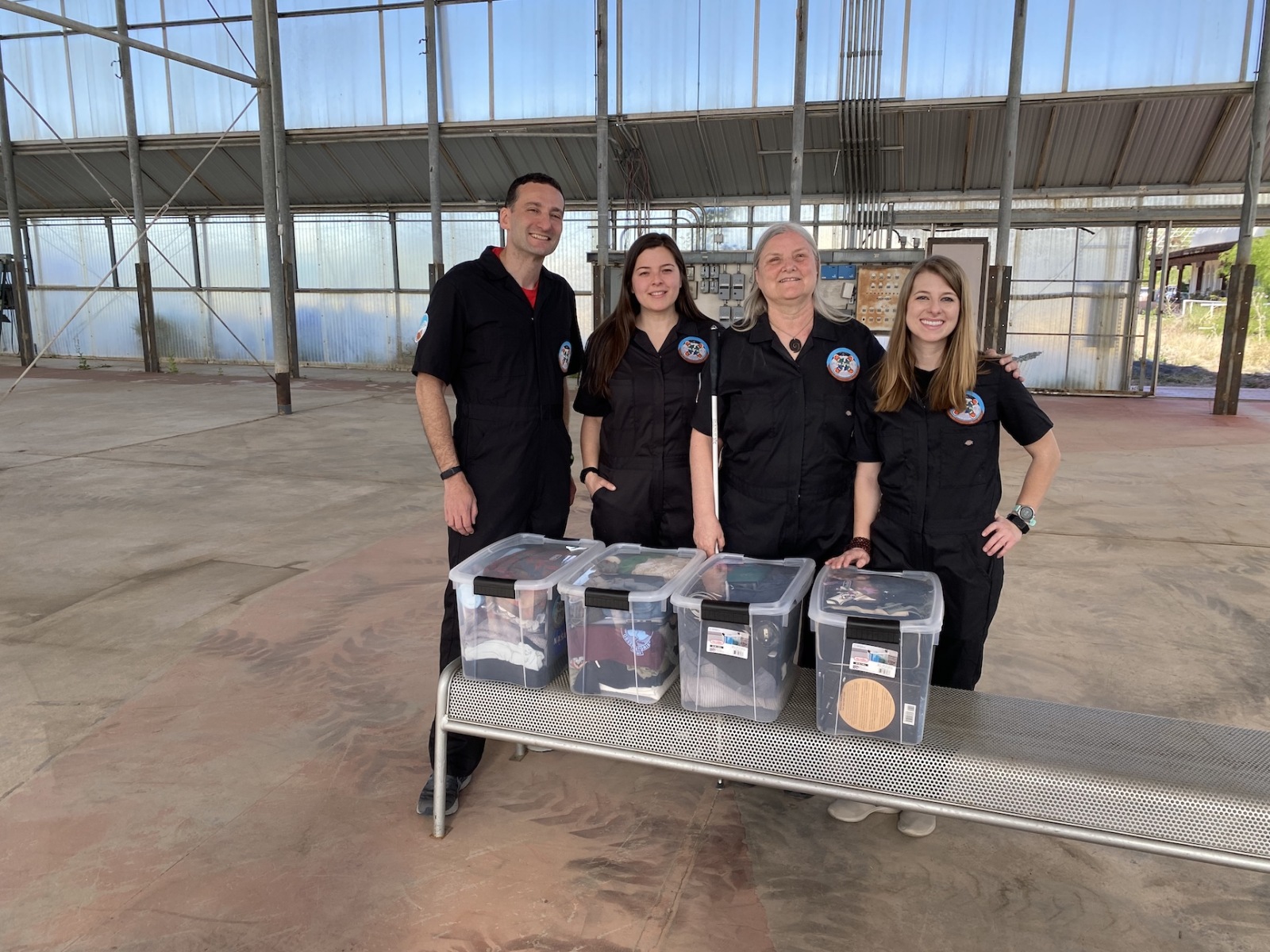
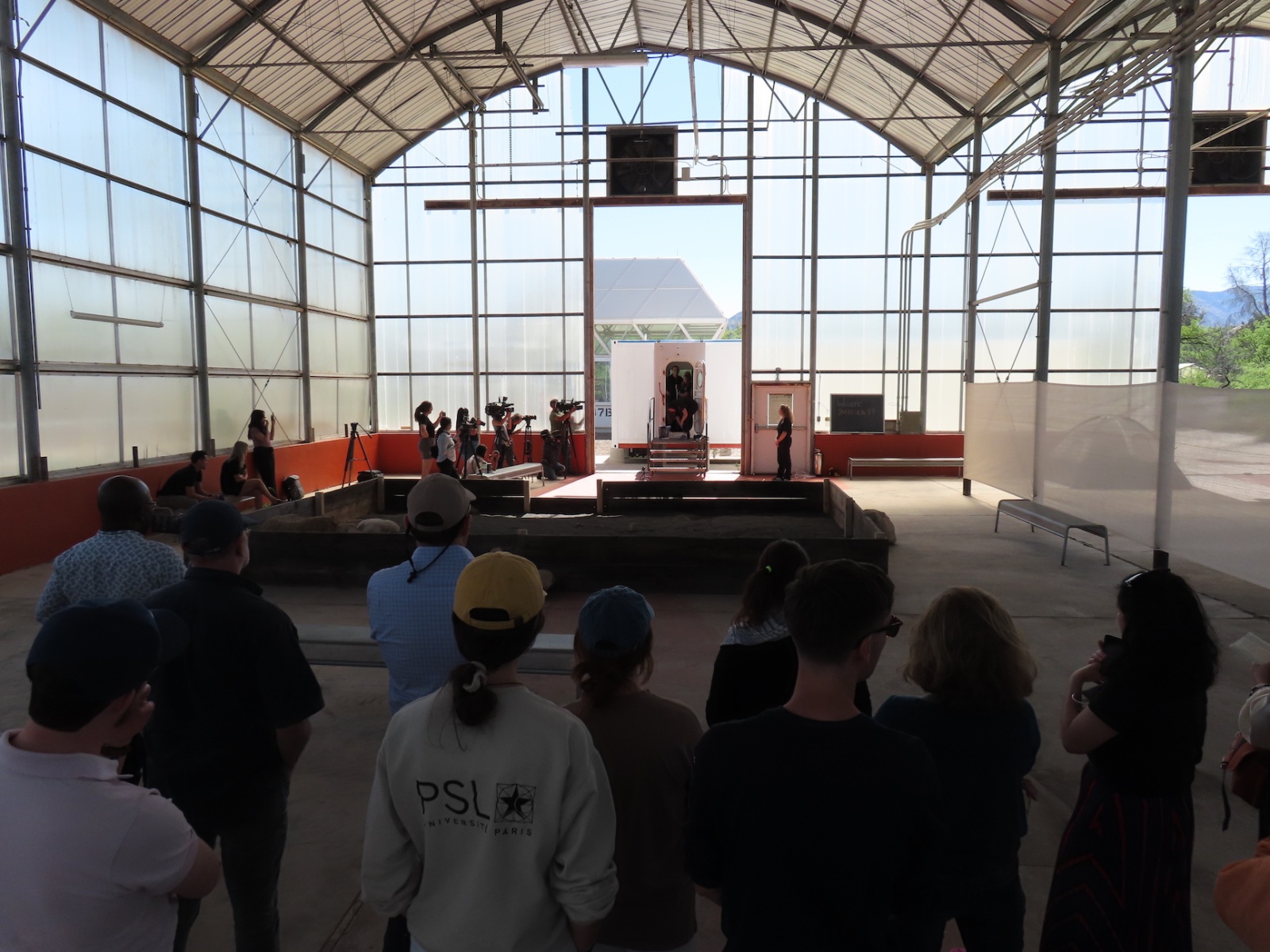
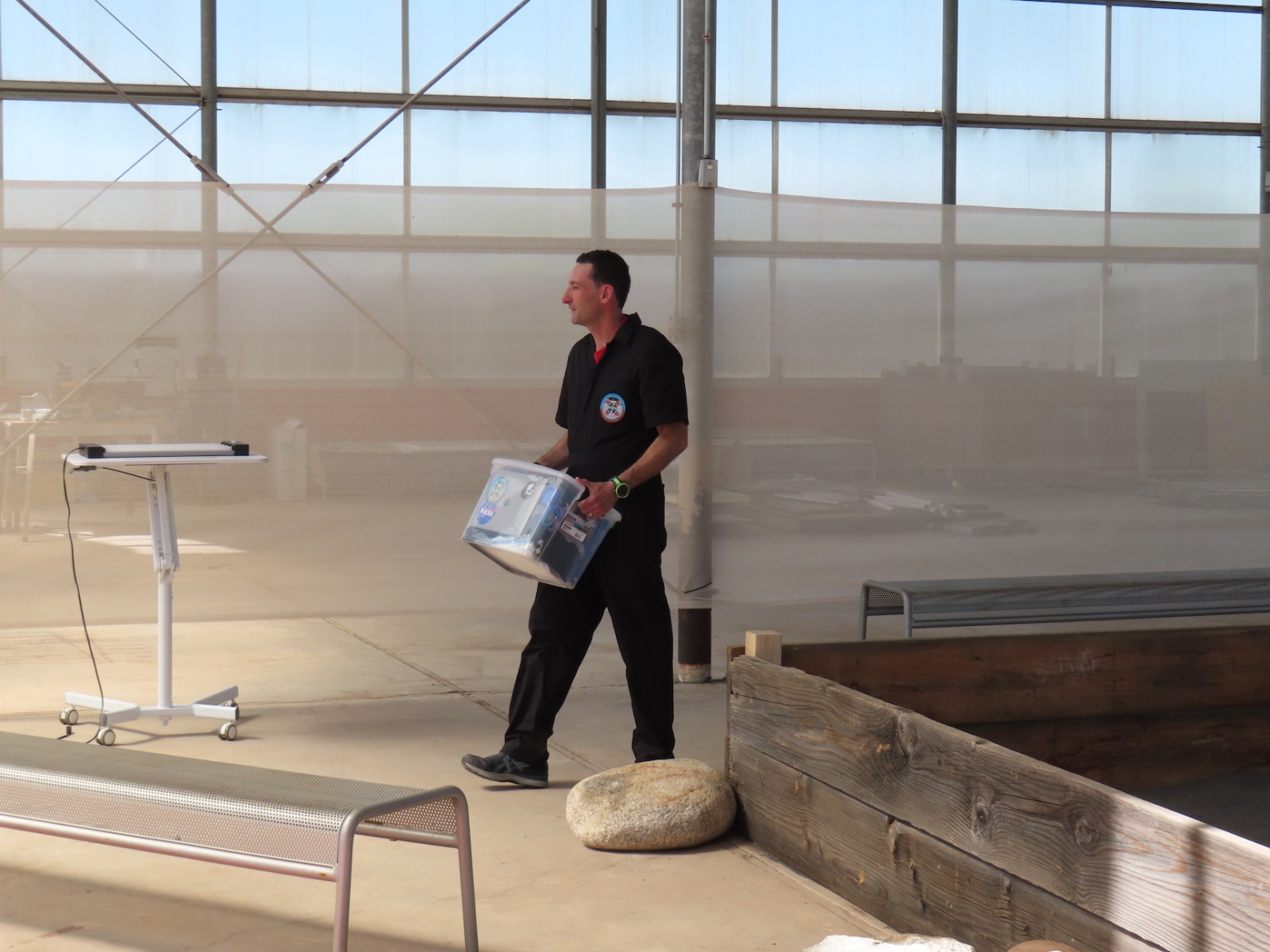
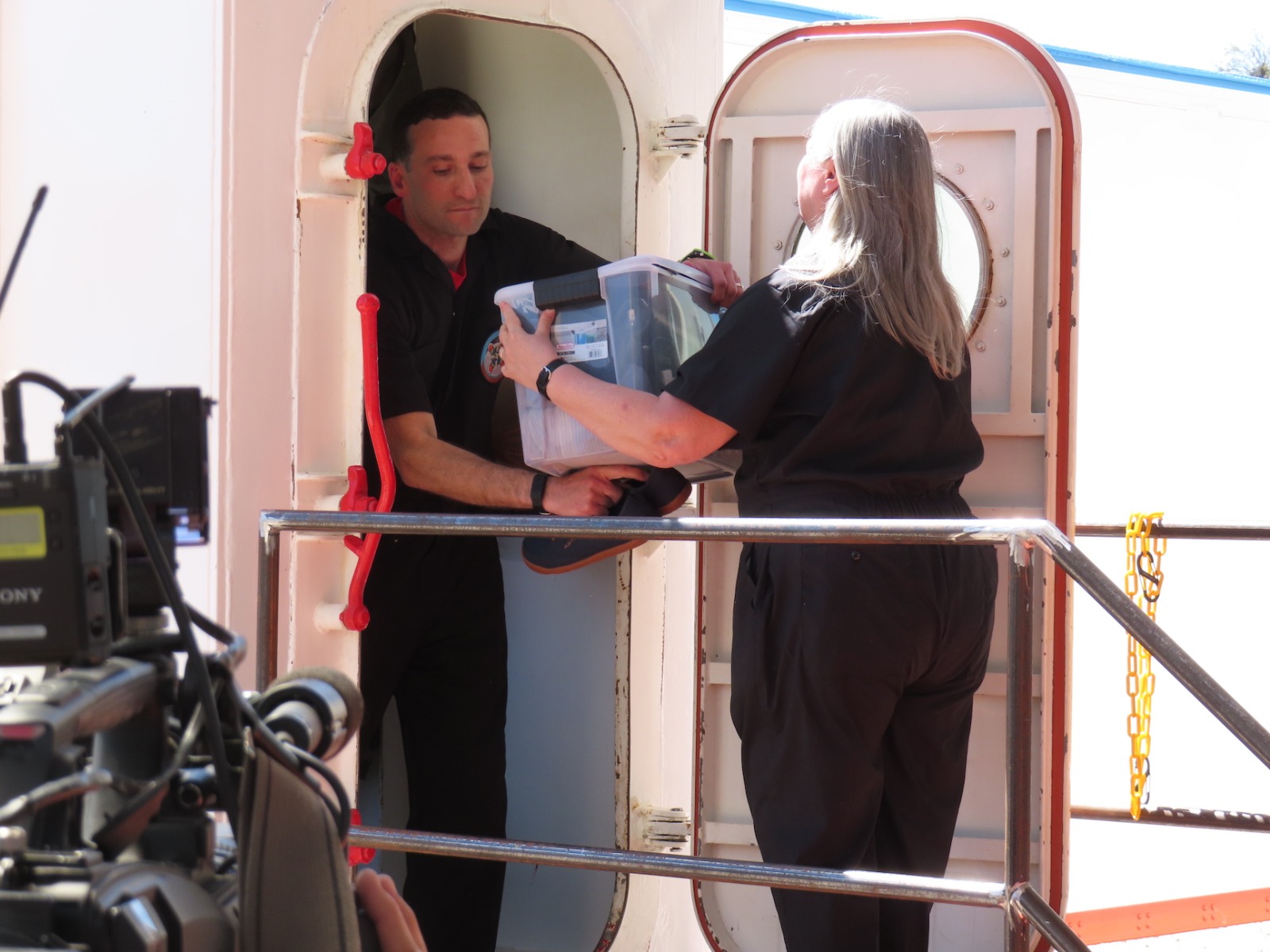
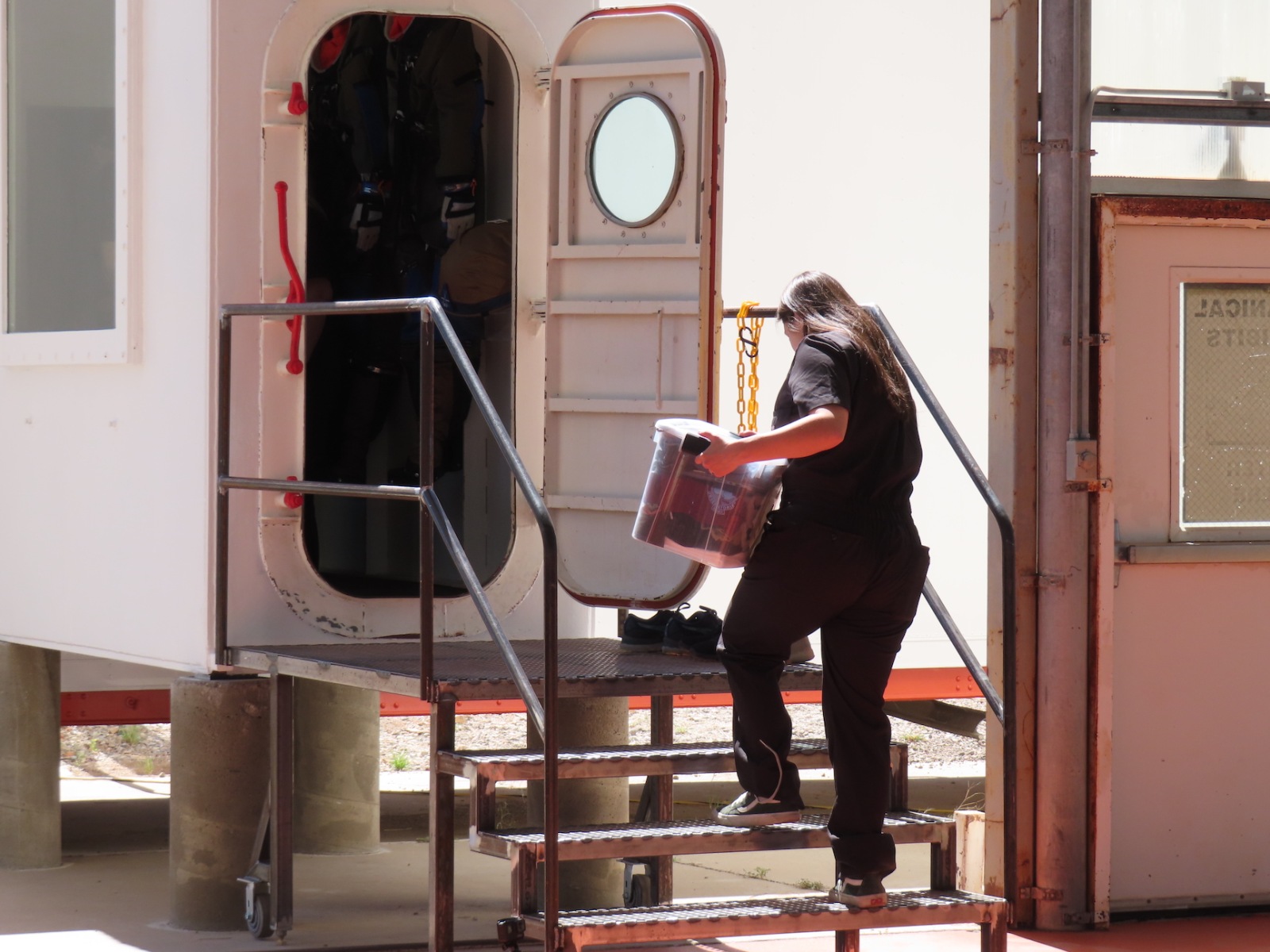
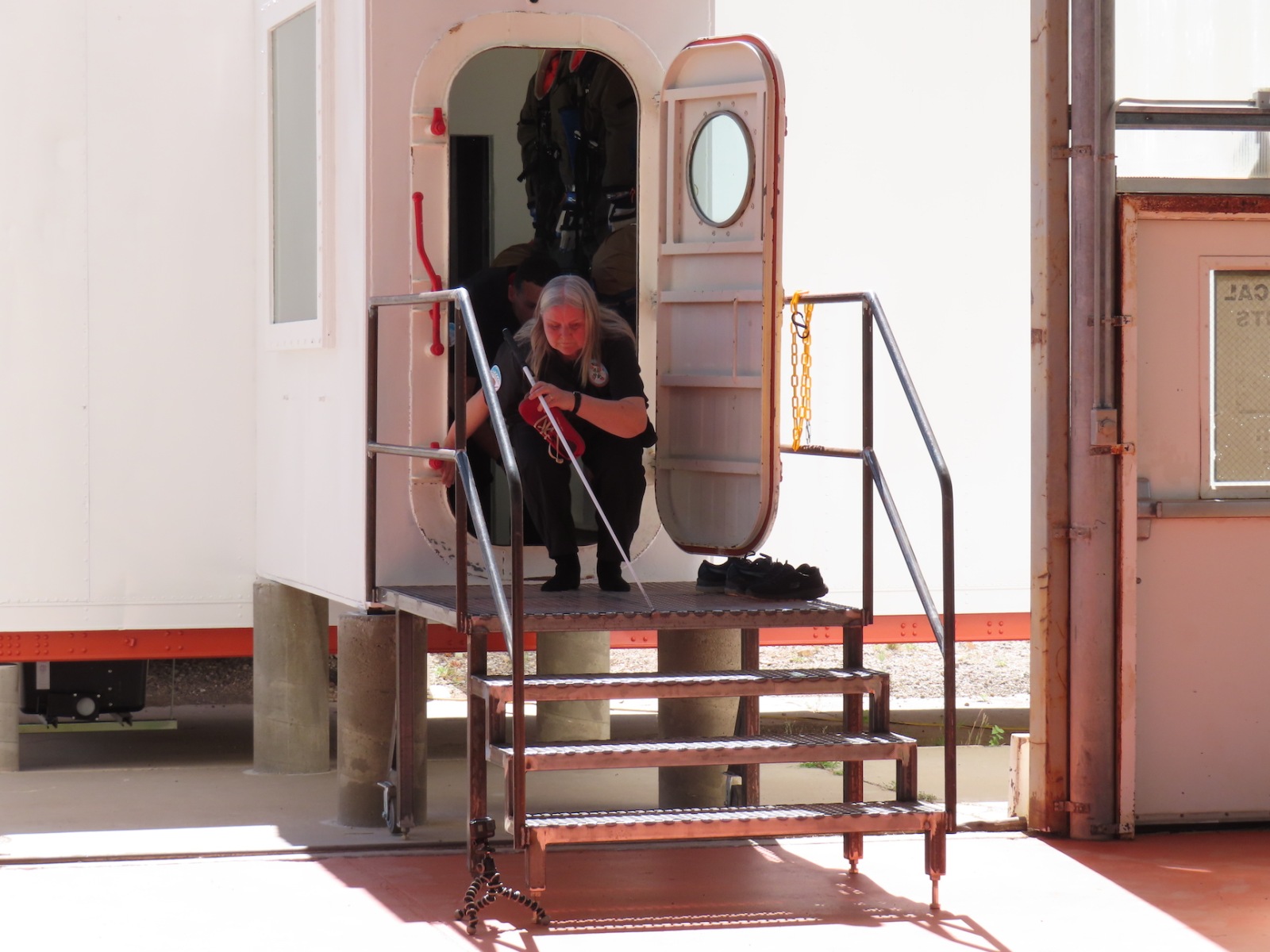
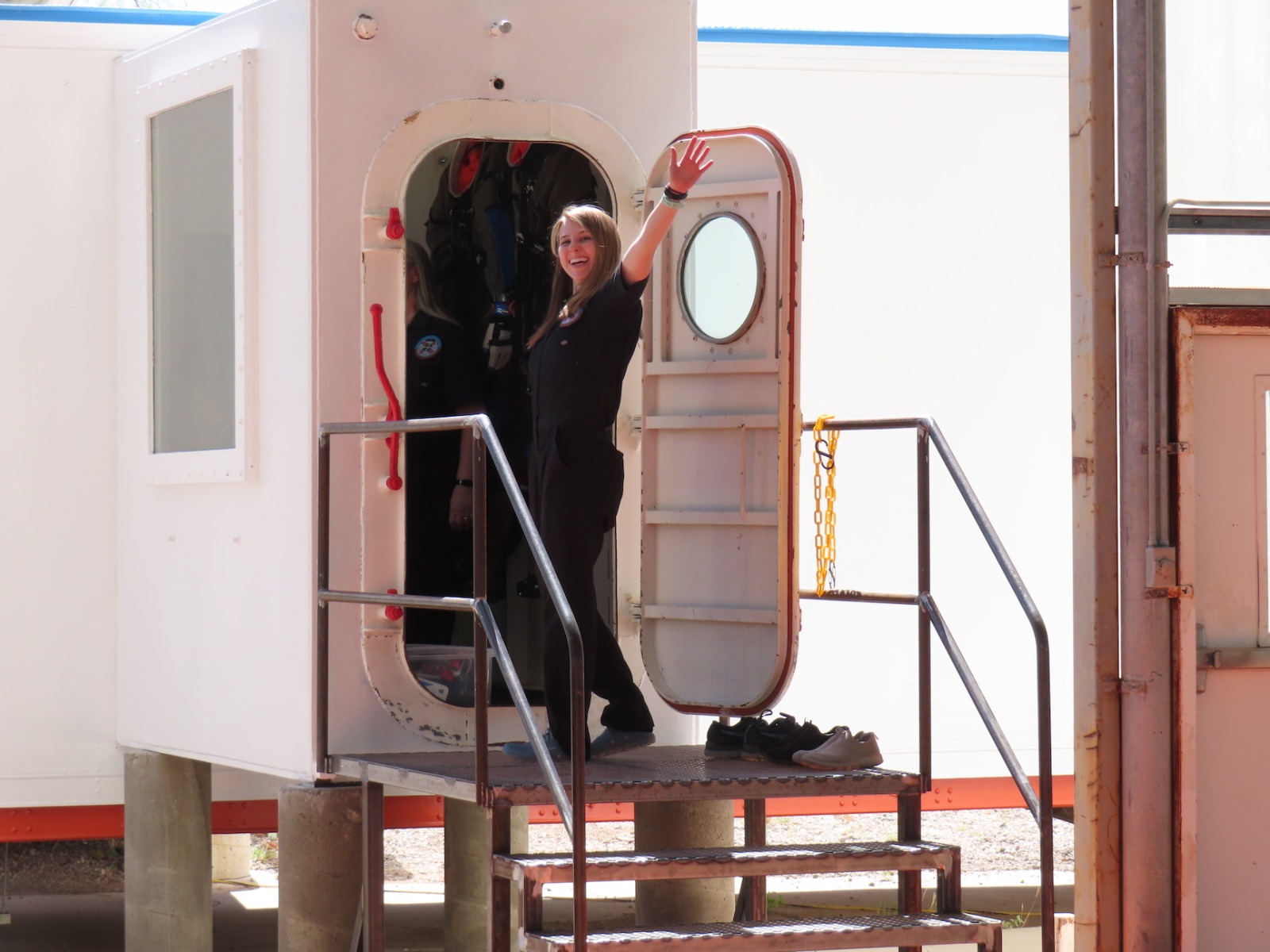
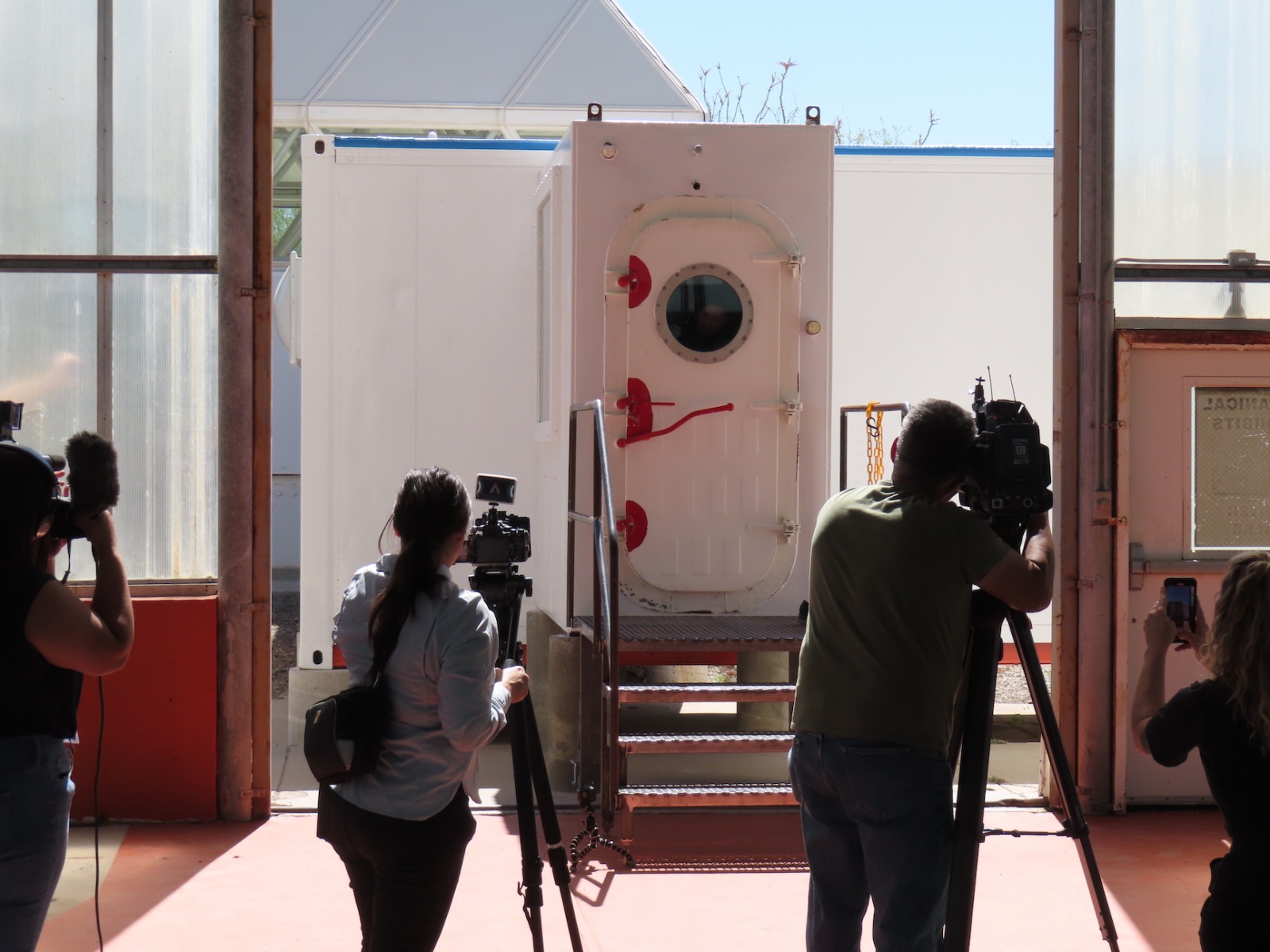
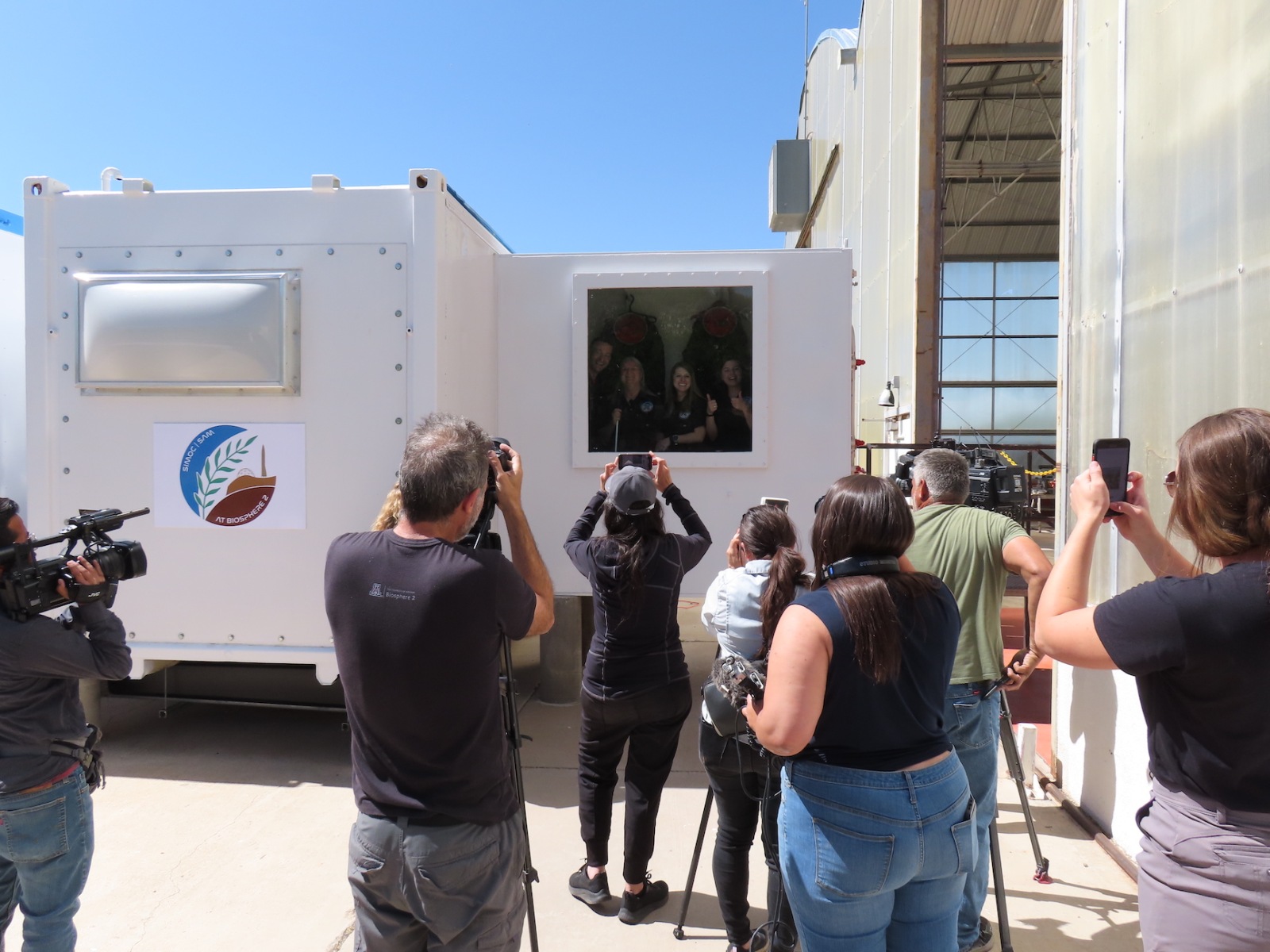
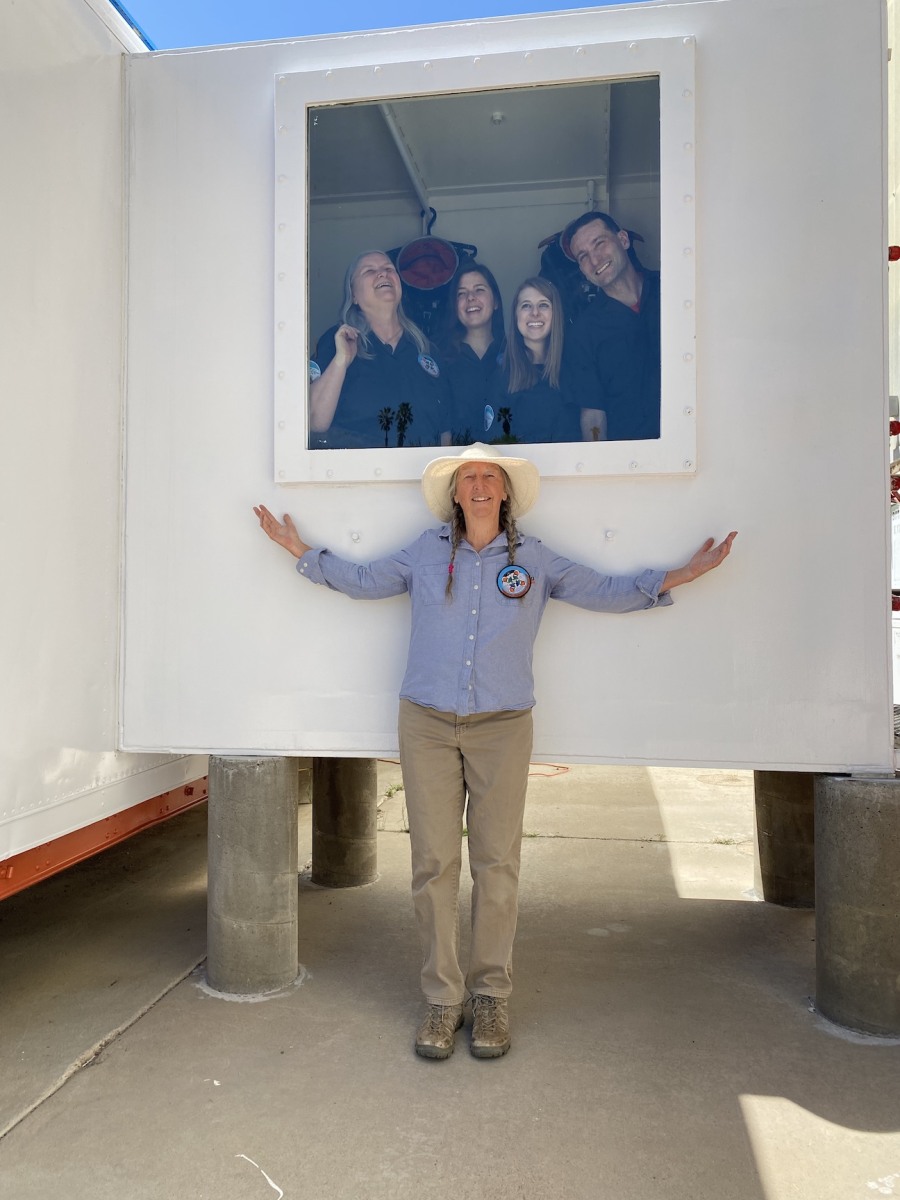
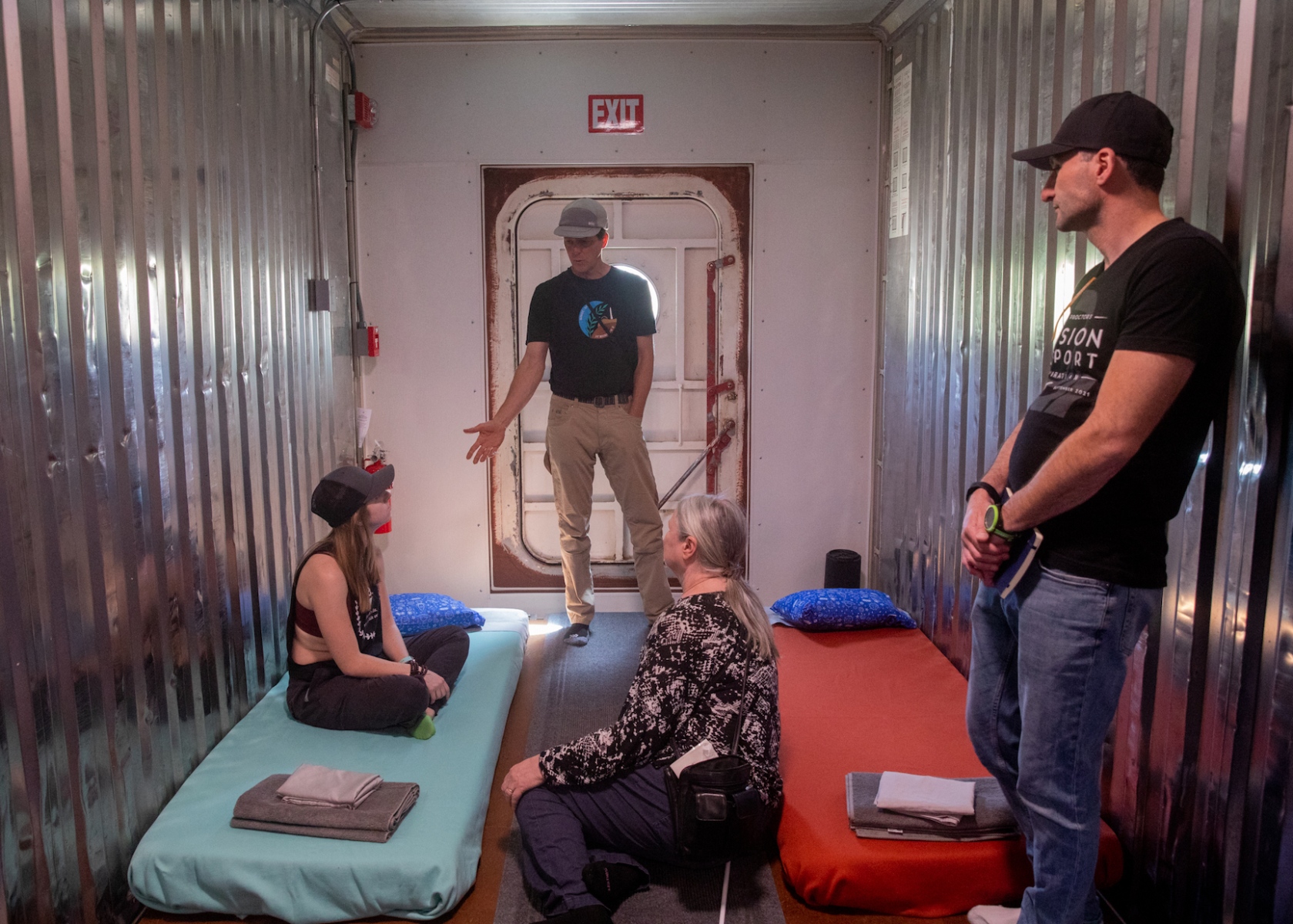
Inclusion I, the very first first crew to enter SAM, the Space Analog for the Moon and Mars, sealed the outer airlock hatch today, April 27, 2023 at 10 AM. Inclusion I was welcomed by three television crews, two radio crews, Dr. Linda Leigh of the original Biosphere 2 mission, Biosphere 2 Executive Director Dr. Joaquin Ruiz and Deputy Director of B2 John Adams, MSc., and more than 60 persons watching the first closure of this unique hermetically sealed, pressurized habitat. Interviews commenced at 5:00 AM and continued until 10:00 AM when one by one, Cassandra Klox, Eiman Jahangir, Bailey Burns, and Sheri Wells-Jensen entered SAM carrying their personal bins. They left their street shoes on the airlock landing and donned hab shoes provided by Astral Designs.

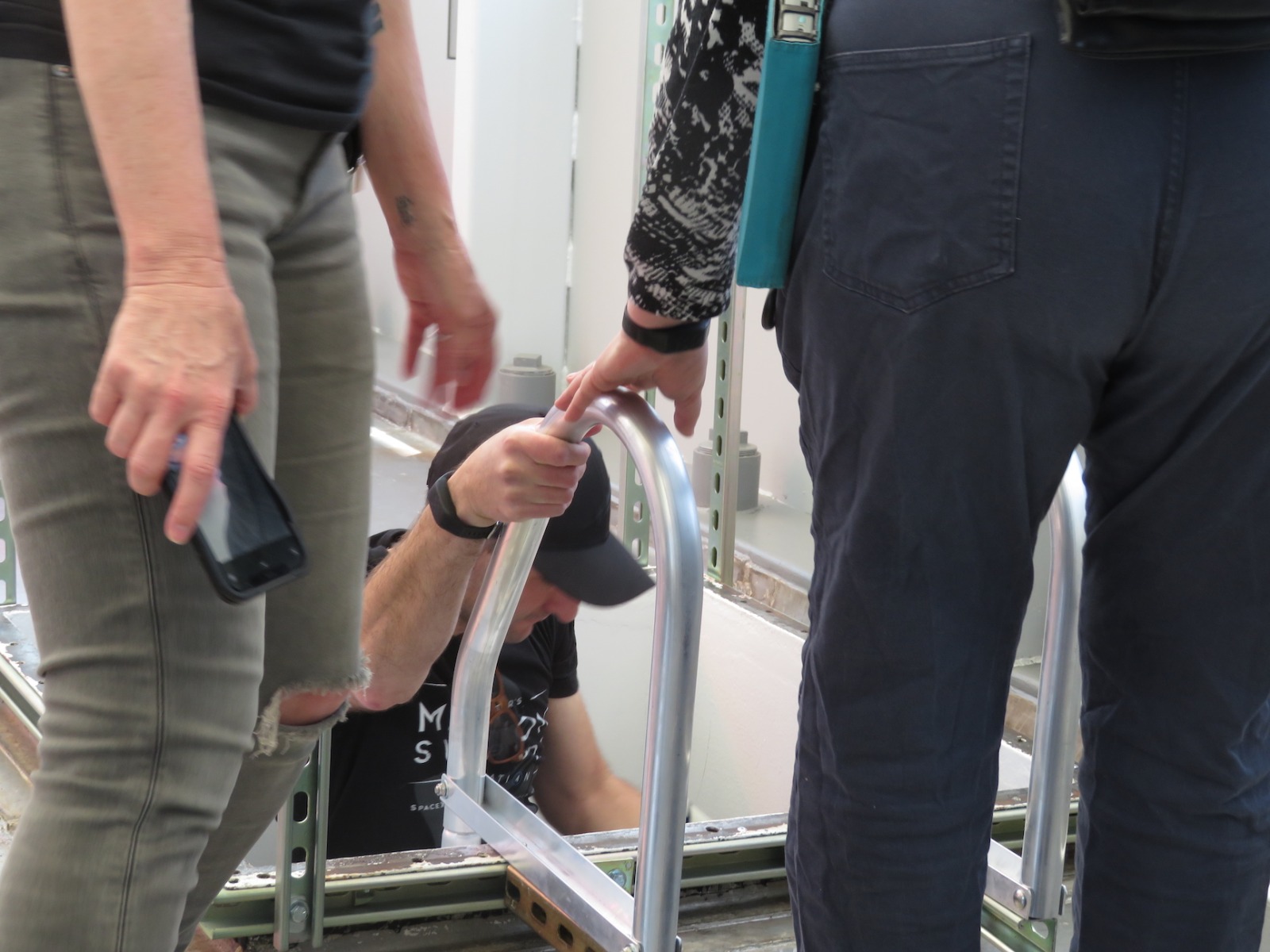
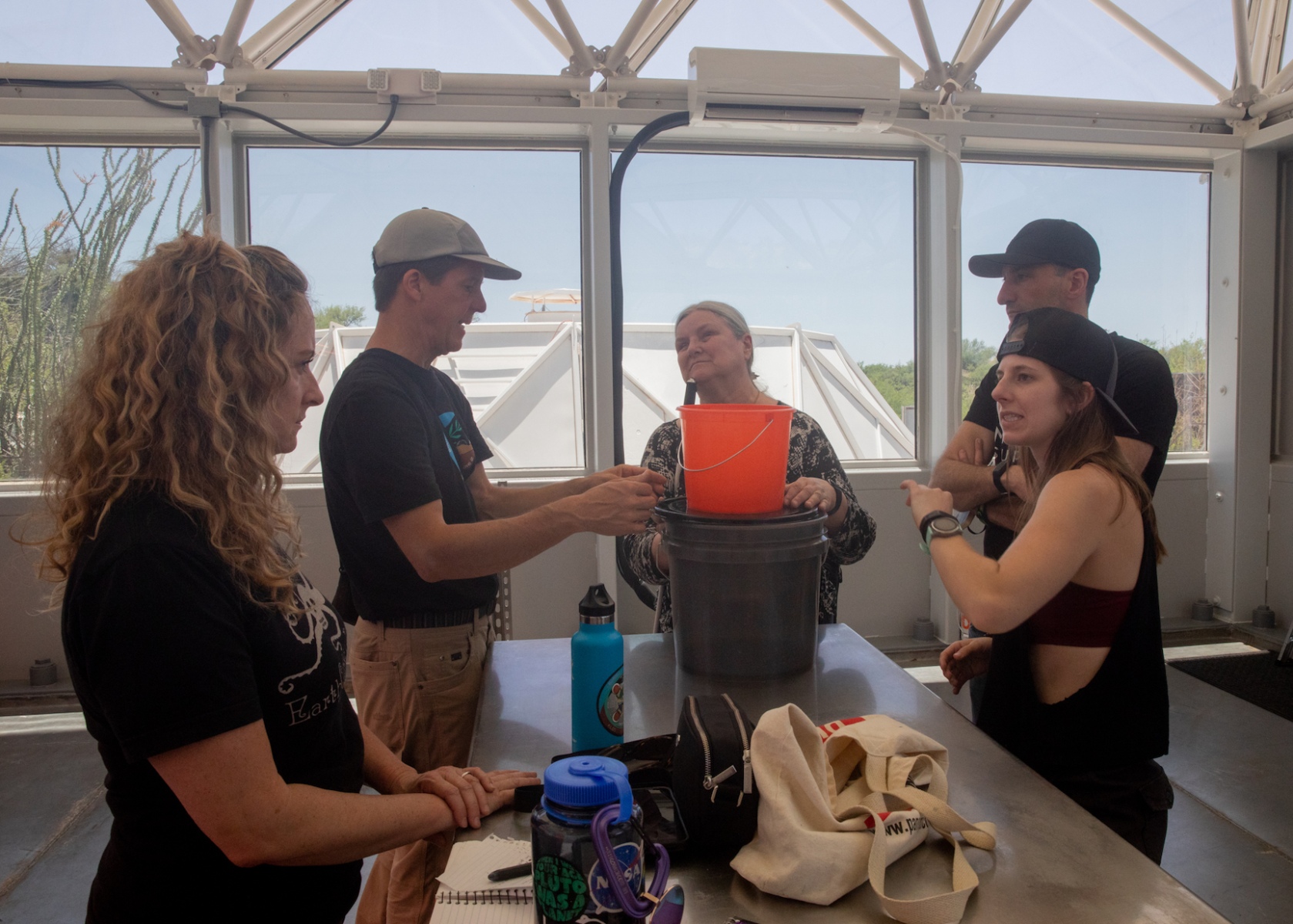
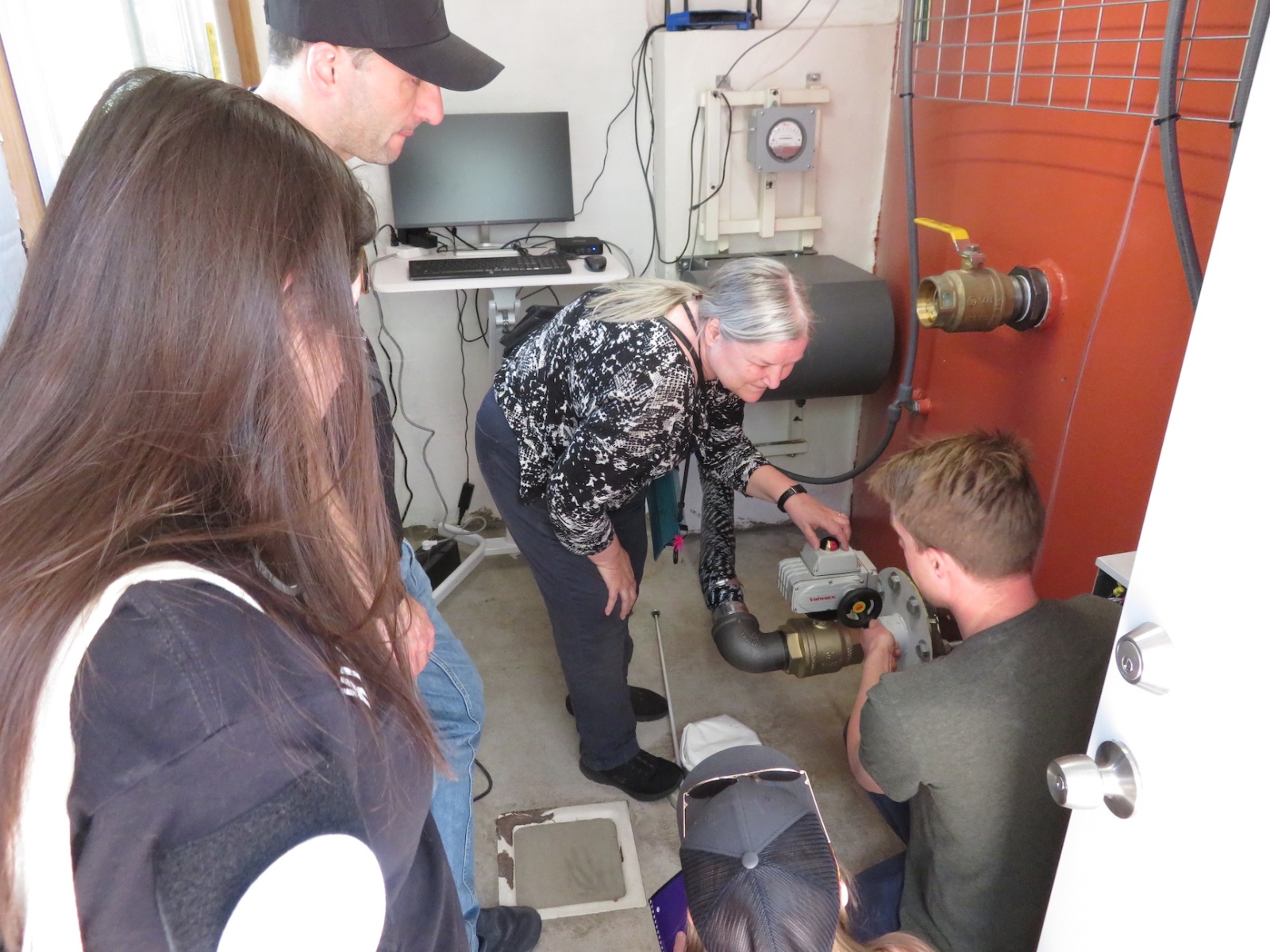
This event follows yesterday’s arduous 13+ hrs training in which the crew was given a hands-on course in the management of SAM pressure regulation, three-stage water recycling, networked fire detection and alert system, air quality monitoring, inedible food stabilization, A/C and dehumidifiers, hydroponics, and more.

Cassandra Klos, Commander and Crew Photographer, is a fine art photographer, curator, and analog astronaut. Eiman Jahangir, Medical officer, MD MPH is a Cardiologist, scuba diver, space enthusiast, and two-time NASA Astronaut Candidate finalist (2009 and 2013). Bailey Burns, Engineer, is an Aerospace Systems Engineer with Blue Origin, focusing on Environmental Control and Life Support Systems (ECLSS), lunar dust mitigation, and lunar operations. Dr. Sheri Wells-Jensen, Communications officer, Accessibility officer, is a linguist who teaches in the Linguistics/TESOL program at Bowling Green State University, Ohio.

Learn more about Inclusion I …

The Mission Objectives for Inclusion II are as follows:

  1. Understand whether the application of adaptive techniques can mitigate physiologic impact from isolation and mission induced stress during a terrestrial space analog mission.
  2. A study by Bailey Burns for Blue Origin (under NDA).
  3. Monitor carbon dioxide levels in SAM.
  4. SpaceKind Training in an Analog Environment.
  5. Construct a New Science Fiction through Documentation of Space Simulations, Mockups, and Ephemera
  6. Human Factors Study with University of Central Florida
  7. Accessibility Tasks and Experiments

Inclusion I will be operating SAM in Mode 2 (pressurized, flow-through) for the entirety of their mission. The crew will enjoy an all vegetarian diet of dehydrated and freeze-dried foods, with an exciting (from a vegetarian point of view) variety of grains and legumes, pasta, and spices, and opportunity to make home made bread.

Inclusion I is an assembly of motivated individuals who share a common passion for science. We are honored to receive this first team at SAM, with anticipation for their first EVA in a pressurized space suit in our prototype Mars yard, and egress two days before the start of the Analog Astronaut Conference.
By |2025-10-30T19:14:09+00:00April 27th, 2023|Categories: In the news, Research Teams|0 Comments

Training of the first crew

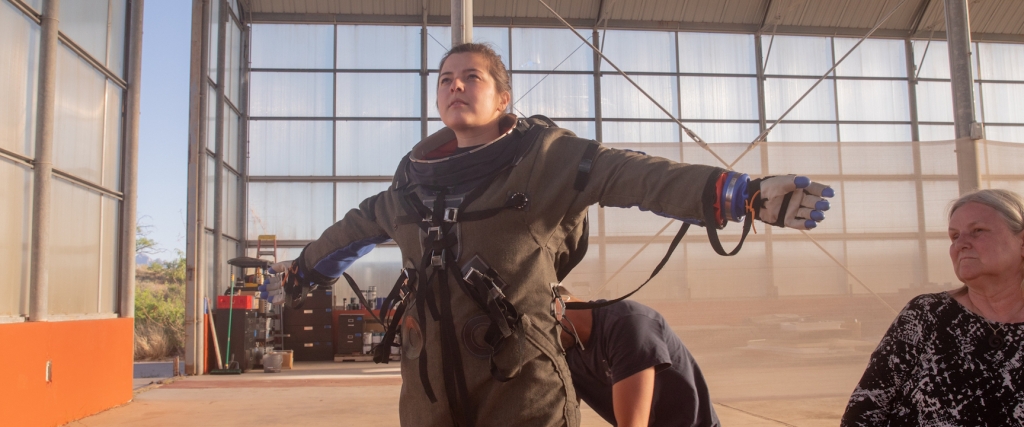
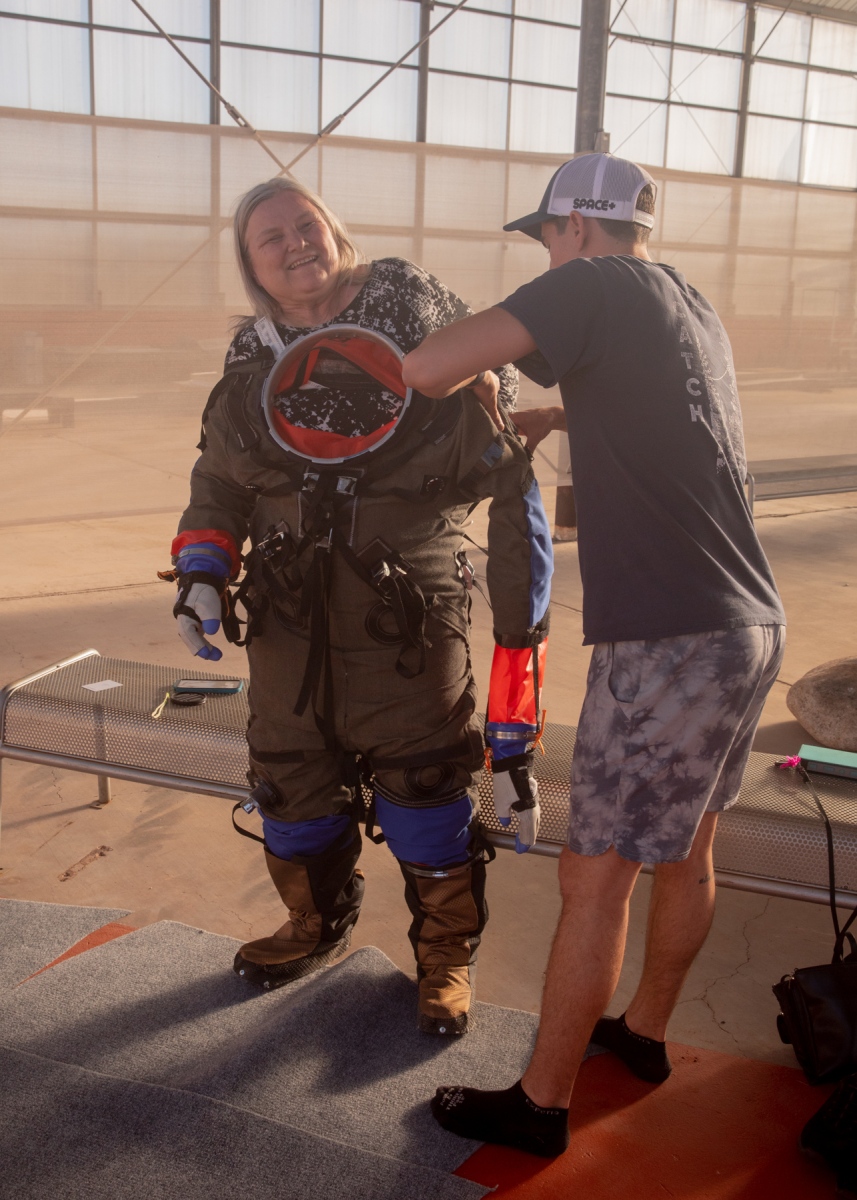
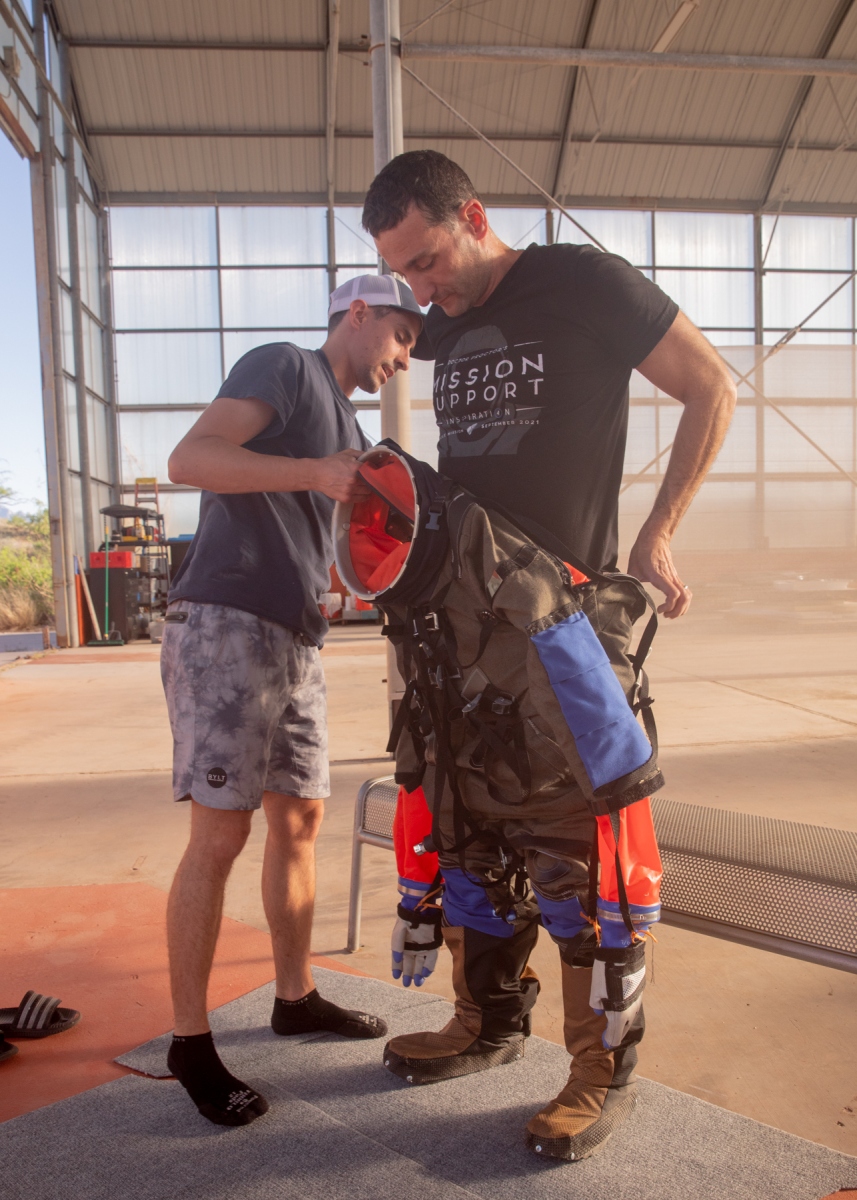
Cassandra Klos, Crew Commander and photographer, being fitted for a pressure suit at SAM, Biosphere 2 - photo by Cassandra Klos (@cassandraklos)

Crew Inclusion I engaged in a 13 hours training session at SAM, learning from Director of Research Kai Staats, and the SAM design and construction staff Luna Powell, Sean Gellenbeck, Matthias Beach, Atila Meszaros, Trent Tresch, and Tasha Coelho.

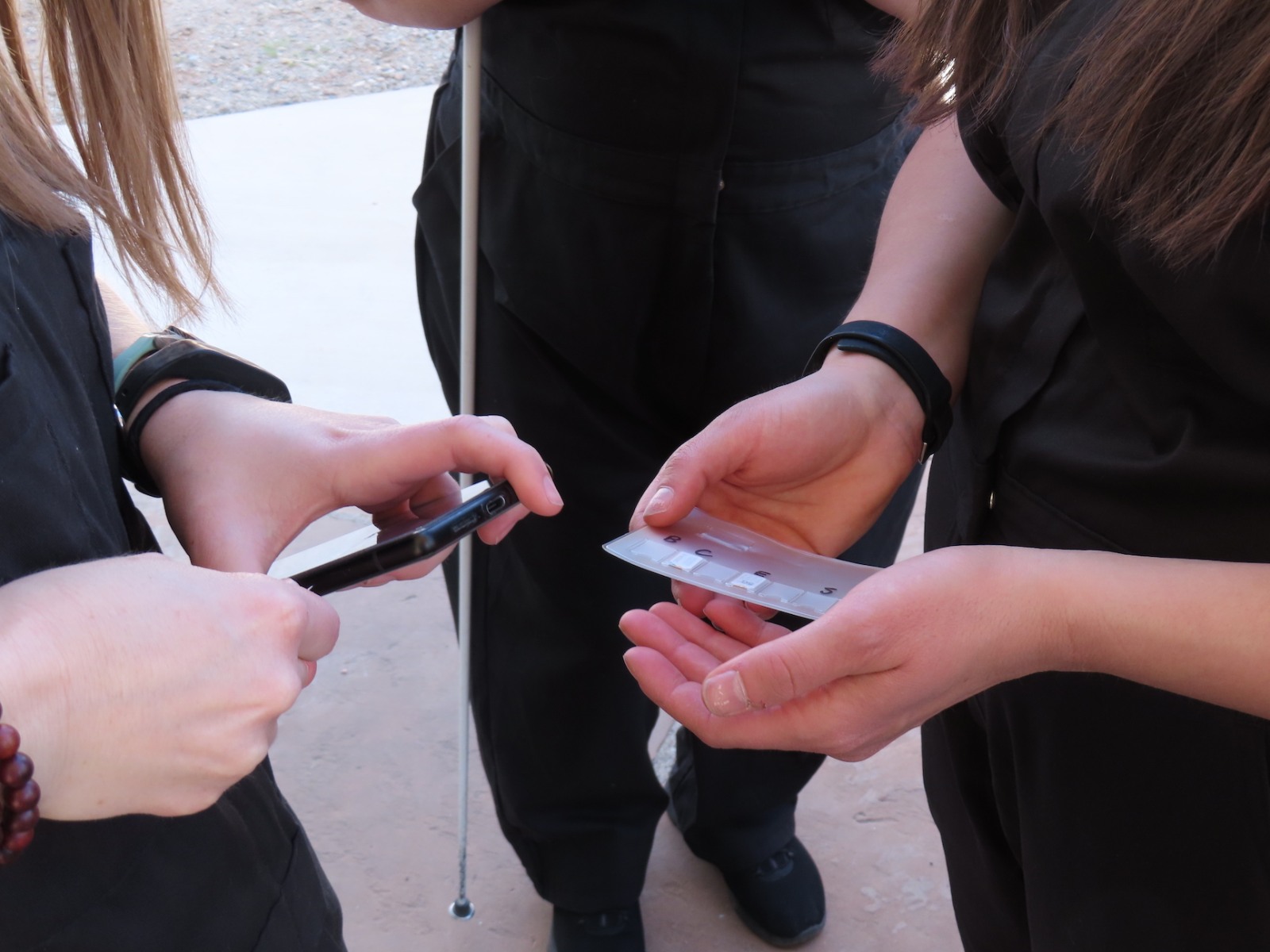
This intense process took the team through the exterior and interior of the complex SAM pressure vessel, with elements of design, physics, chemistry, and safety for each component. As this was the first time the SAM team had trained an external crew, the process required patience and good communication on both sides. Given that Inclusion I includes a blind crew member, it was a steep learning curve for how SAM can improve some its form and function to be more readily accessible for a greater diversity of bodies and abilities.

In the end, it was clear that the training process should instead be one and a half or two full days to dive into the depth and breadth of the multi-faceted machine that is SAM.

By |2023-05-03T16:25:27+00:00April 26th, 2023|Categories: Research Teams|0 Comments

UA Engineering Capstone team completes Automated Pressure Regulation System

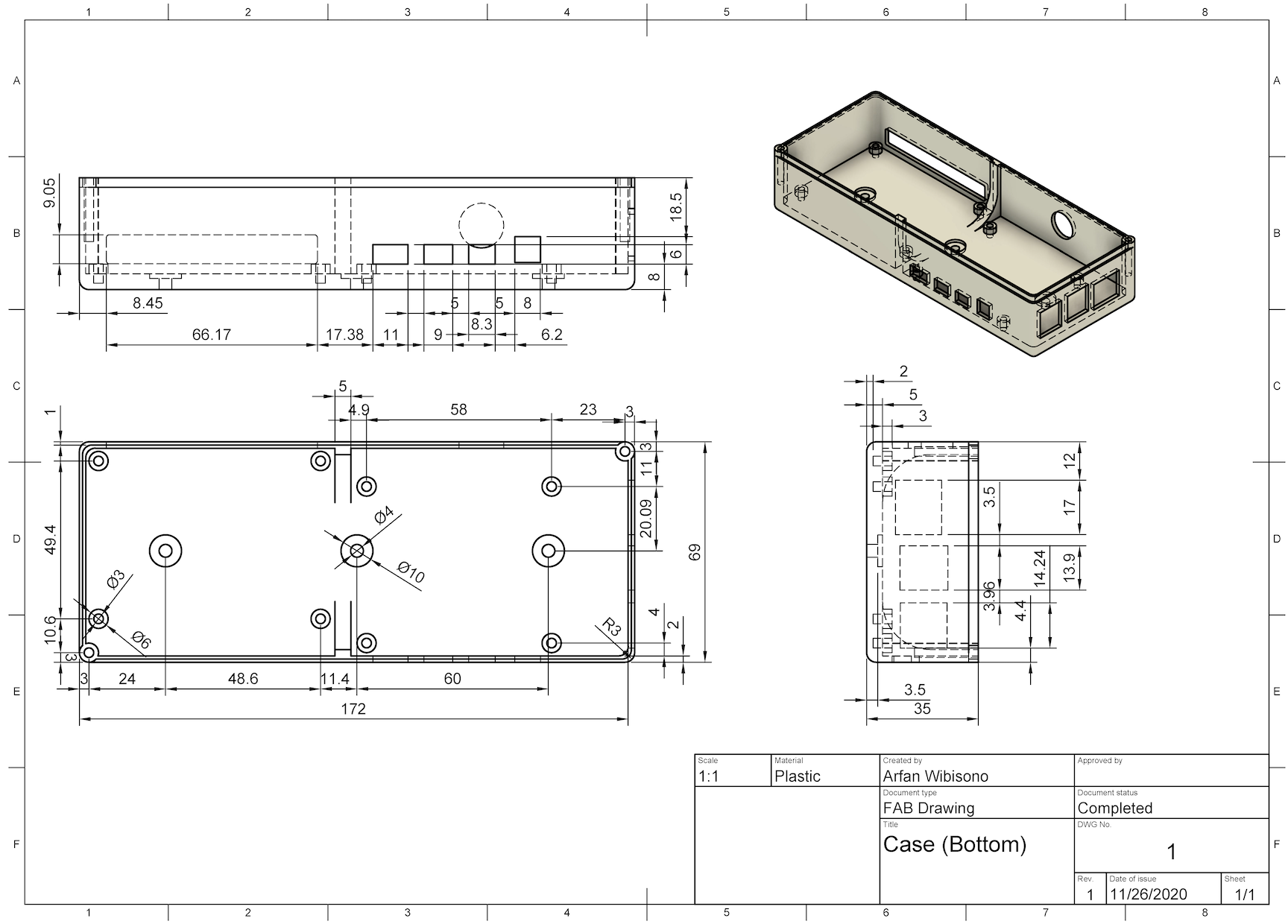
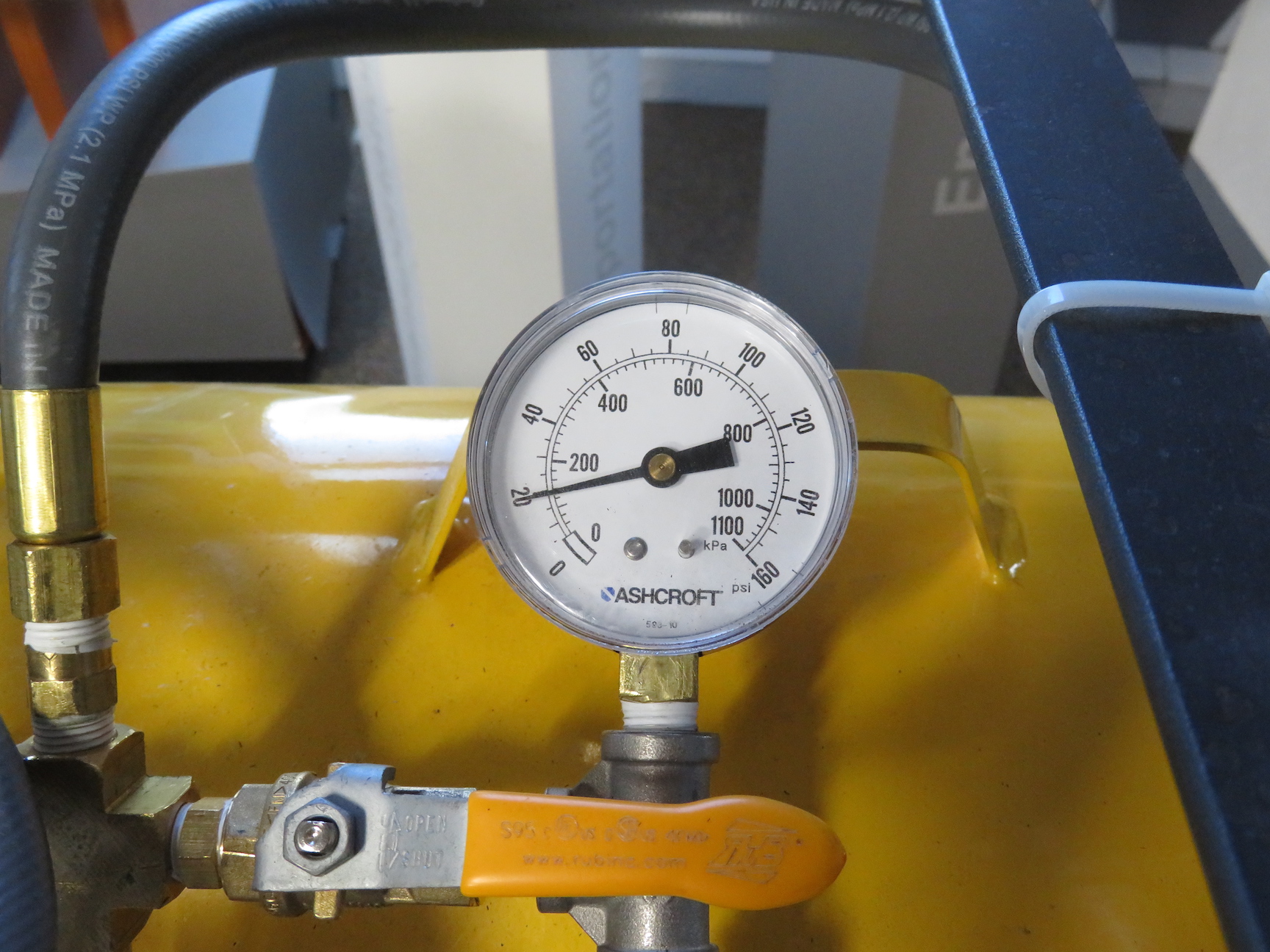
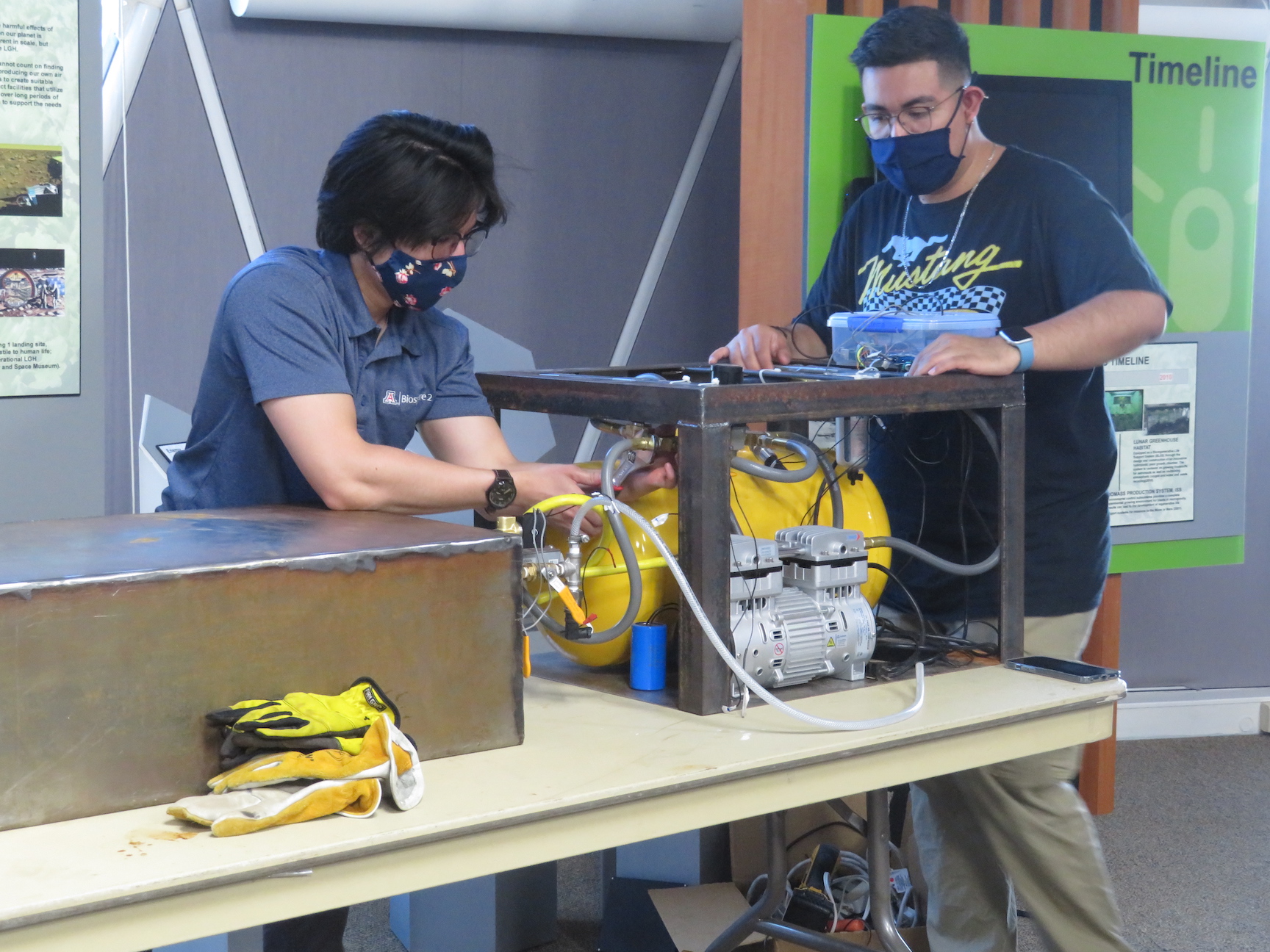
Automated Pressure Regulation System for SAM at Biosphere 2

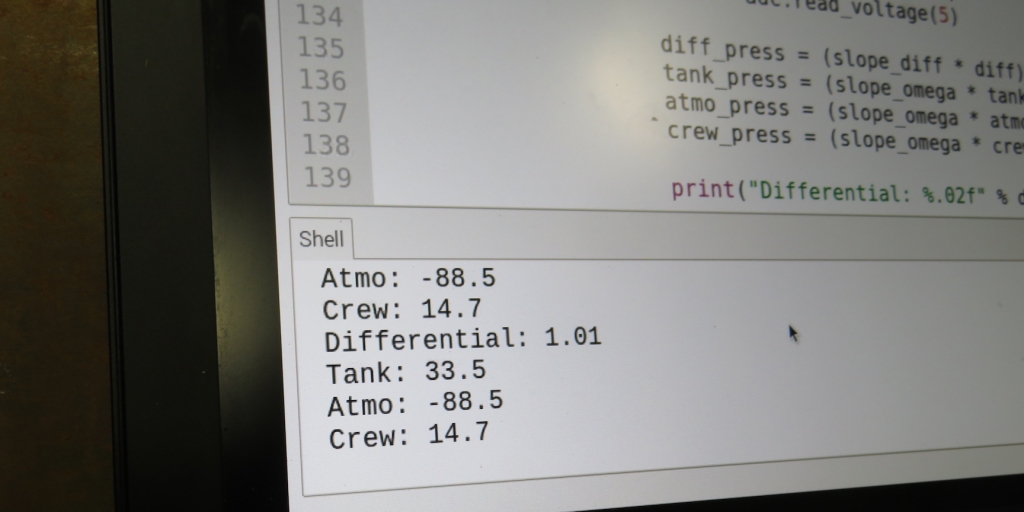
In the fall of 2020 Biosphere 2 Deputy Director John Adams and SAM Director Kai Staats engaged a University of Arizona Engineering 498 Capstone team to design and fabricate a working prototype of an automated pressure regulation system for the inhabitant living space, adjacent to and principally atmosphere separated from the Test Module.

Team 21066 was highly successful in their design and prototype, demonstrating a working model mid May 2021. Once the 1200 sq-ft crew living space is built, a full-scale version will be built.

Core to the design is the ability to:

  1. Maintain a constant internal pressure greater than the external ambient pressure.
  2. Compensate for a low internal pressure by drawing from the reserve tank.
  3. Compensate for over-pressurization by drawing air from the internal space into the reserve tank.
  4. Be able to release a large volume of air quickly, in the case of a vessel breach.

The year-end product demonstration video is available here.

You can meet the team members Ahmed, James, Meghan, Nathan, Coby, Gustavo, and Arfan at our Development Team page.

Automated Pressure Regulation System for SAM at Biosphere 2 Automated Pressure Regulation System for SAM at Biosphere 2 Automated Pressure Regulation System for SAM at Biosphere 2 Automated Pressure Regulation System for SAM at Biosphere 2 Automated Pressure Regulation System for SAM at Biosphere 2

By |2025-02-20T06:08:00+00:00May 5th, 2021|Categories: Research & Development, Research Teams|0 Comments
Go to Top