

SAM Construction – Water from Steel

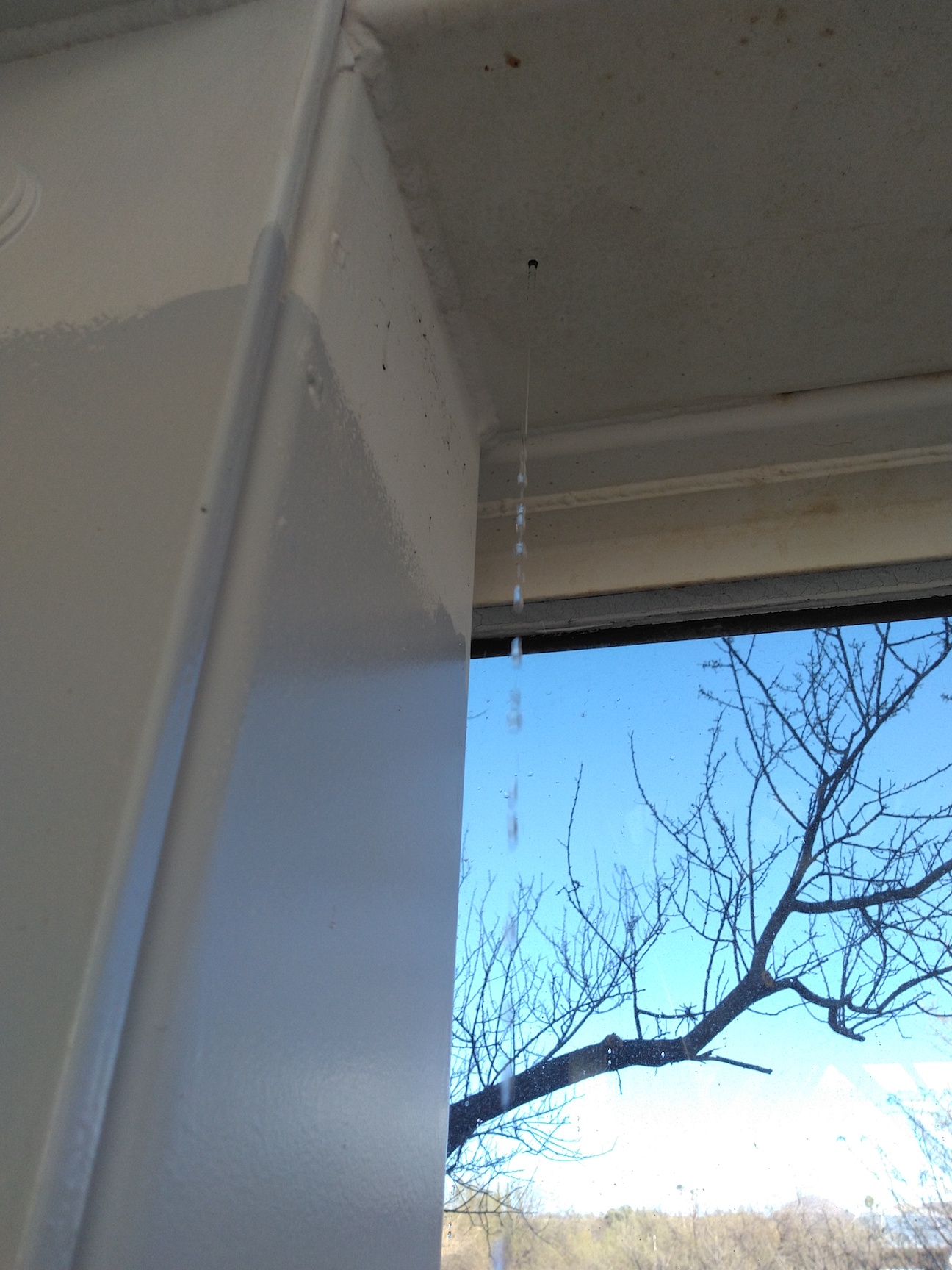
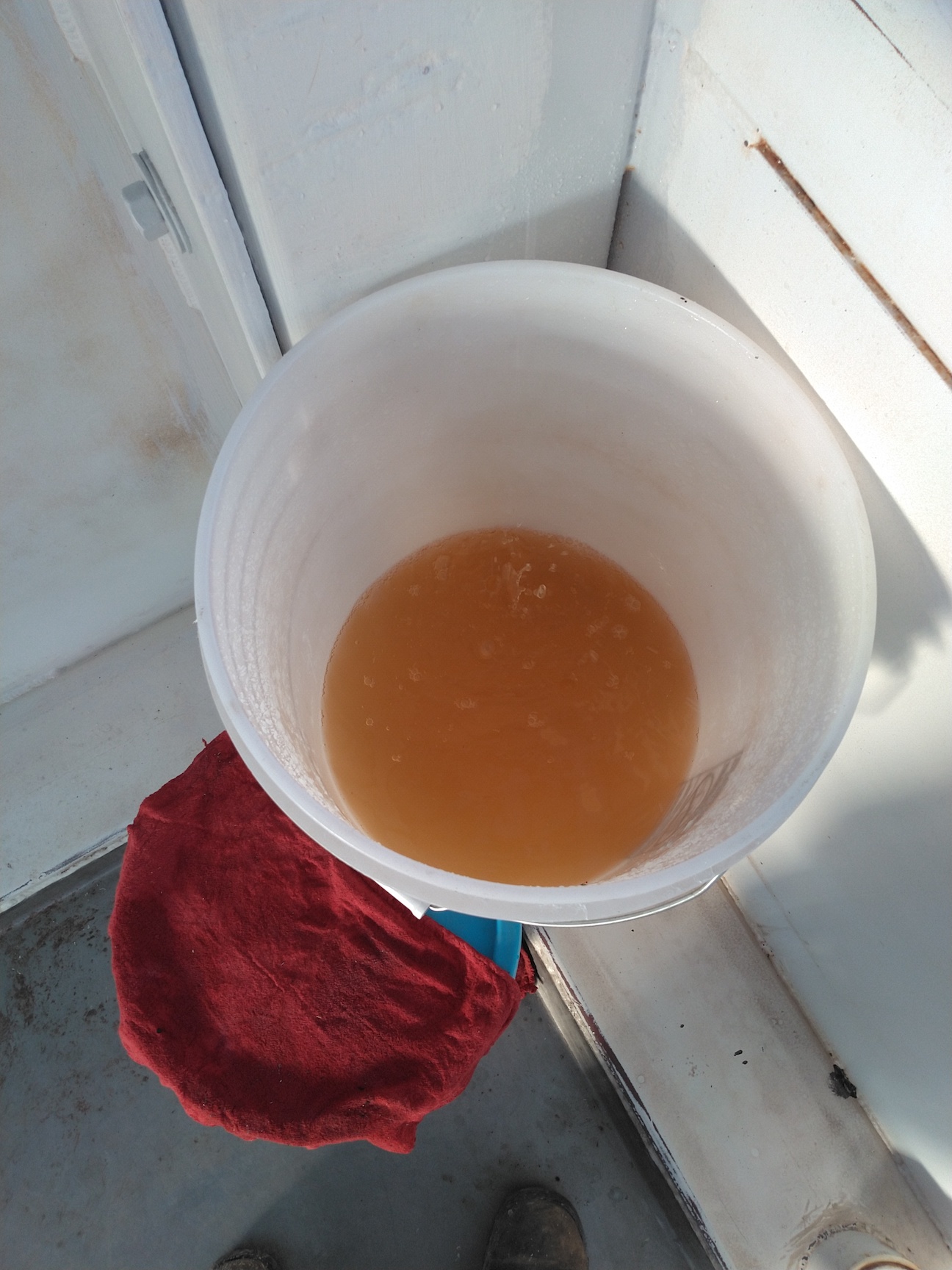
Sometimes, you find water in the most peculiar places.
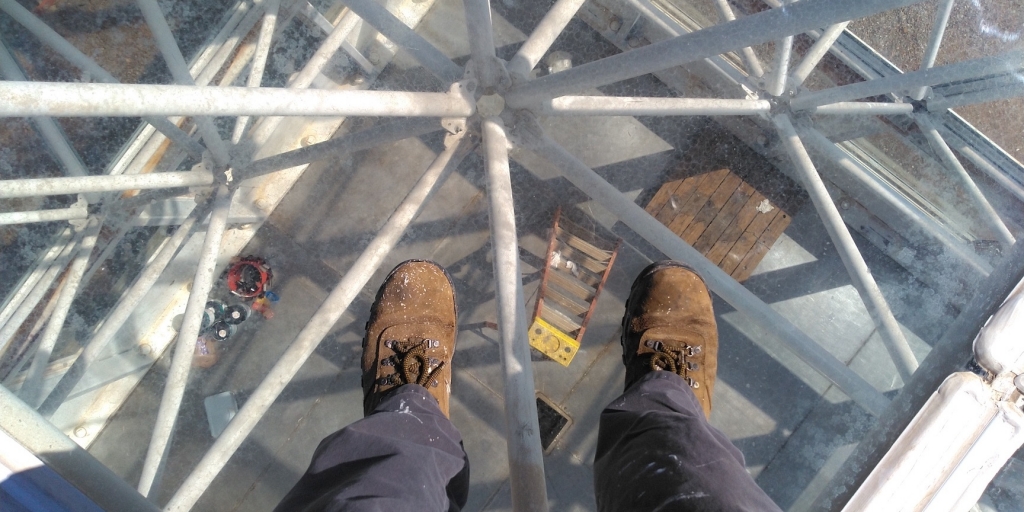
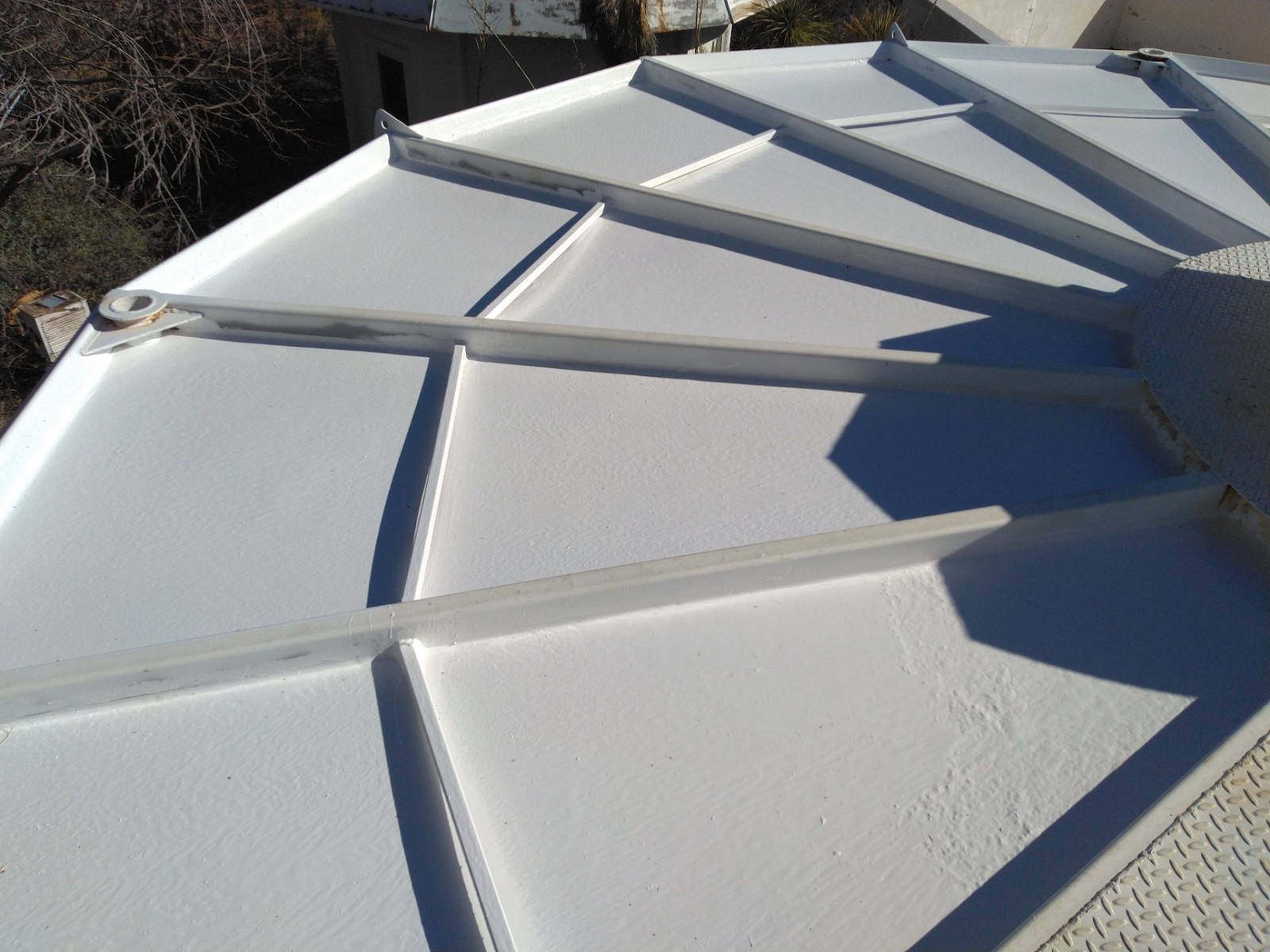
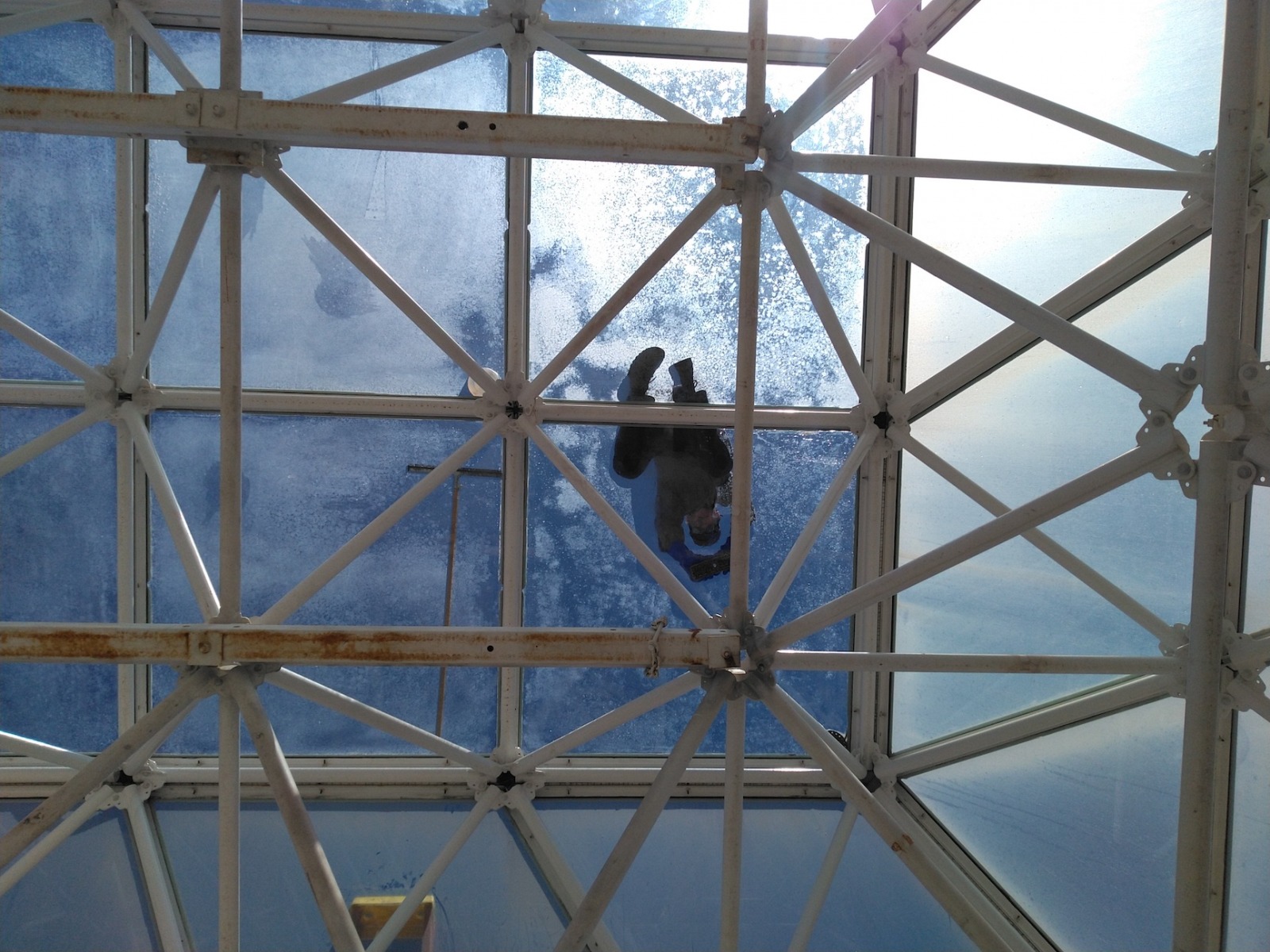
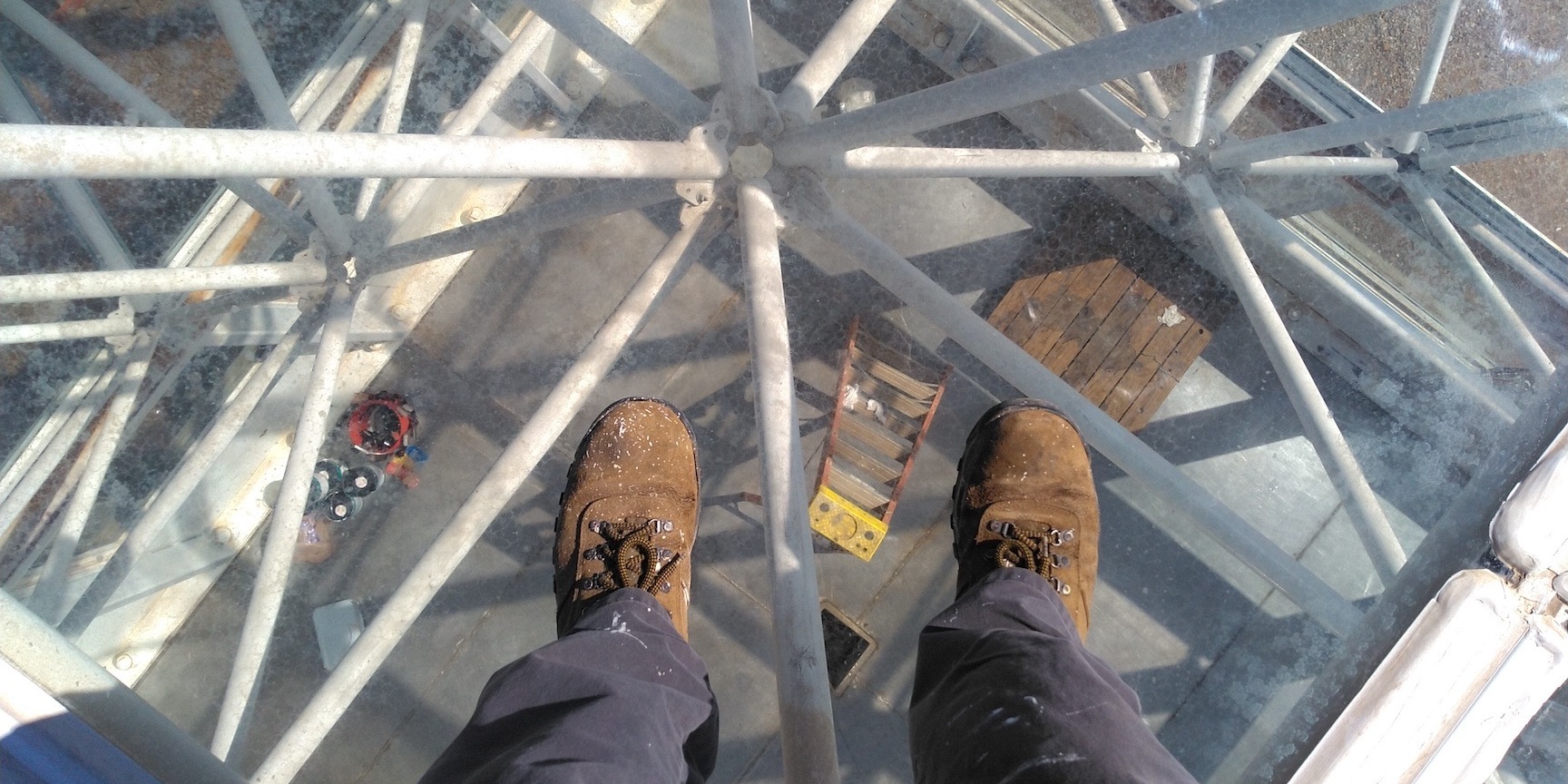
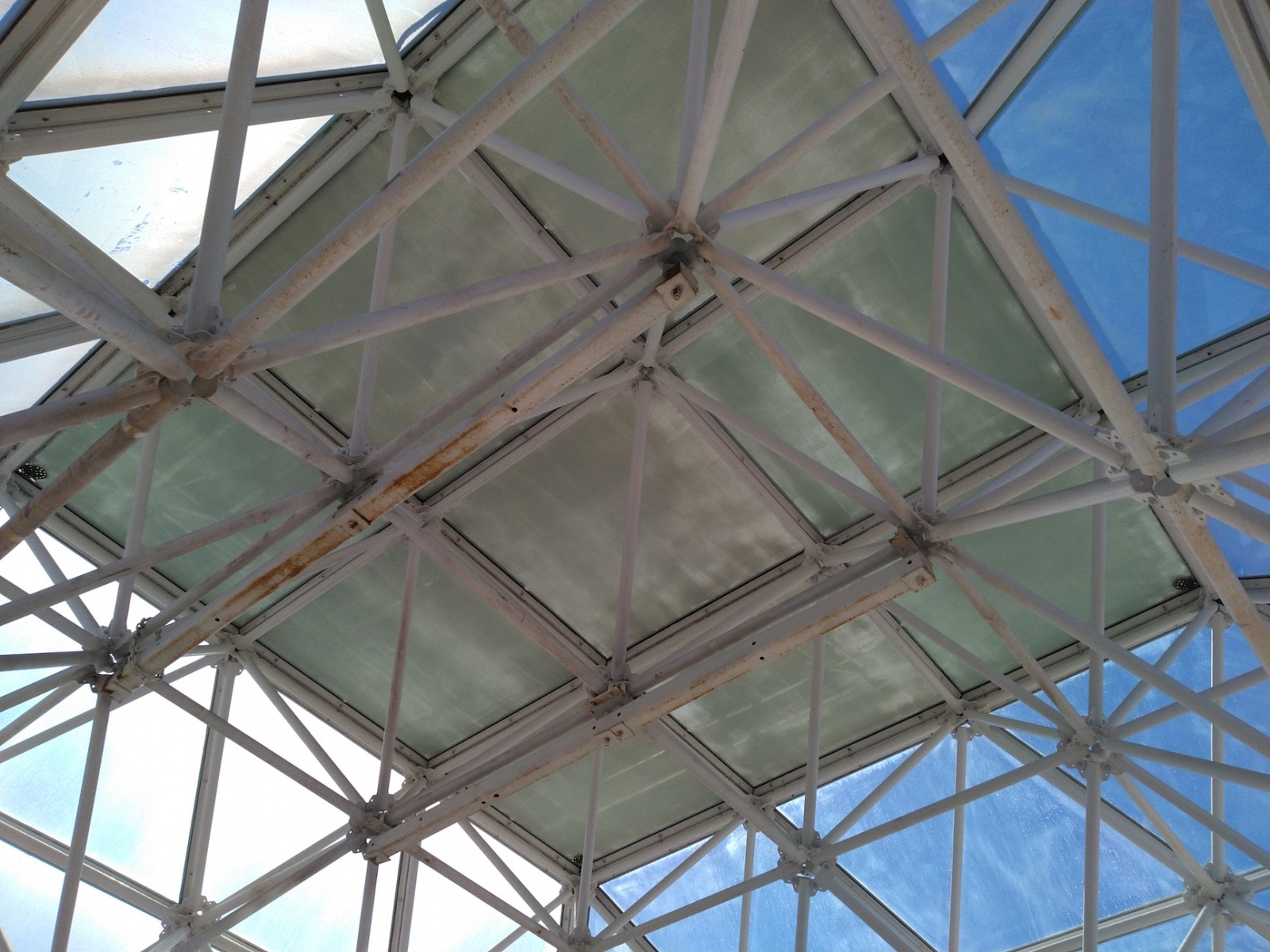
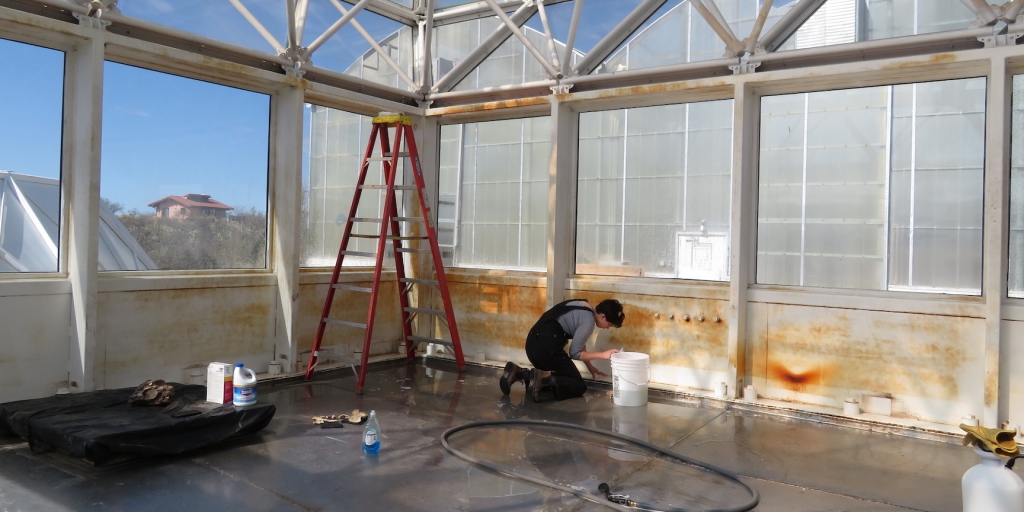
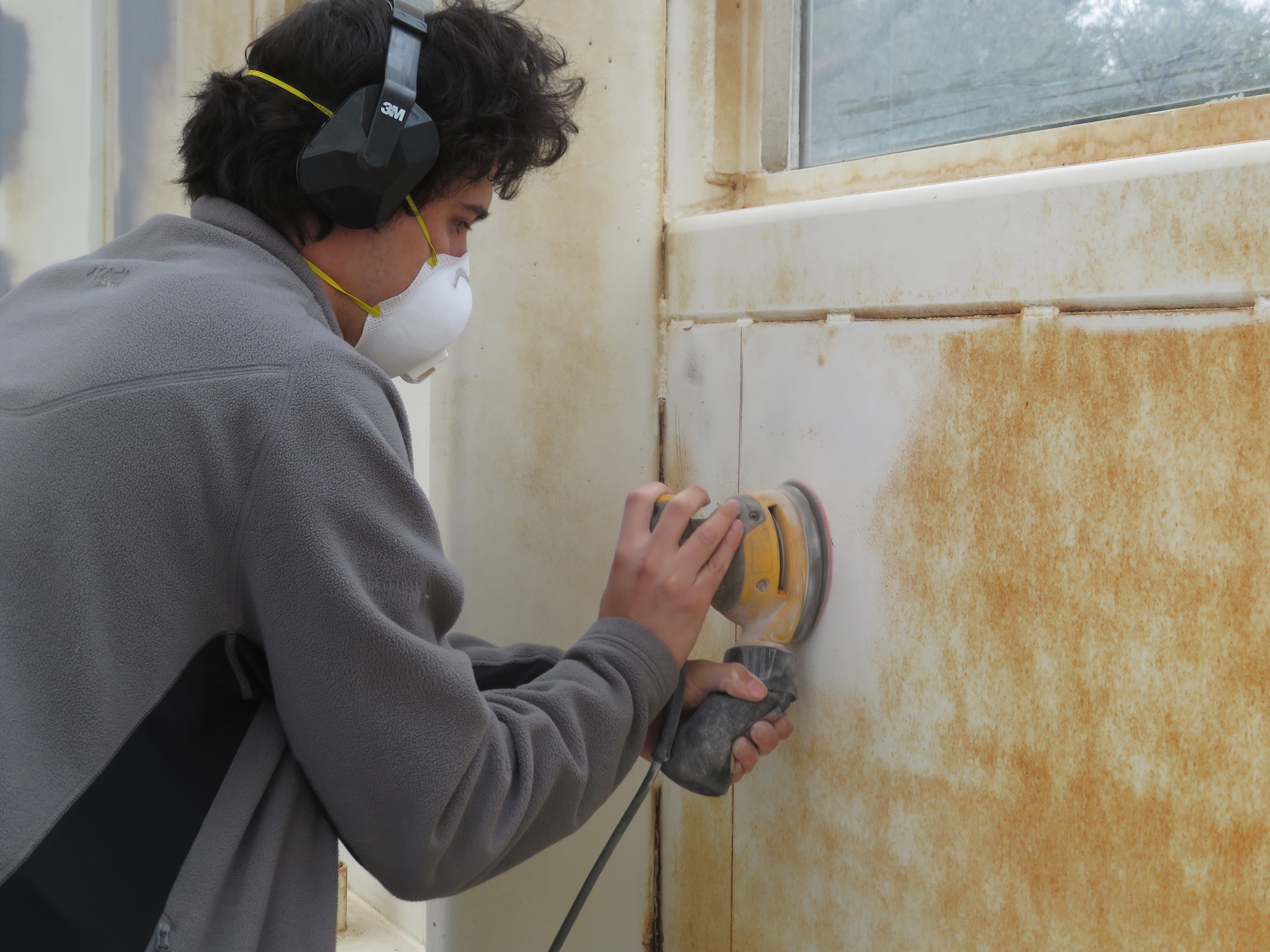
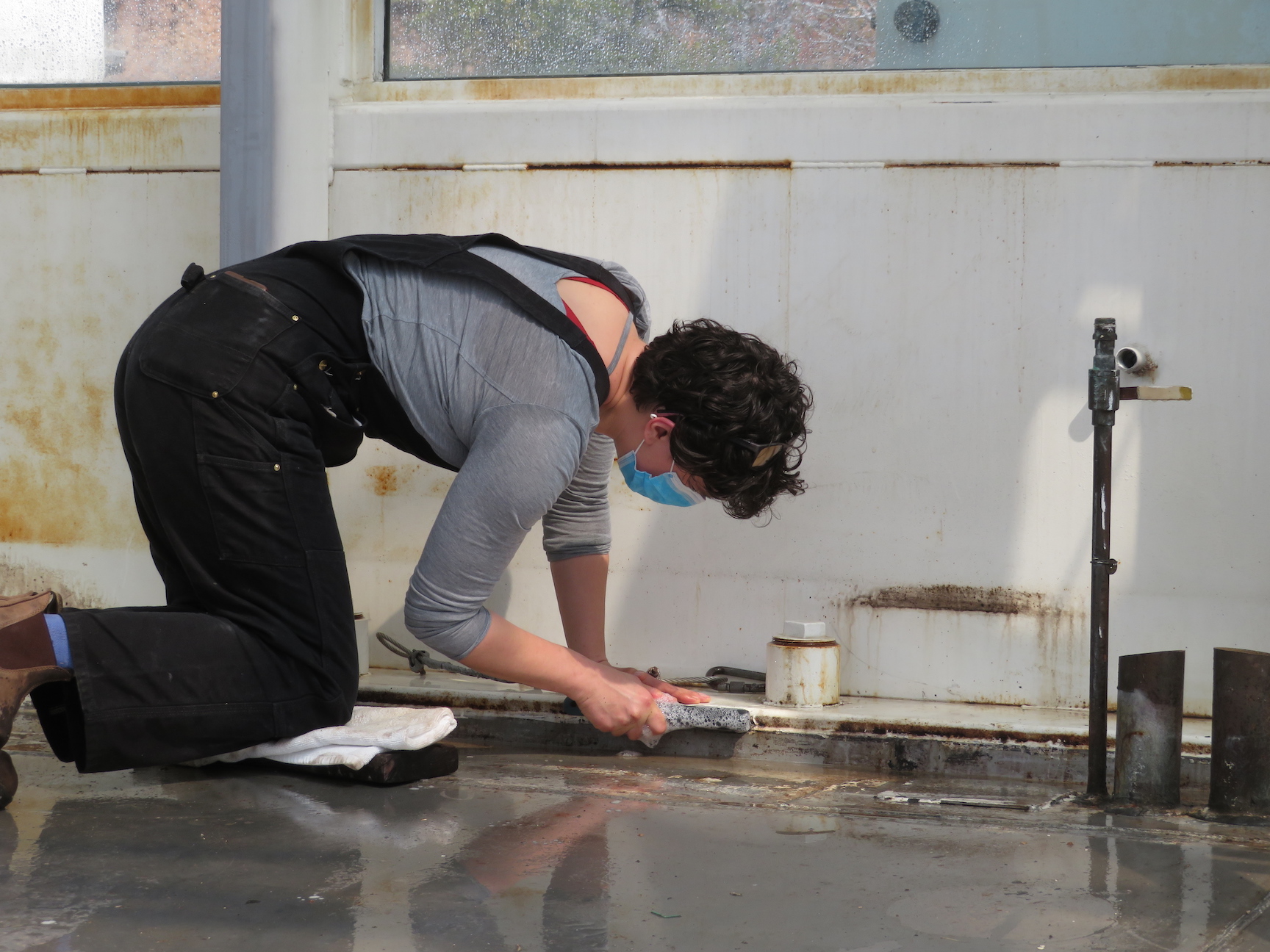
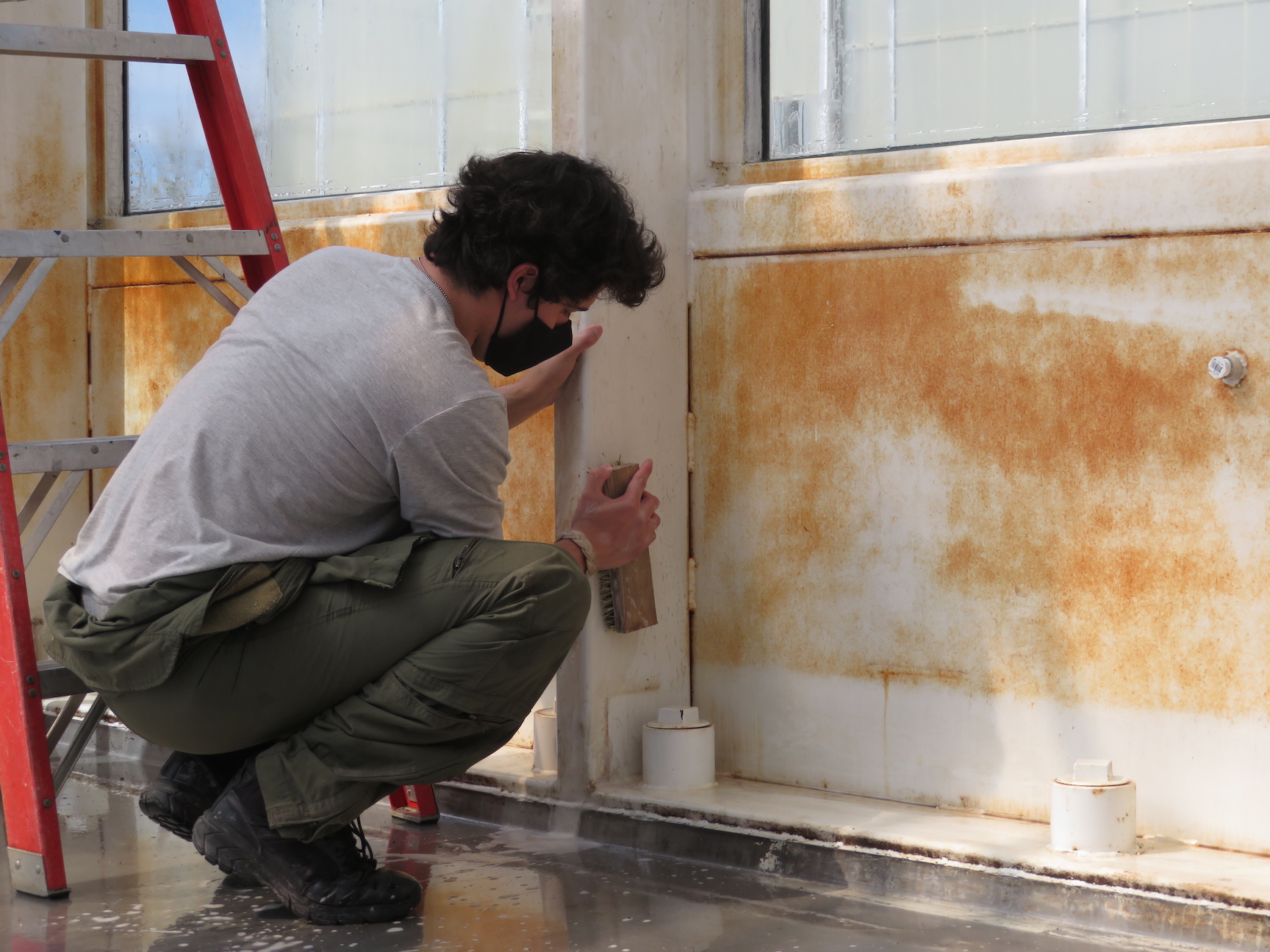
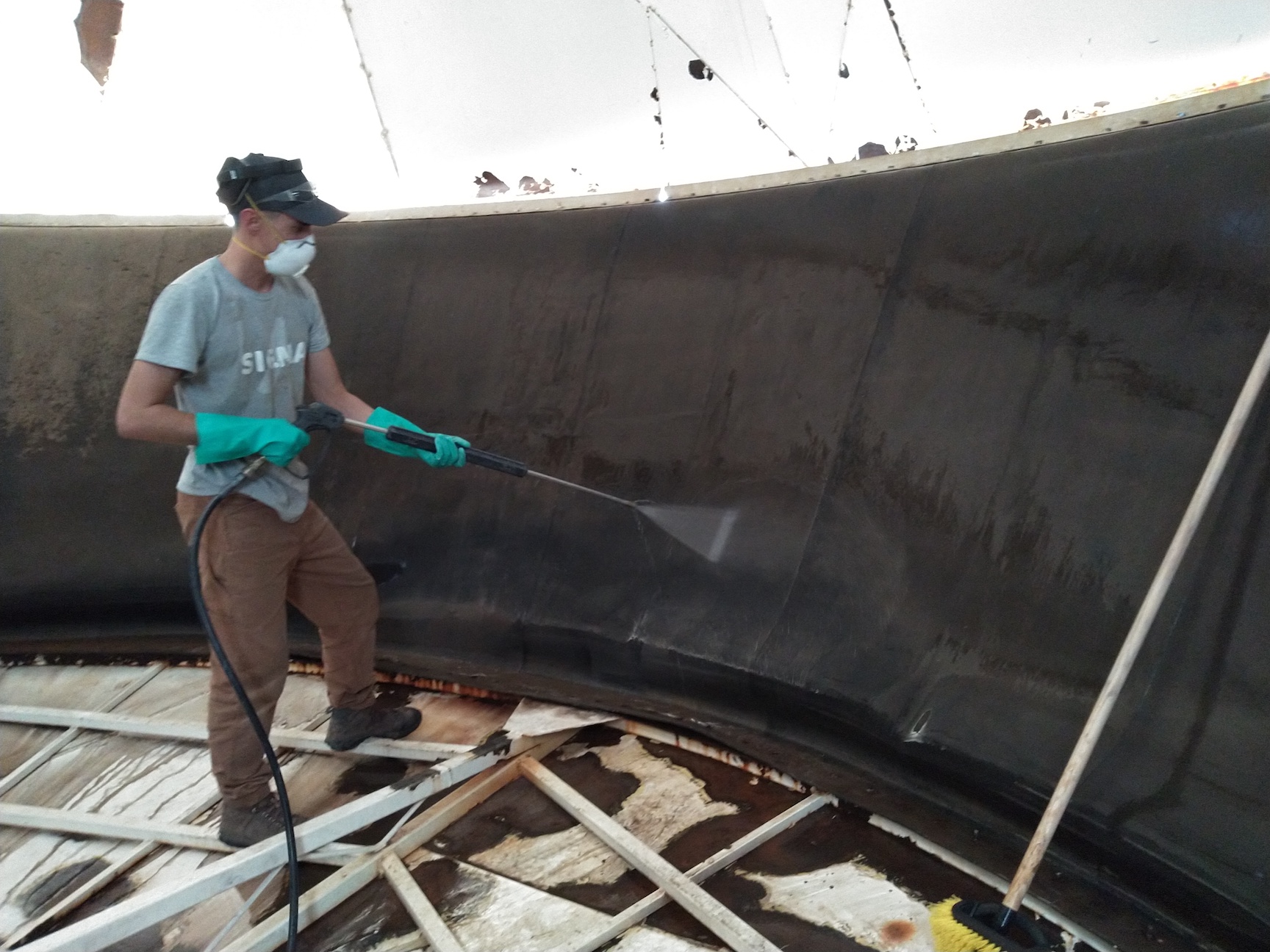
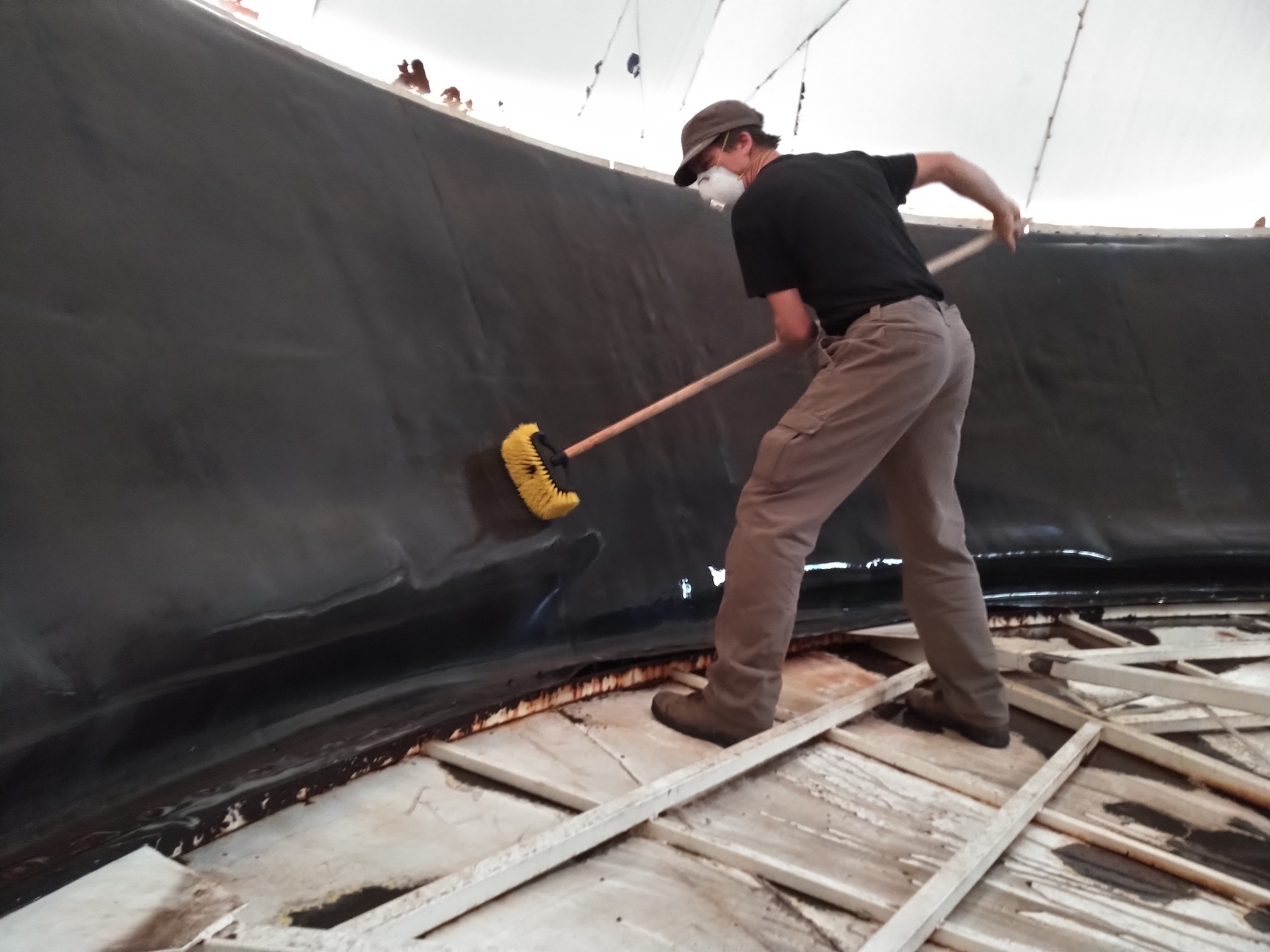
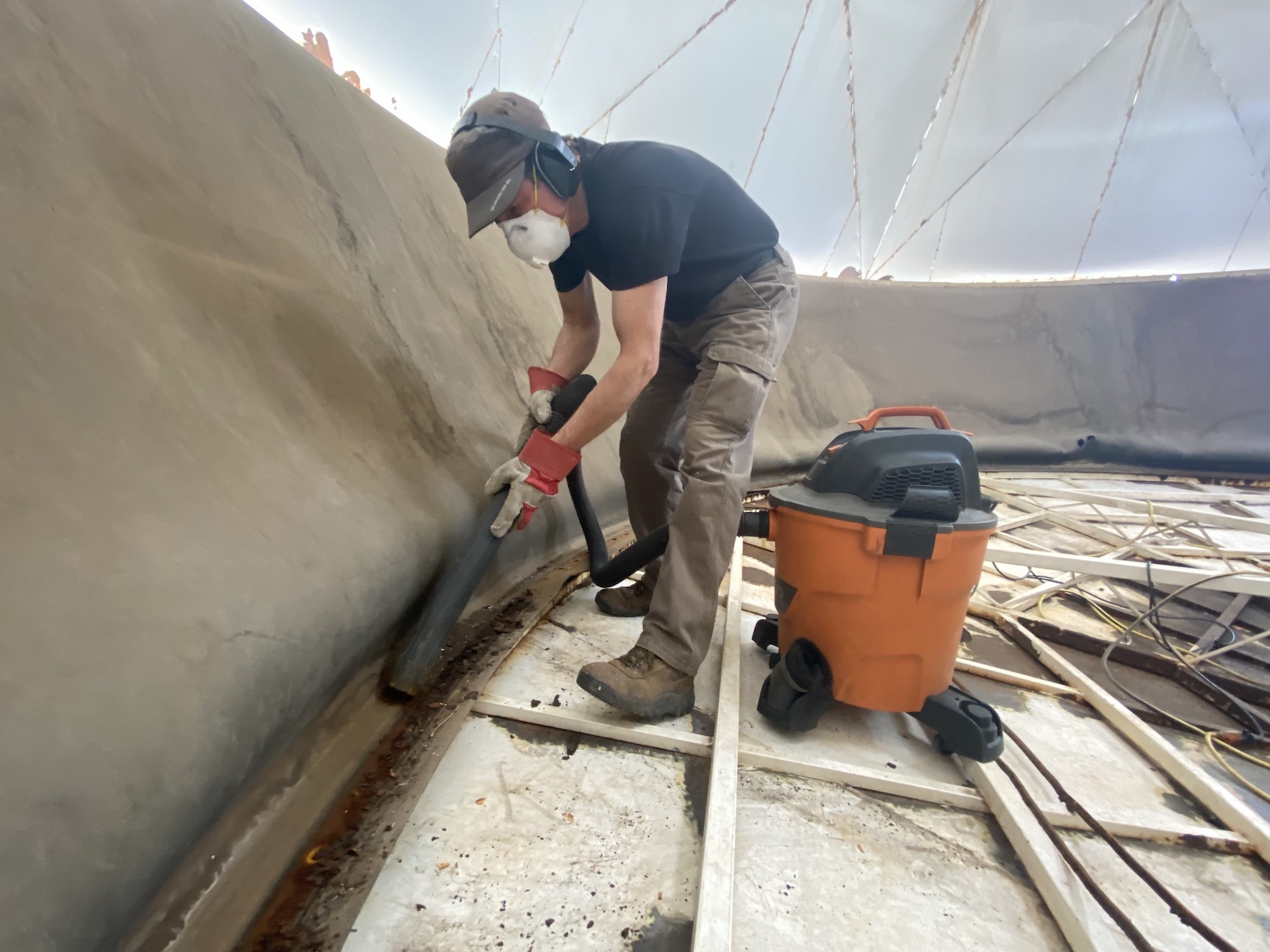
As we moved to paint the interior of SAM we became more acutely aware of both the location and density of the rust. Two full weeks after we last washed the interior of the Test Module, ceiling to floor, there was still rust colored water seeping from certain places. In fact, there is a fairly significant pattern—the heaviest rust was always on the left-hand side of the four corner support beams. How could that be possible?
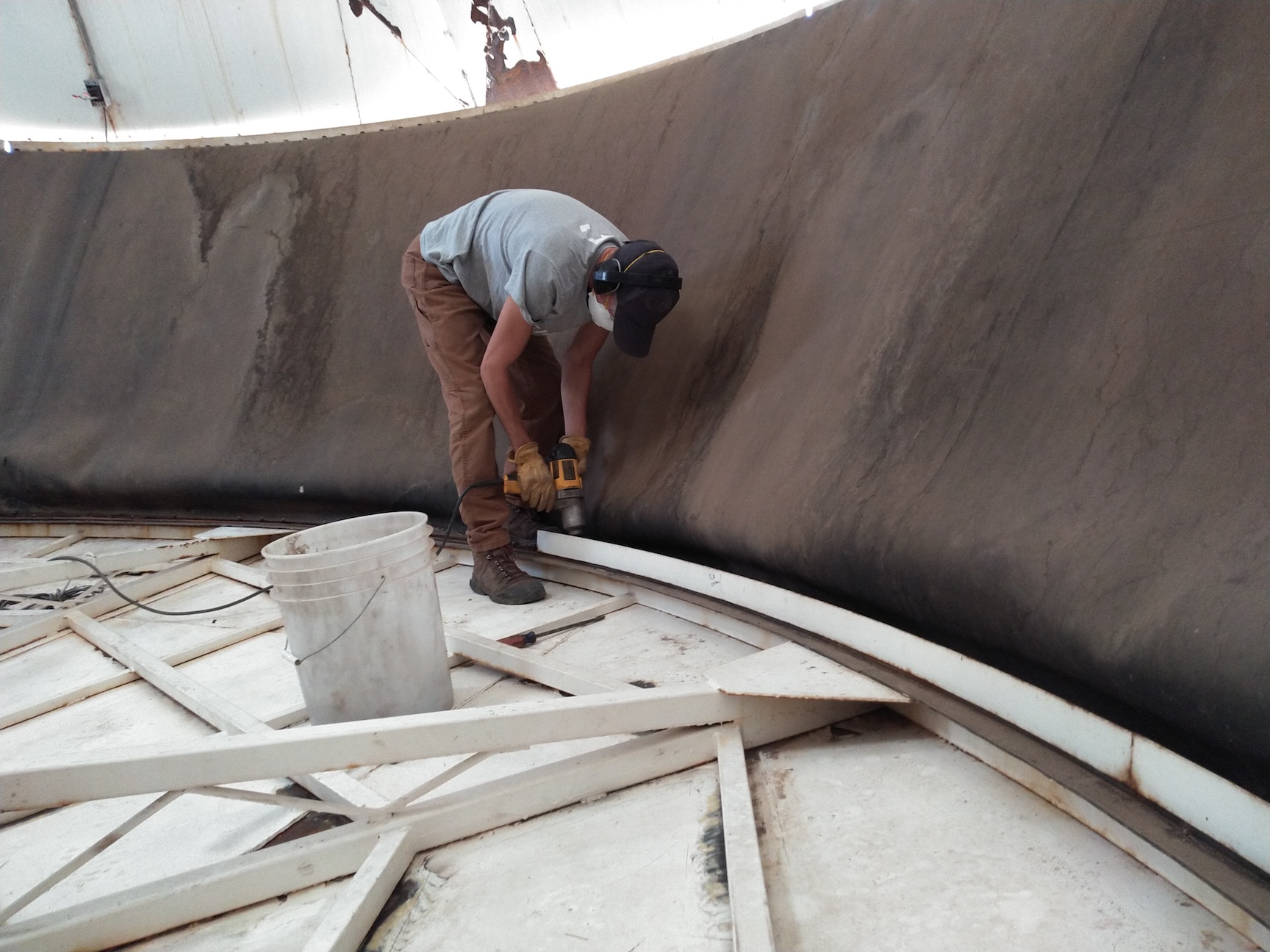
Upon further inspection, we discovered that the mounting plates for the space frame each had four holes, but no more than two of them, often just one were filled with a bolt. The others were simple openings into the massive, horizontal steel beams. We believe that over the years the humidity condensed on the inside of the windows, rolled down onto the “V” shaped window sills, pooled and ran onto and then into the support beams by means of the mounting plate holes. There it sat, unable to further explore … until the water, oxygen, and iron worked their magic to turn much of the lower section of the Test Module to the color of Mars.
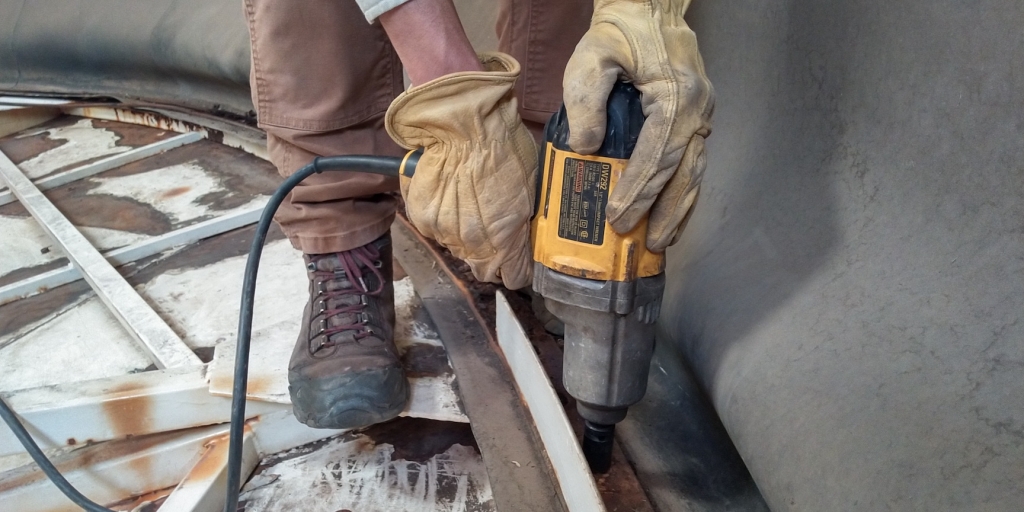
To test this theory we drilled a 1/4″ hole at the end of each beam. Sure enough, the water poured right out and into the waiting bucket. Dry at last, we are preparing to prime and paint.

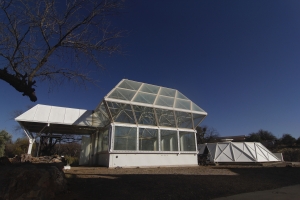
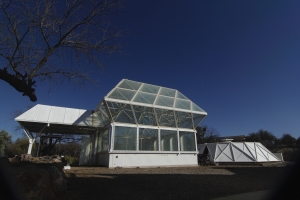
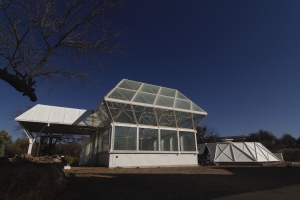
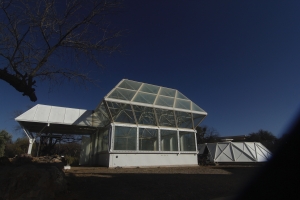
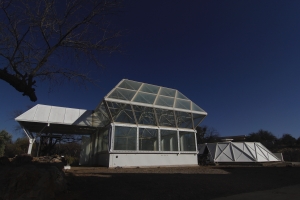
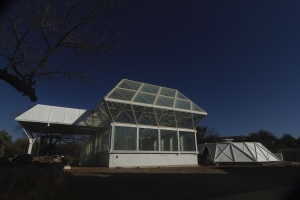
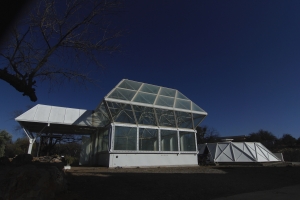
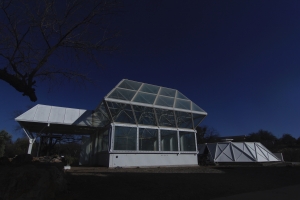
 Biosphere 2, the largest and most biodiverse closed ecological system facility yet created, has contributed vital lessons for living with our planetary biosphere and for long-term habitation in space. From the space life support perspective, Biosphere 2 contrasted with previous BLSS work by including areas based on Earth wilderness biomes in addition to its provision for human life support and by using a soil-based intensive agricultural system producing a complete human diet. No previous BLSS system had included domestic farm animals. All human and domestic animal wastes were also recycled and returned to the crop soils. Biosphere 2 was important as a first step towards learning how to miniaturize natural ecosystems and develop technological support systems compatible with life.
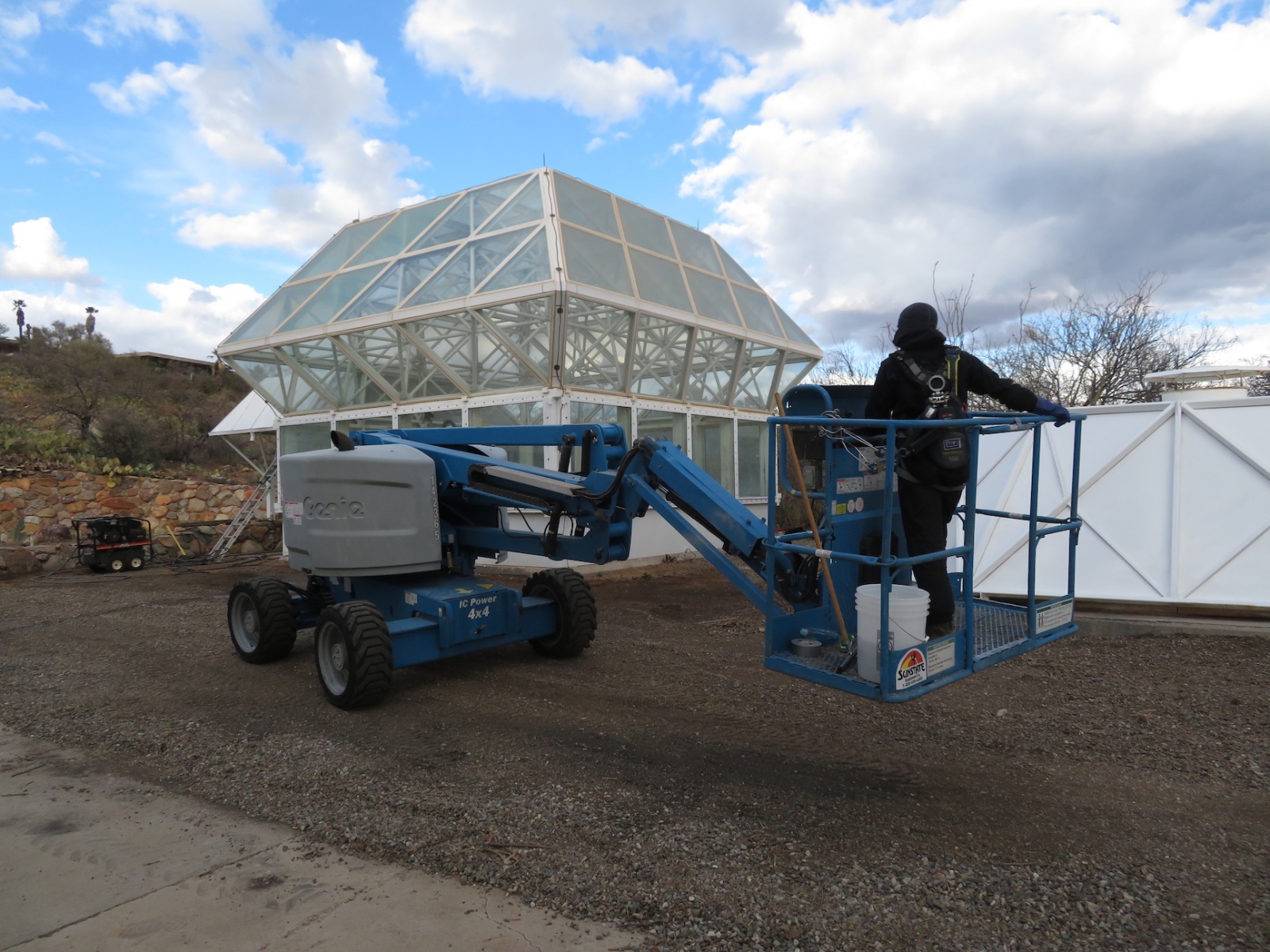
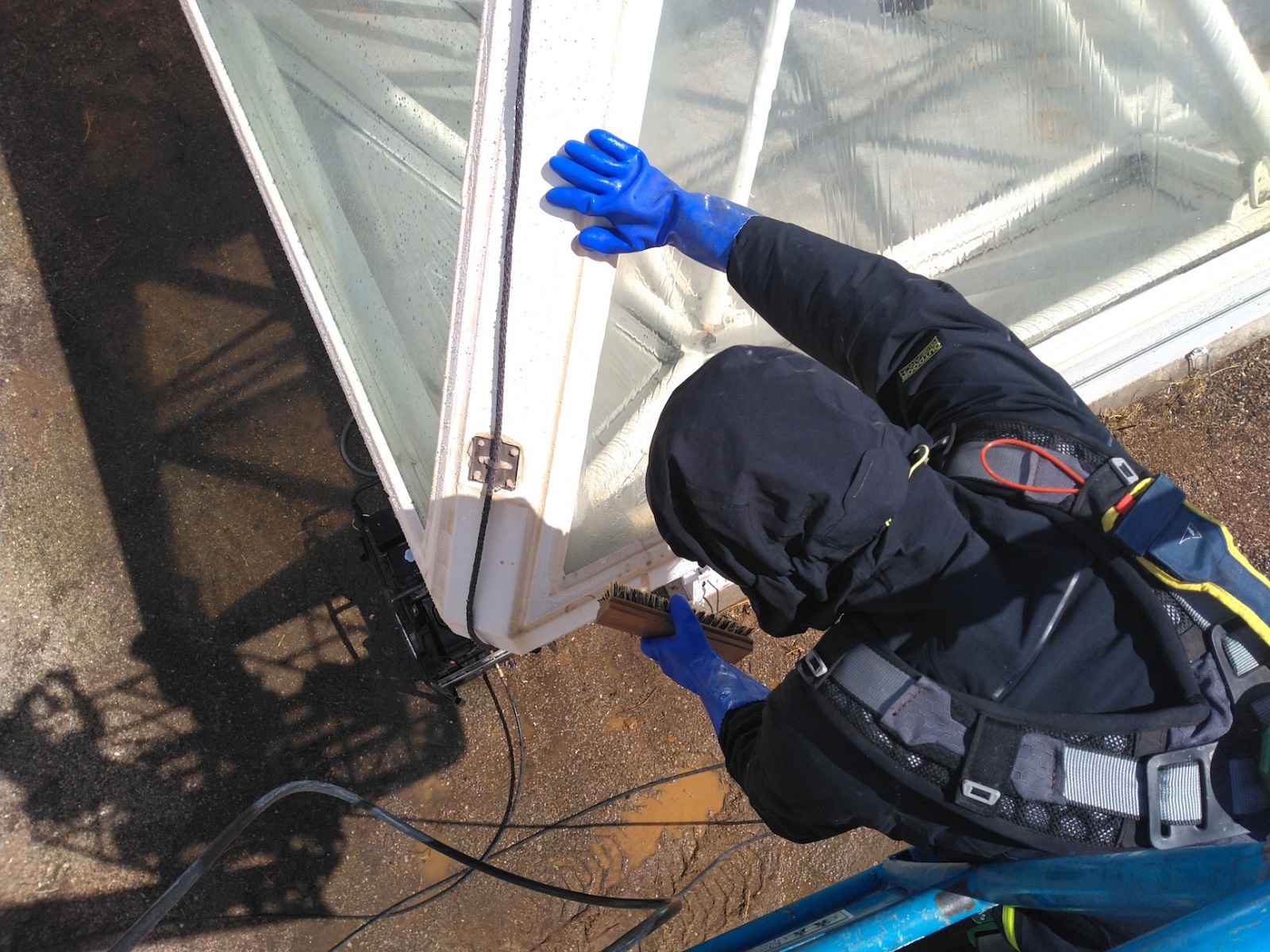
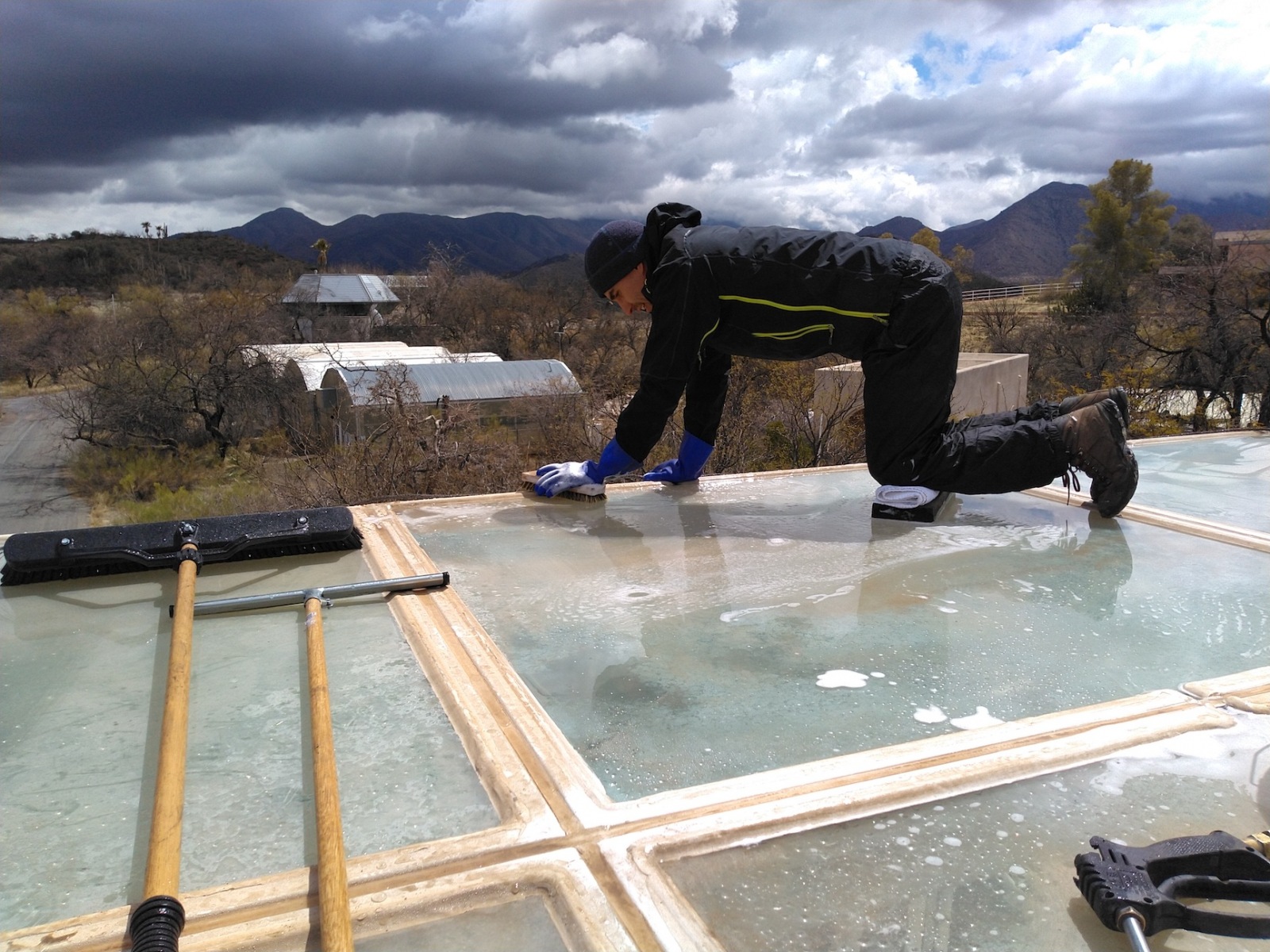
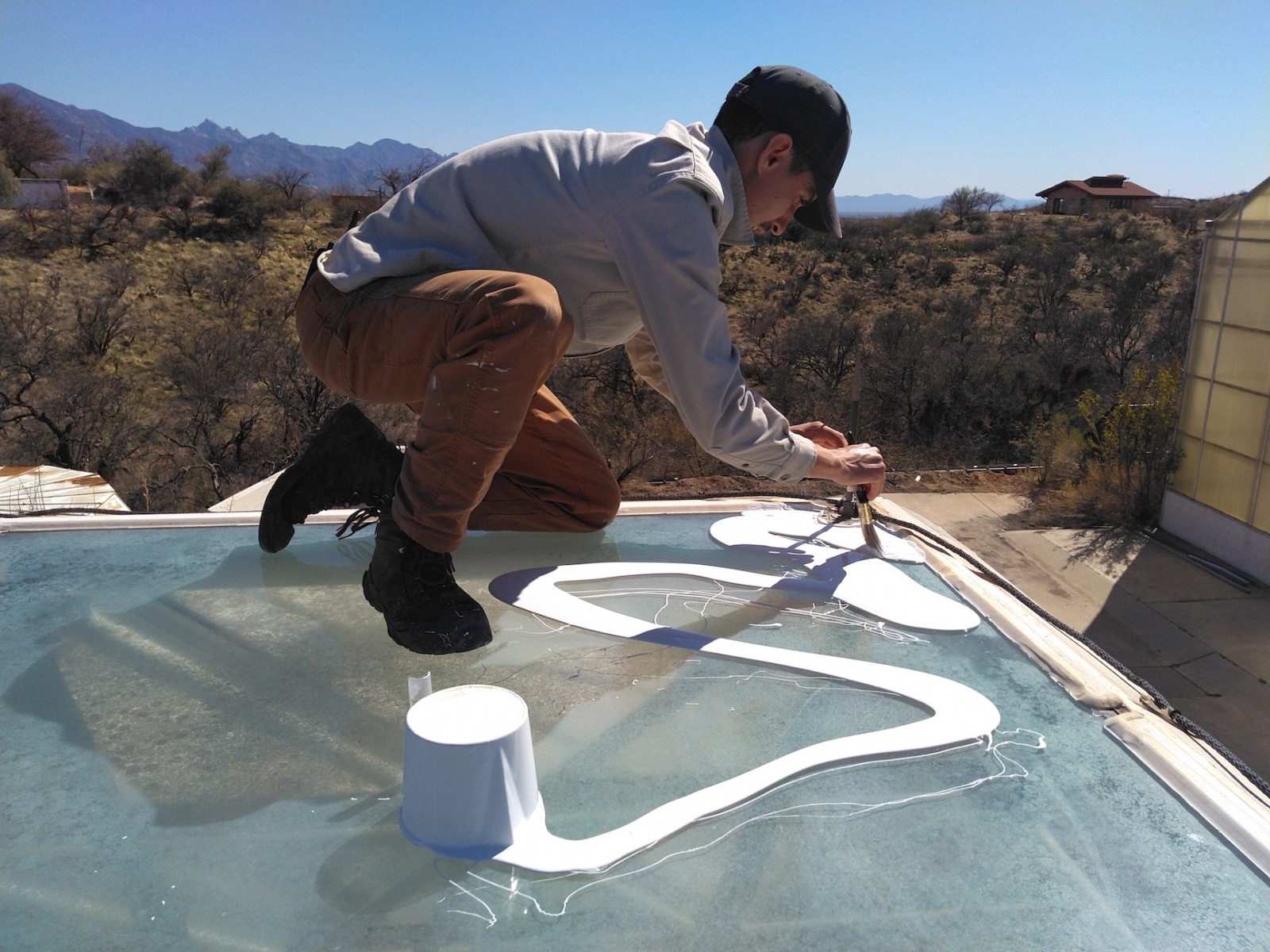
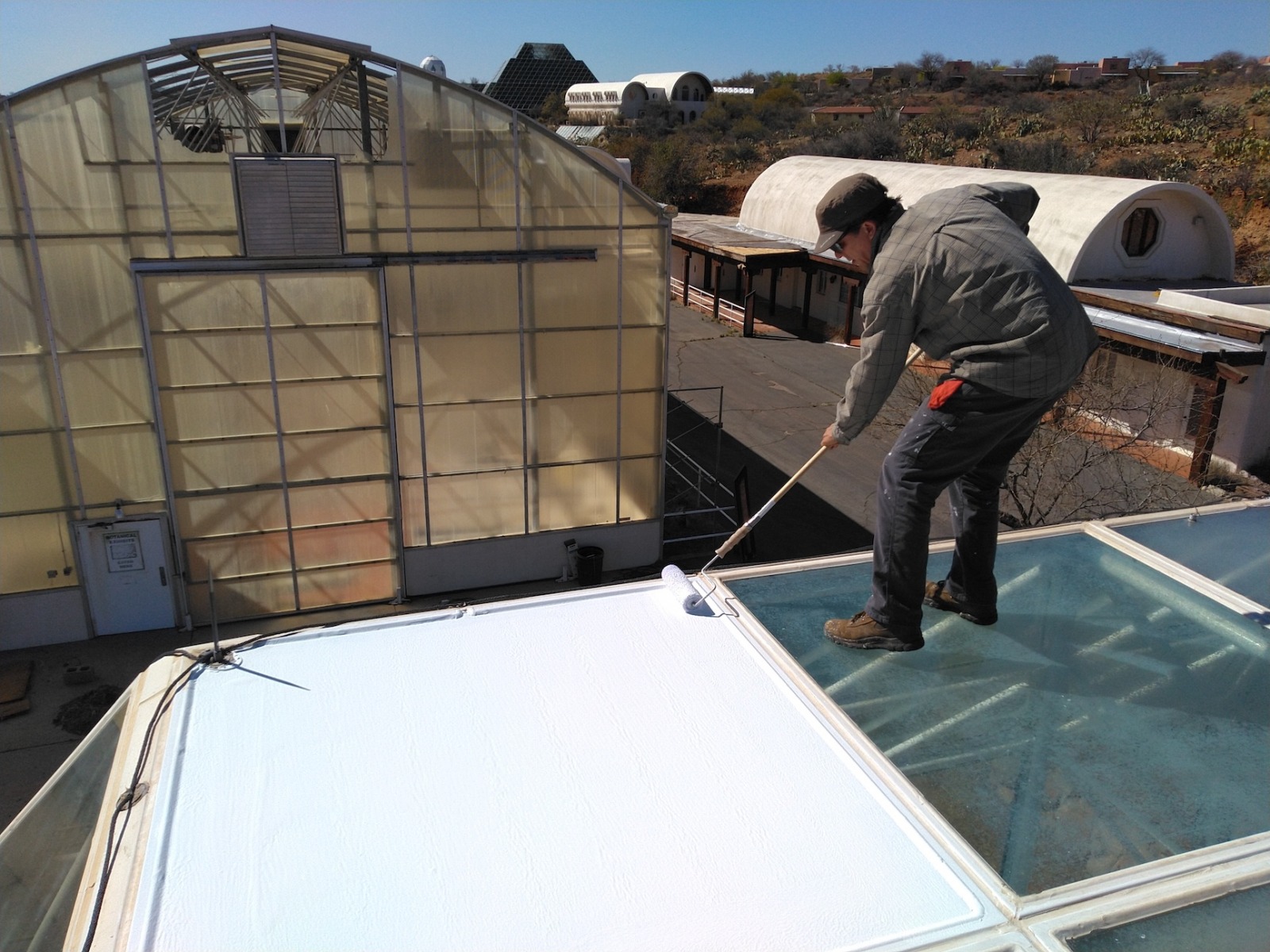
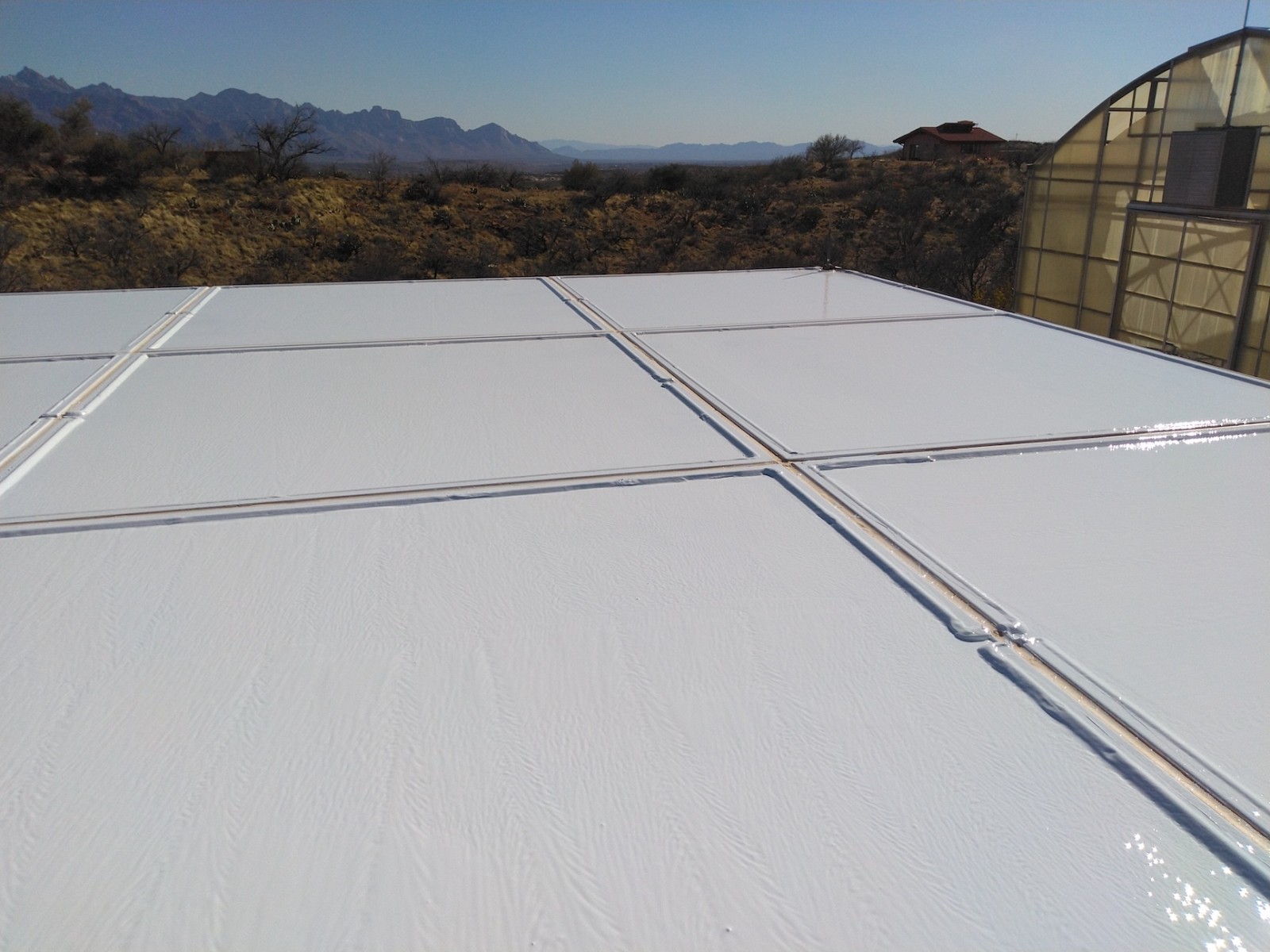
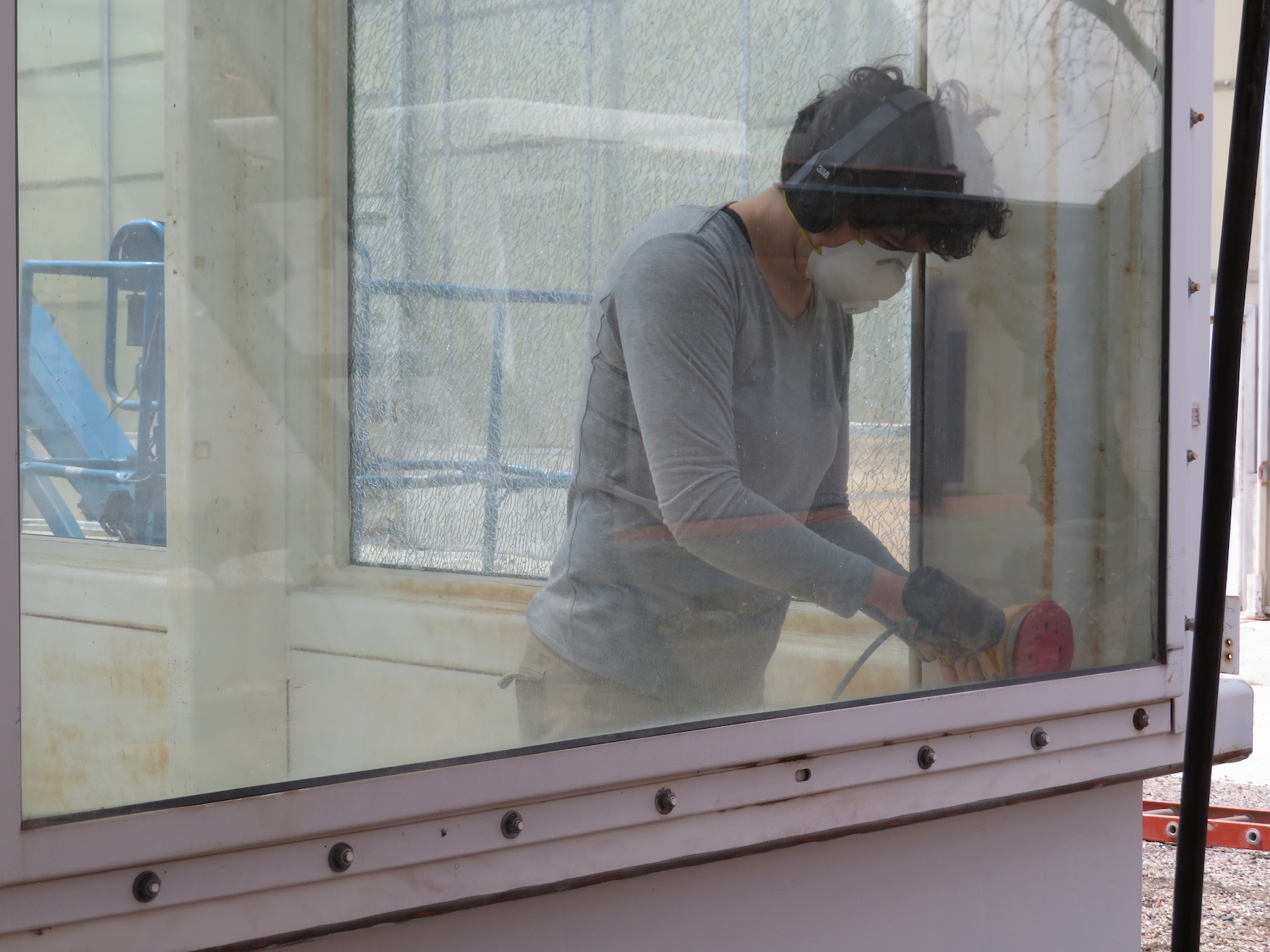
 Six weeks have come and gone as though they were just a few days and at the same time a full year in the renovation of the Test Module at Biosphere 2 (B2). The first days were completely overwhelming, Trent and I covered cap to boot in dust, rust, and thirty years of grime. With the steadfast help of B2’s Tim and Terry, and three weeks effort by Cameron too, we moved beyond grinding, sanding, and cleaning to the tipping point of starting to put the Test Module back together again.