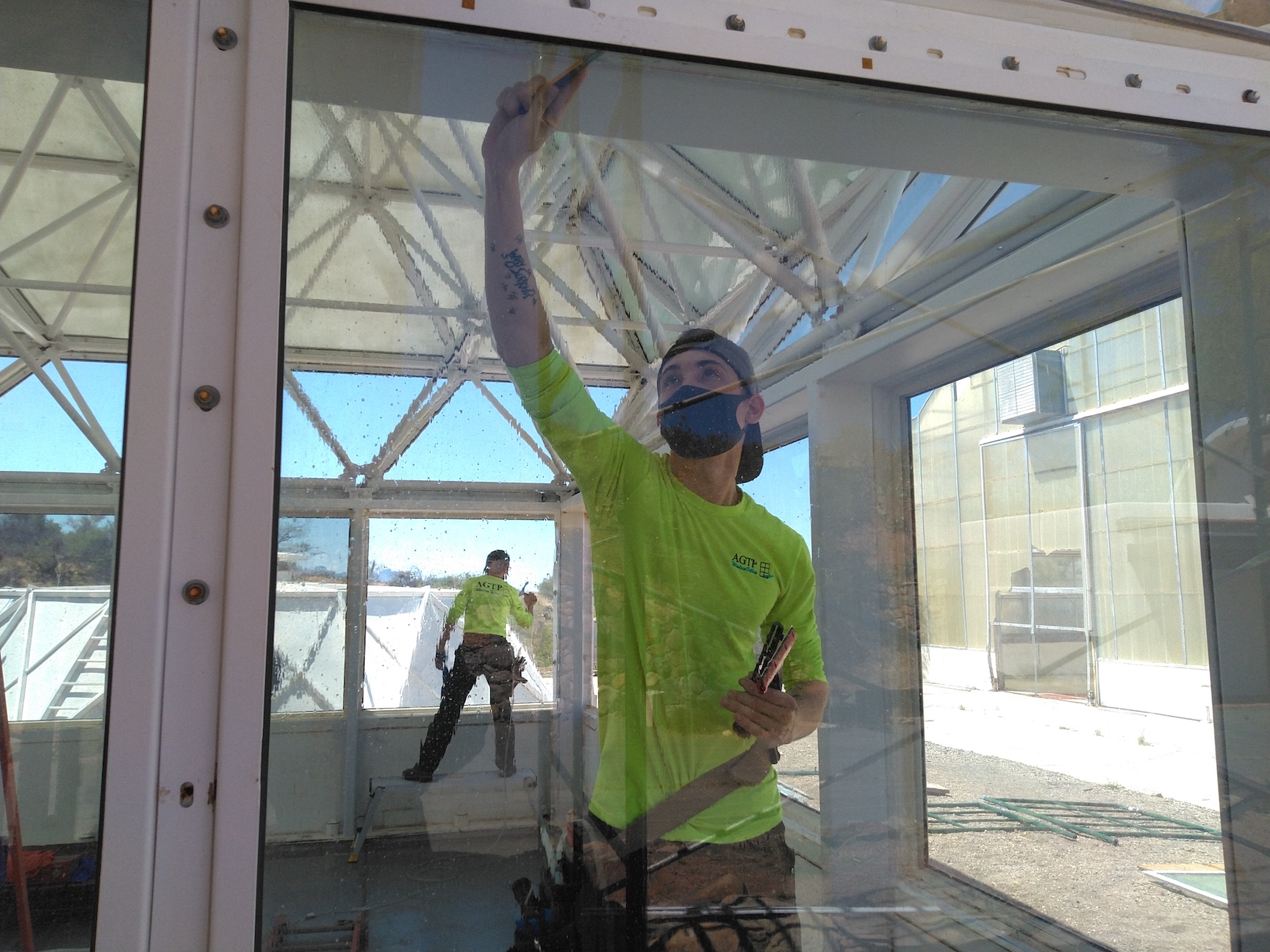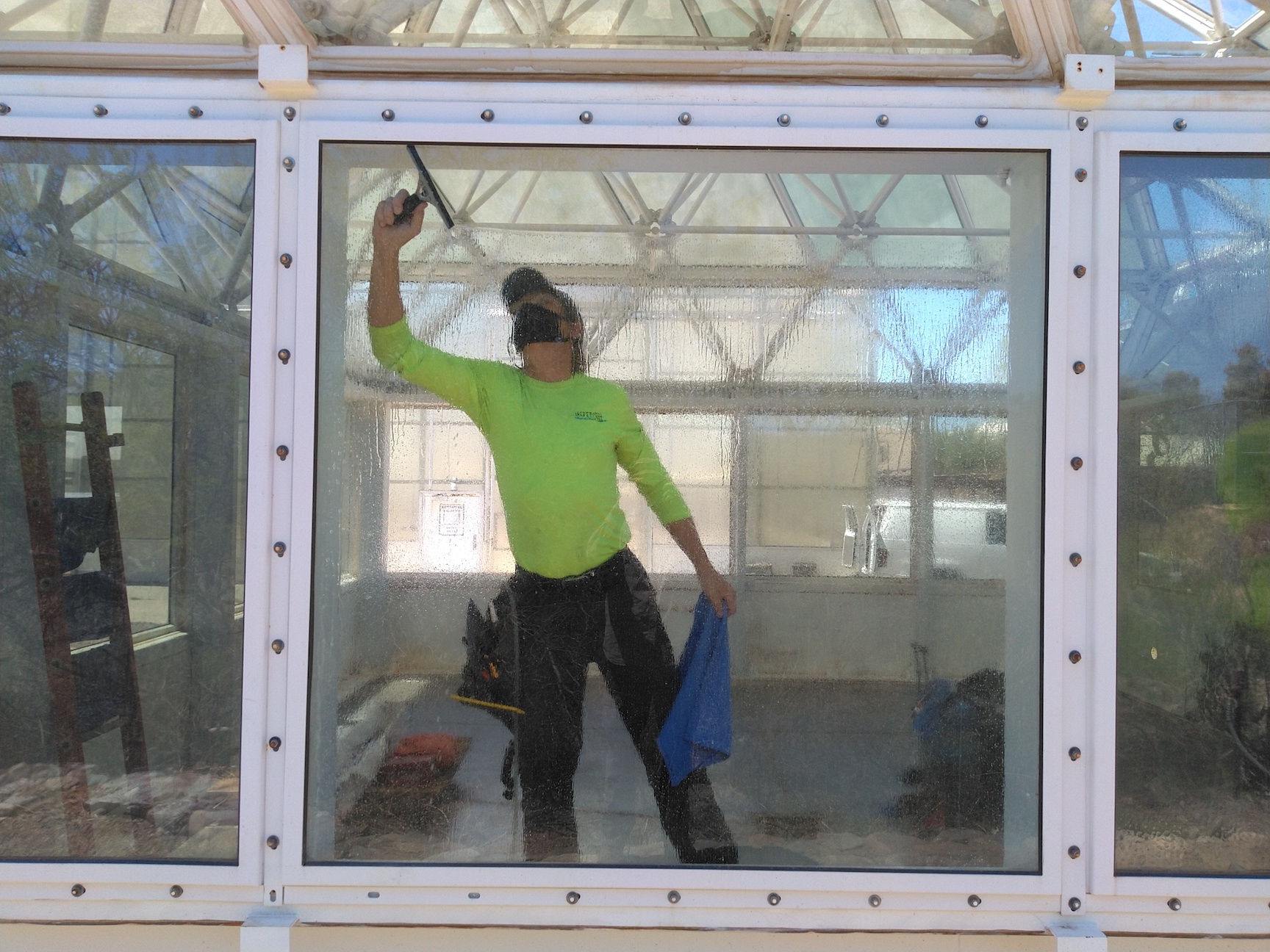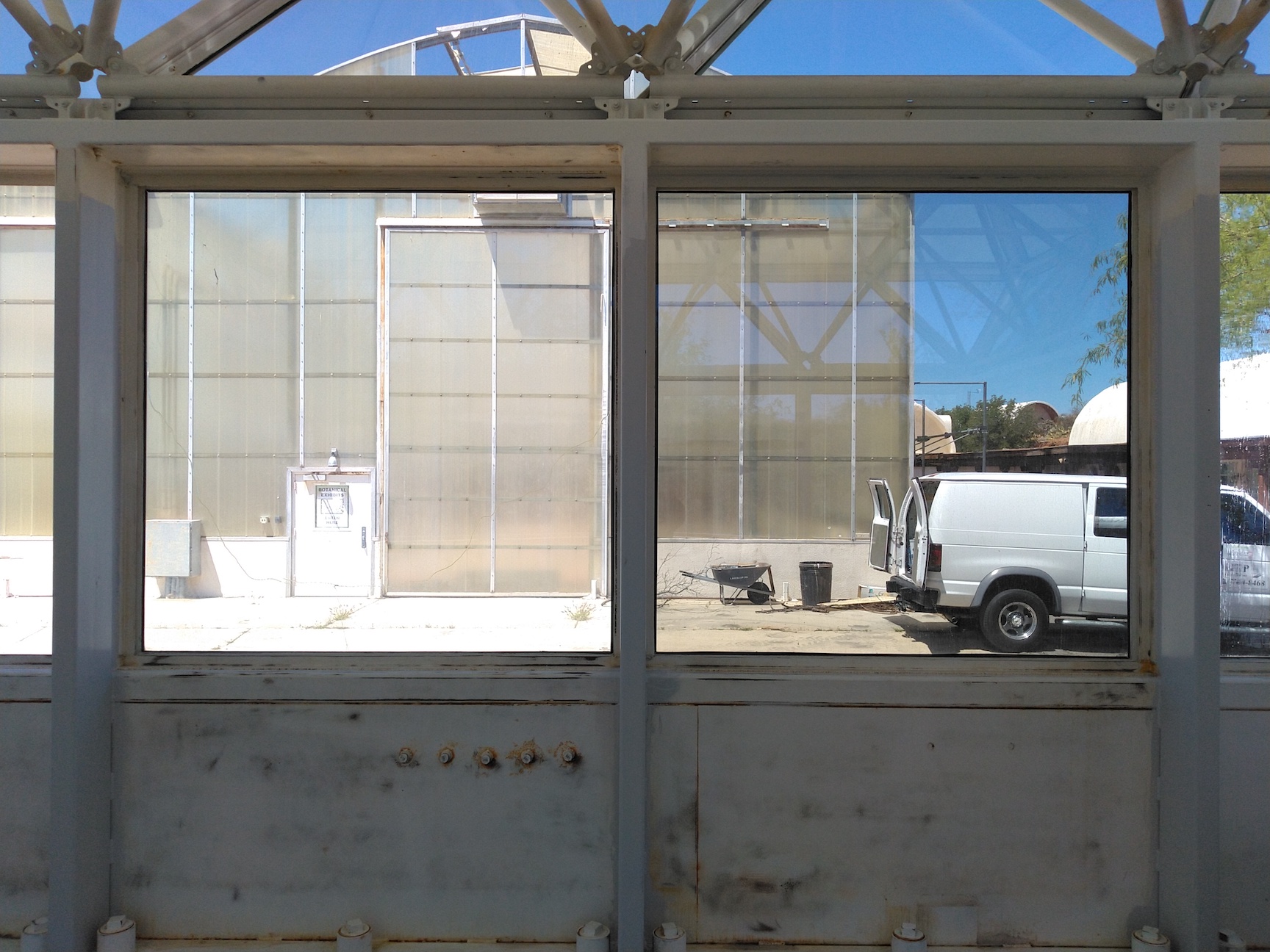

SAM Construction – From Red Sands to Red Planet
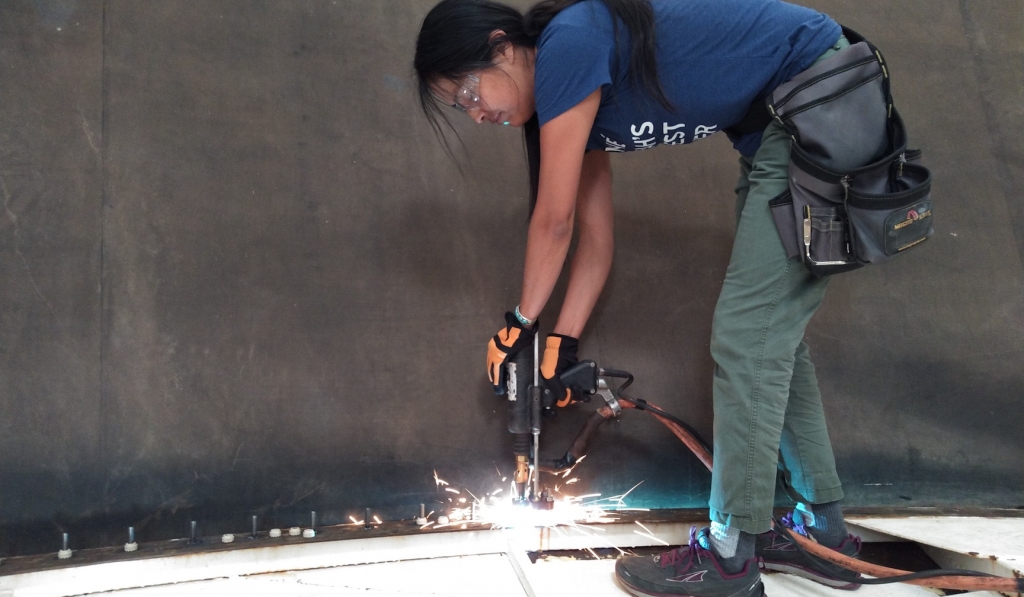
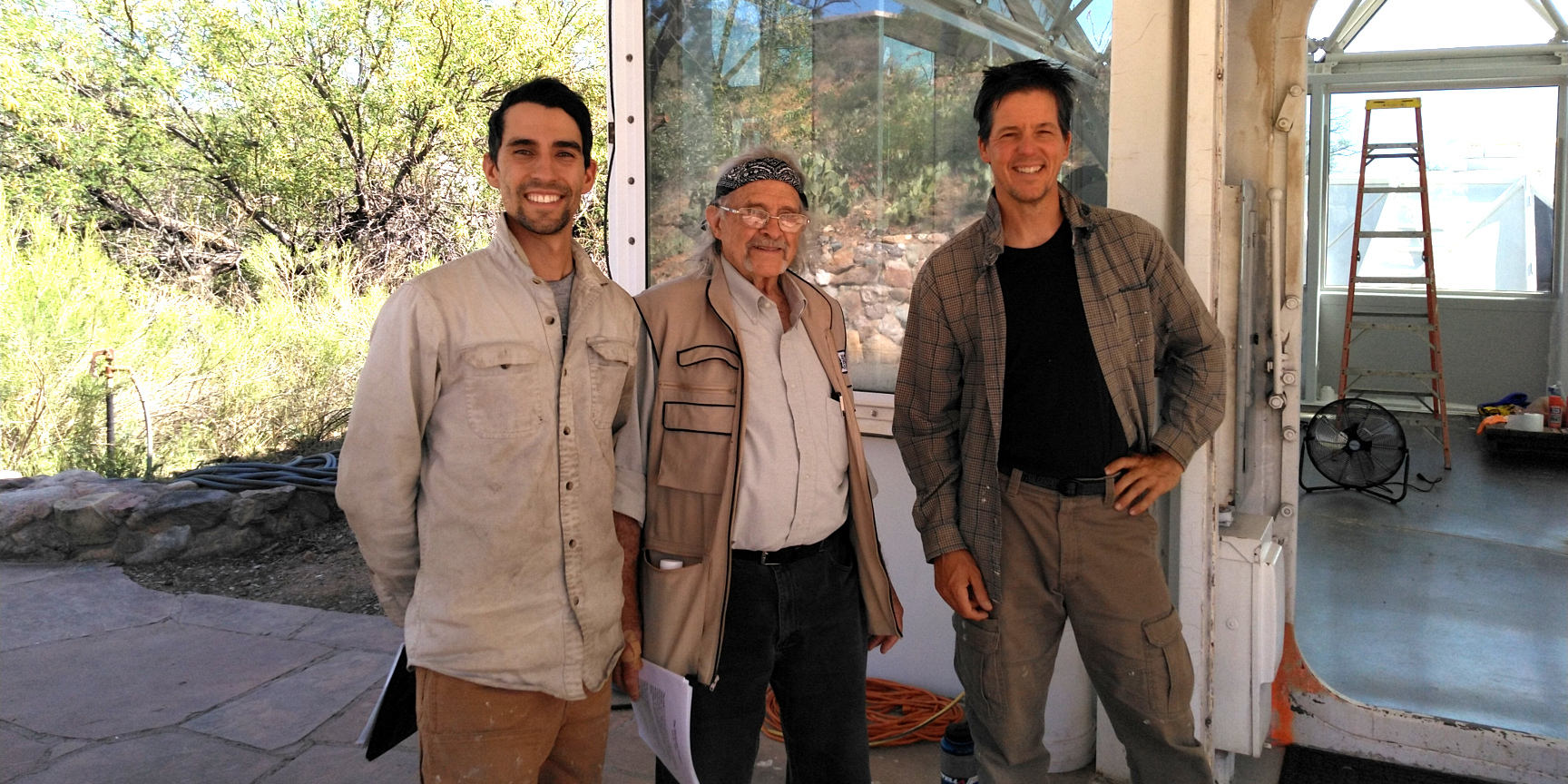
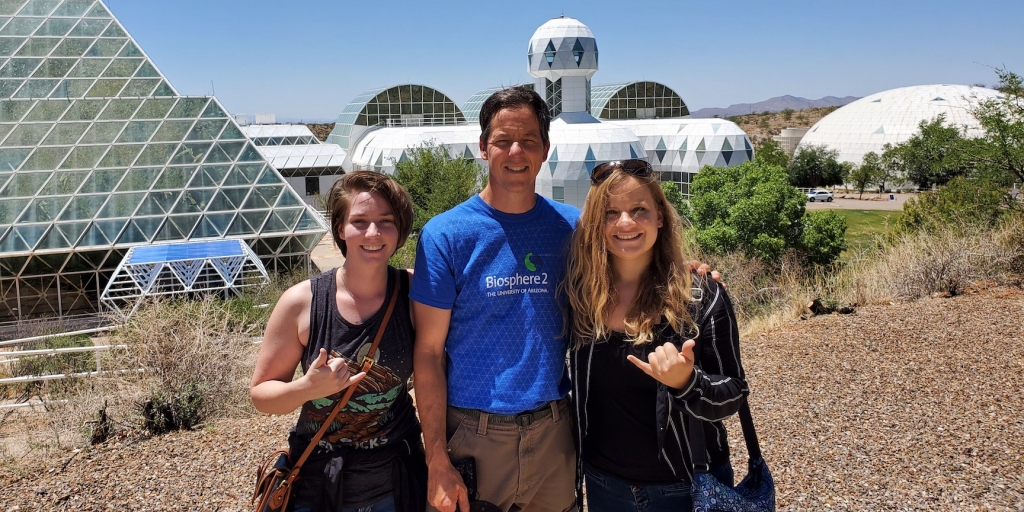
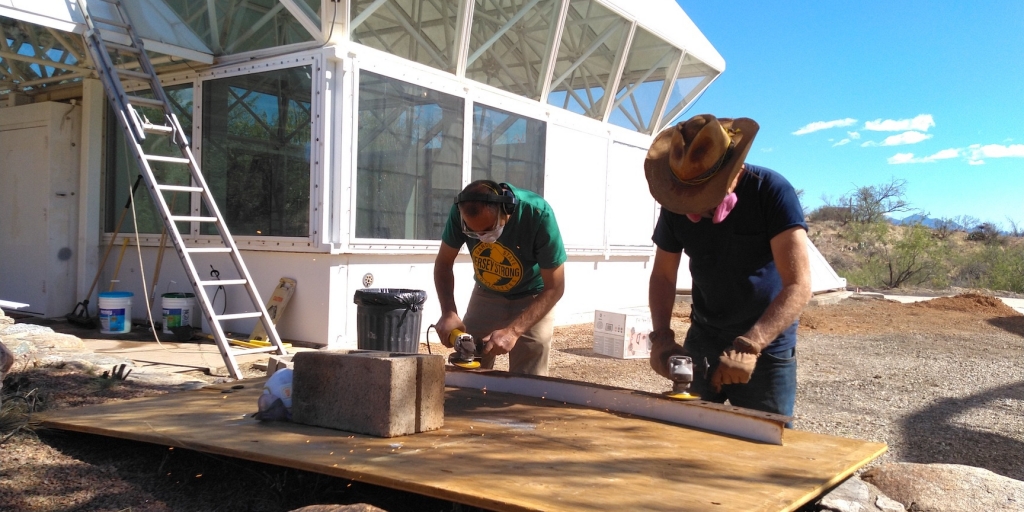
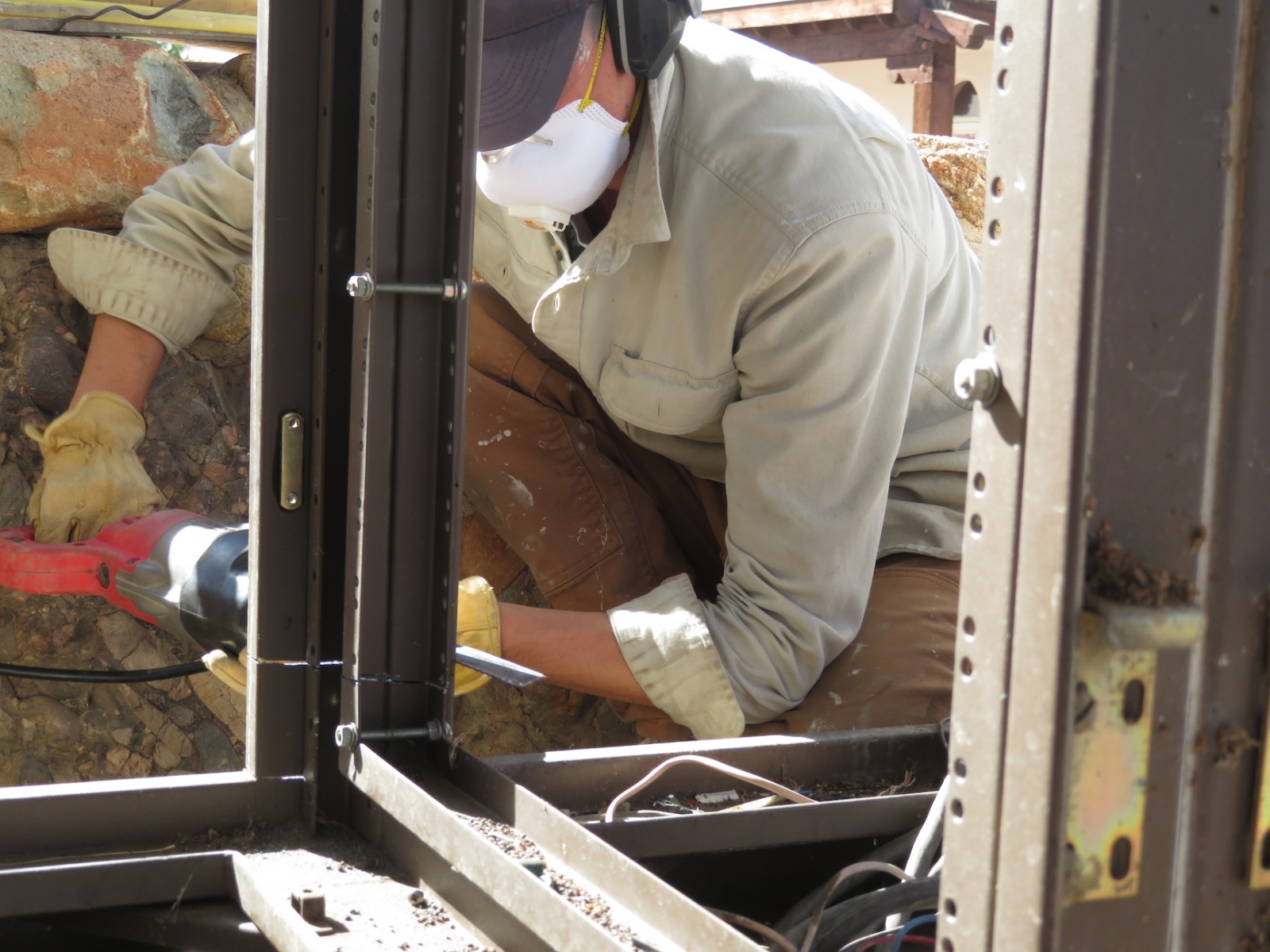
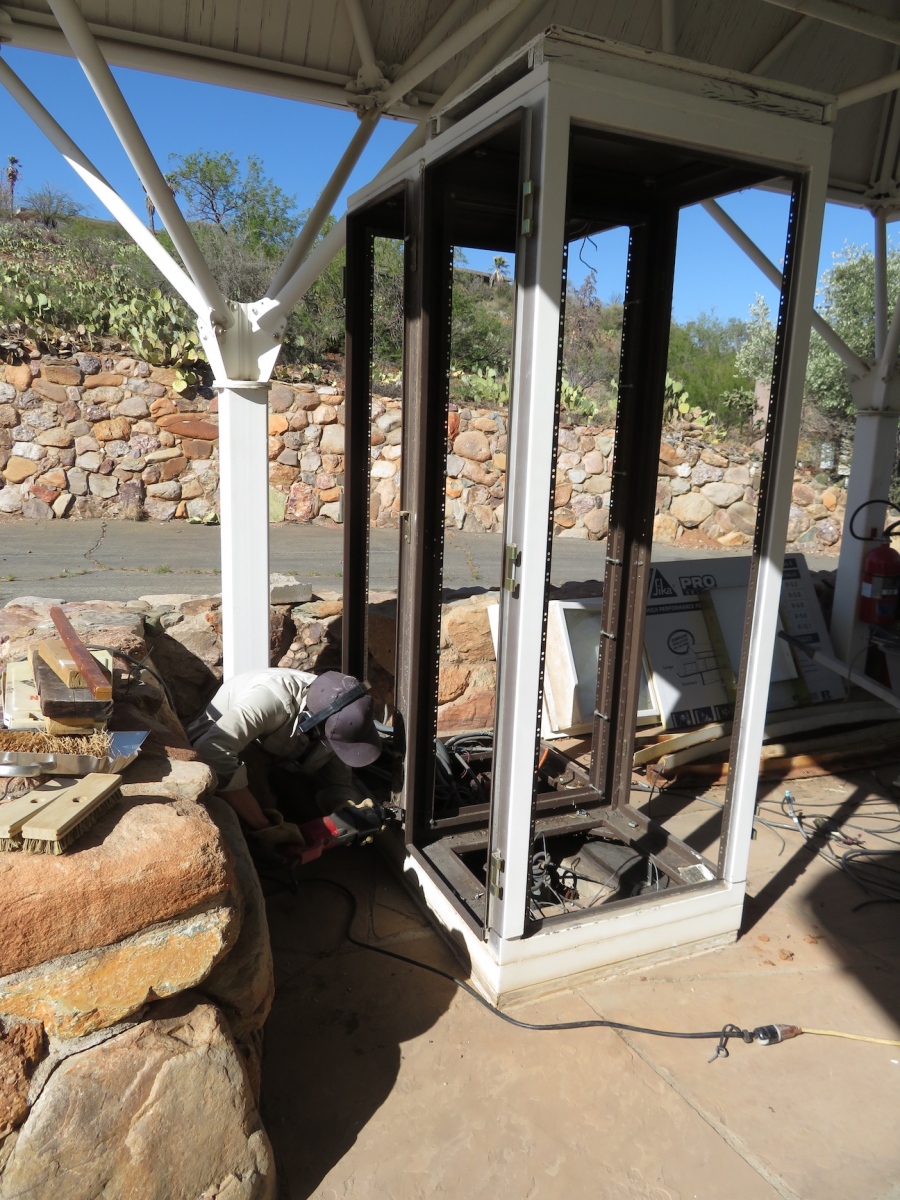
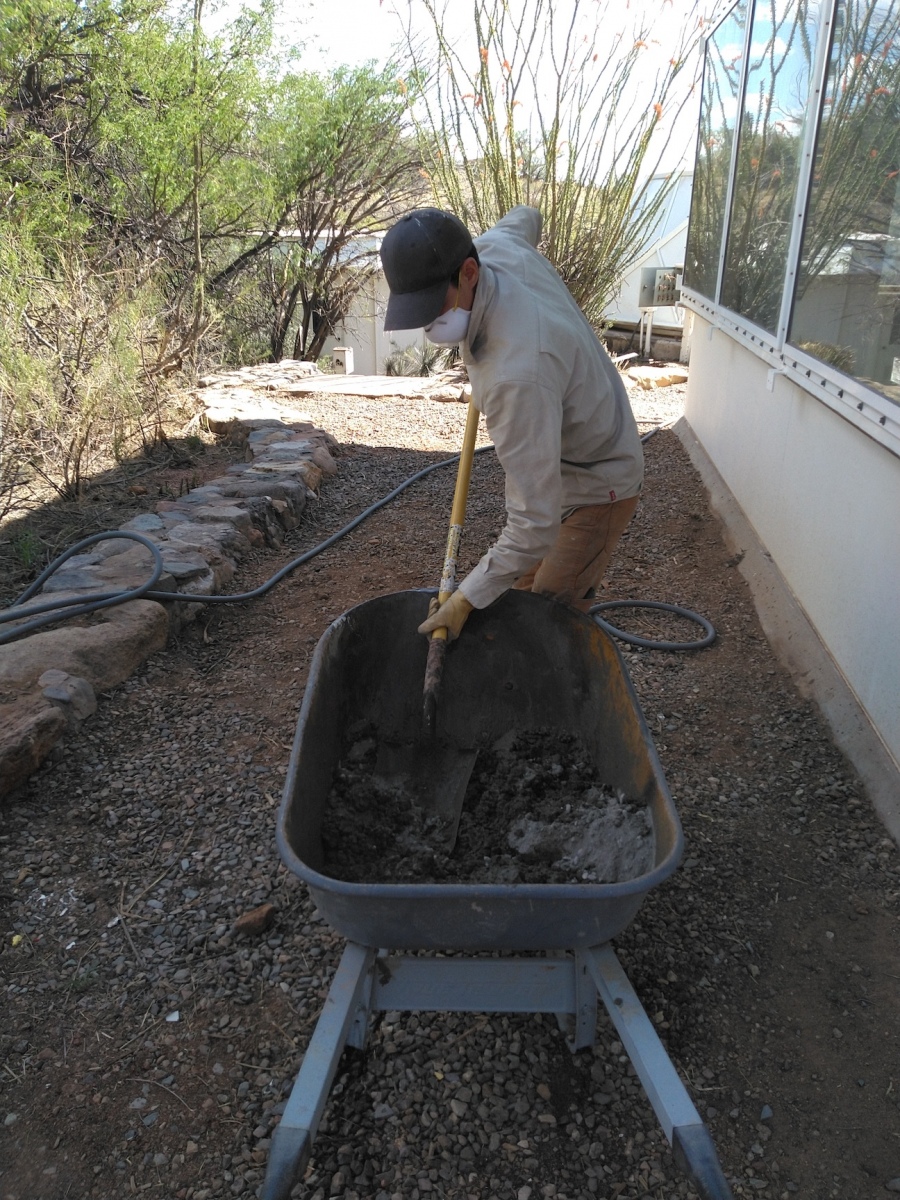
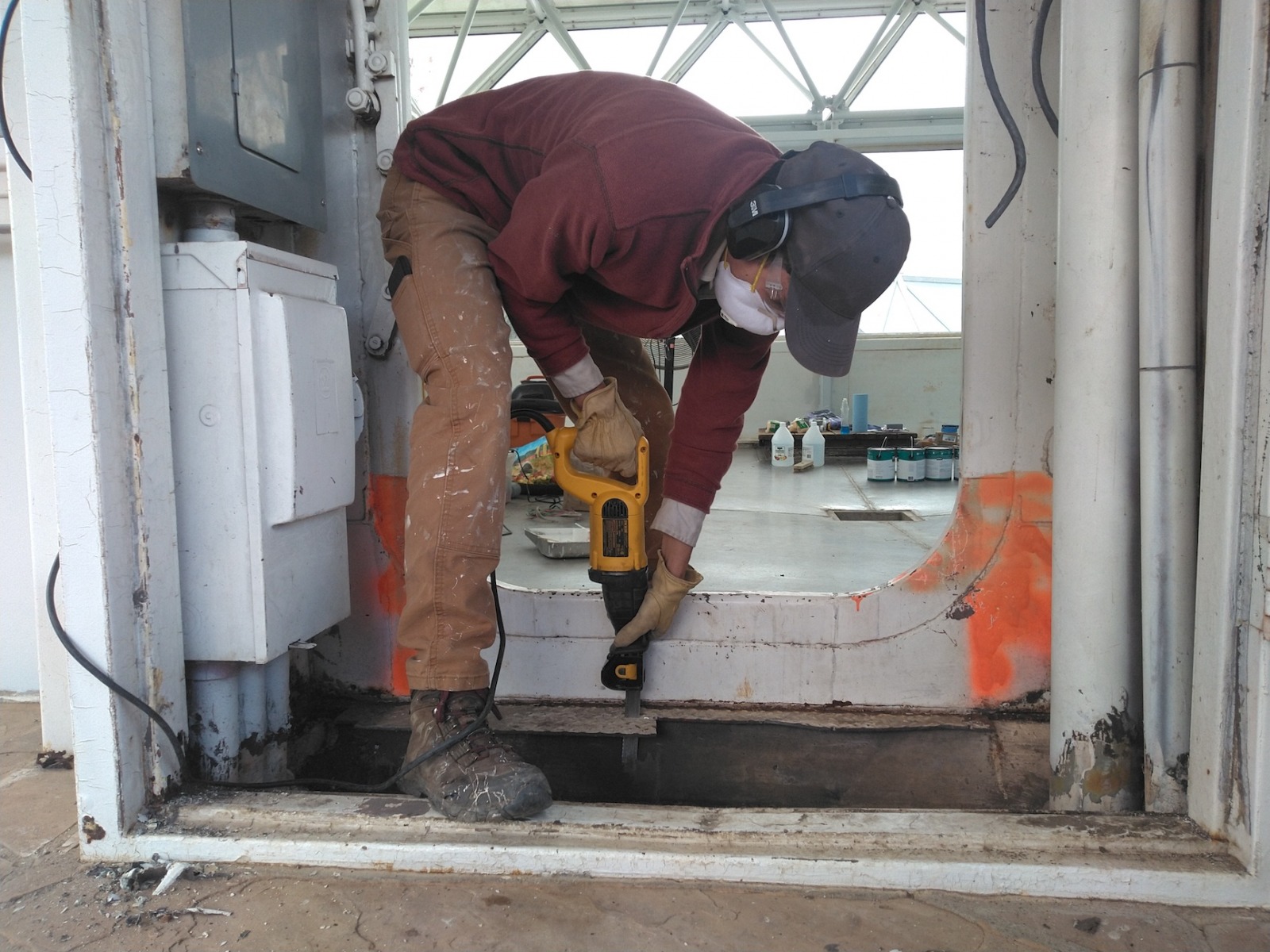
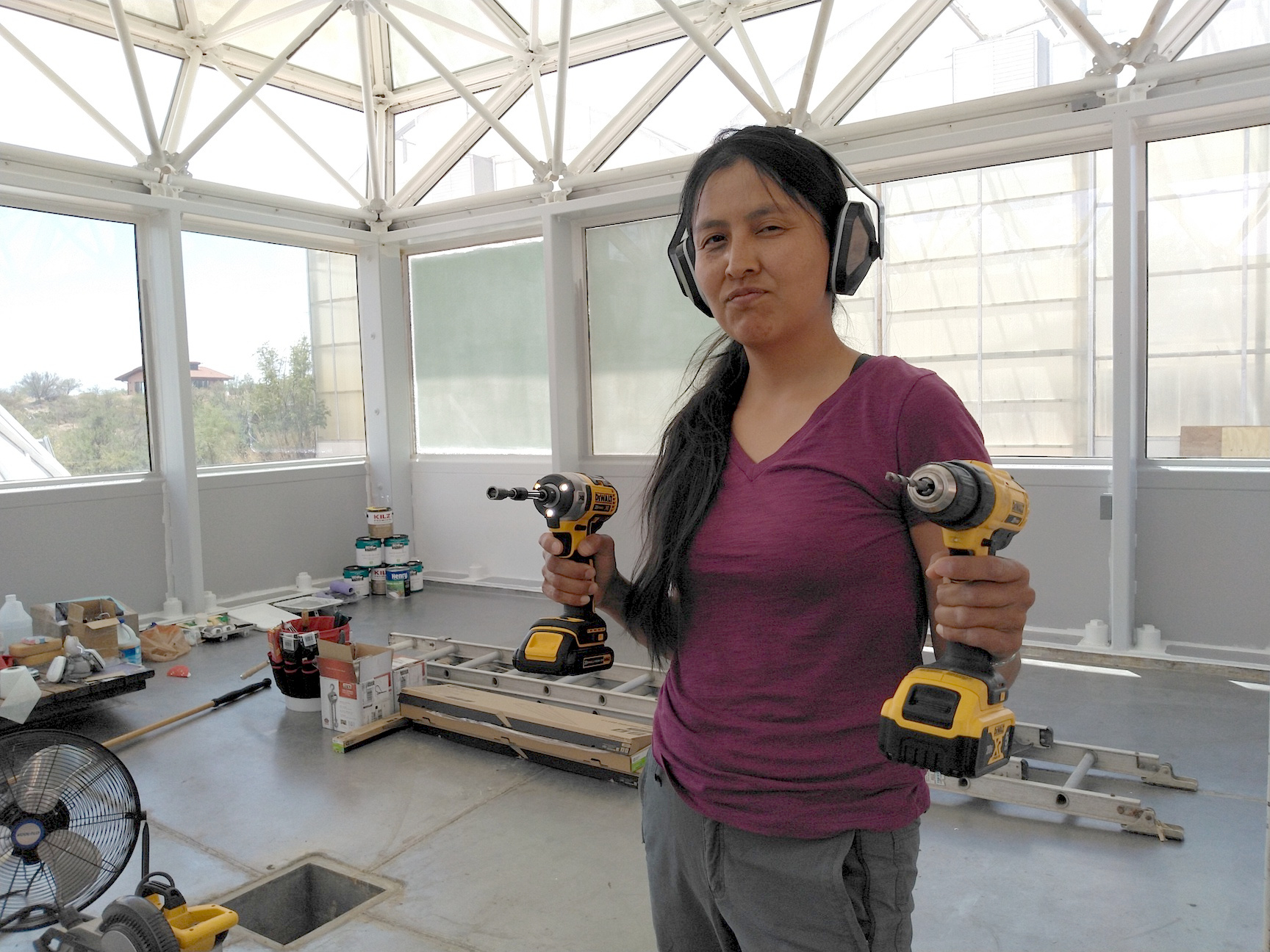
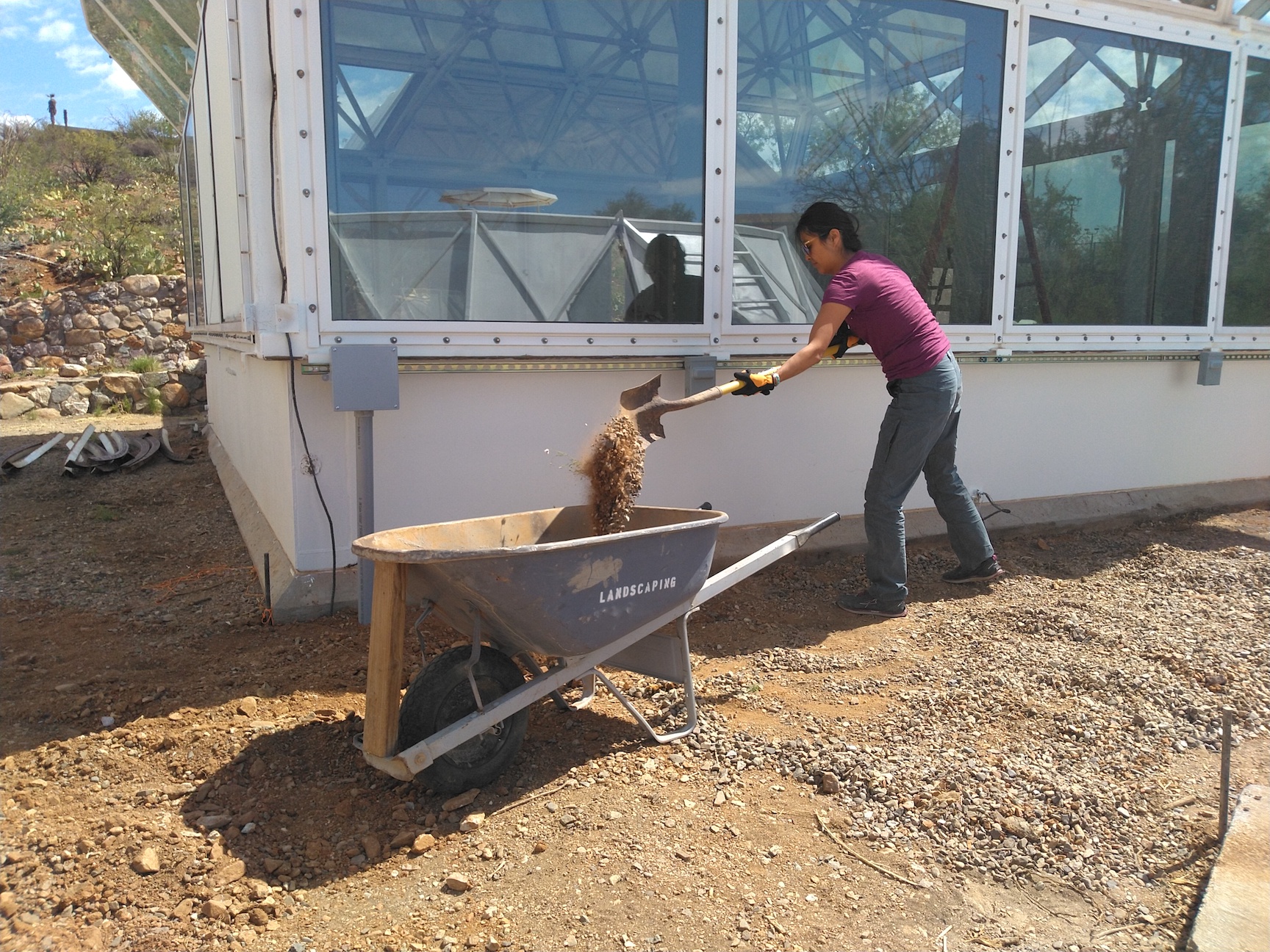
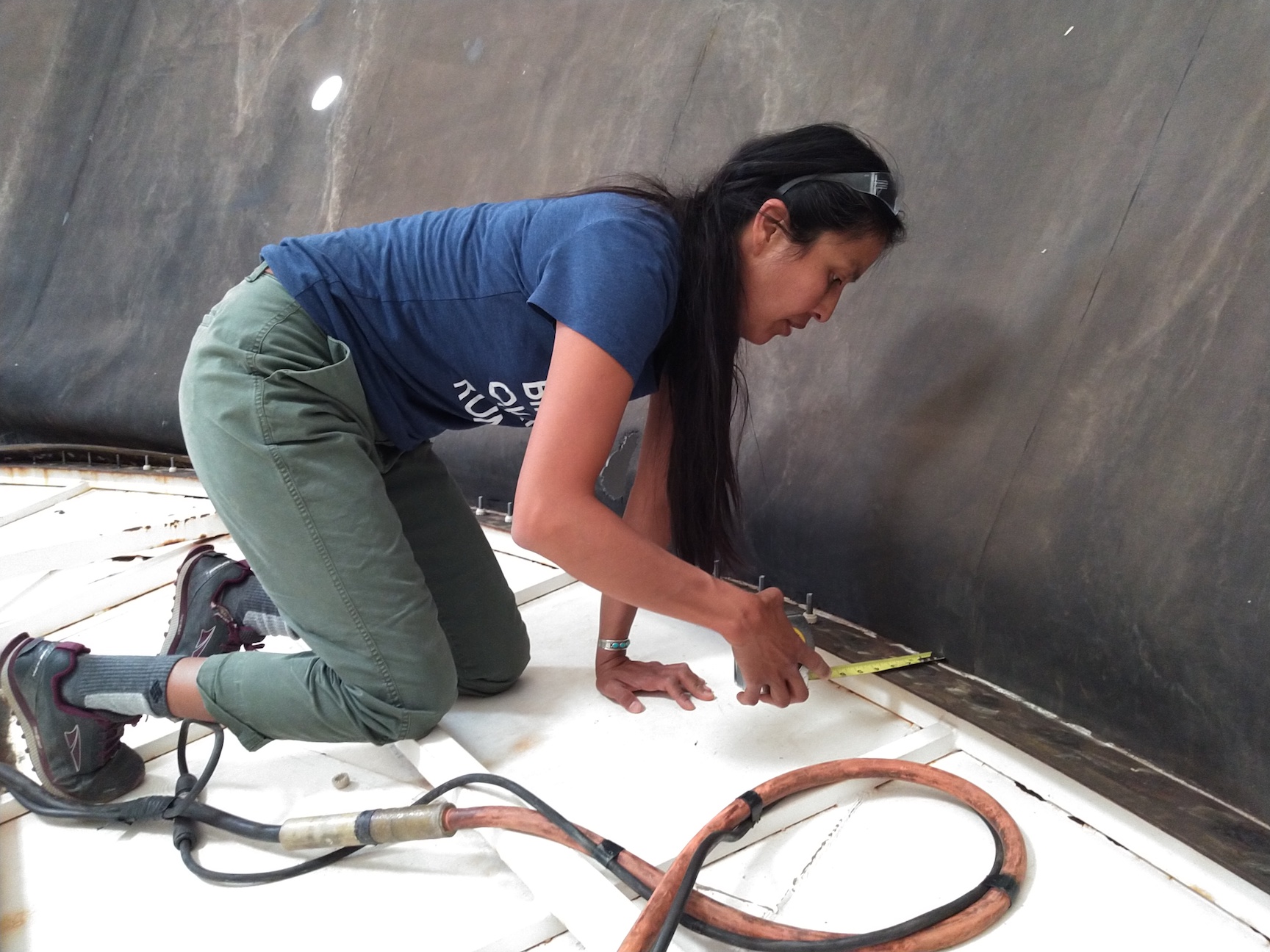
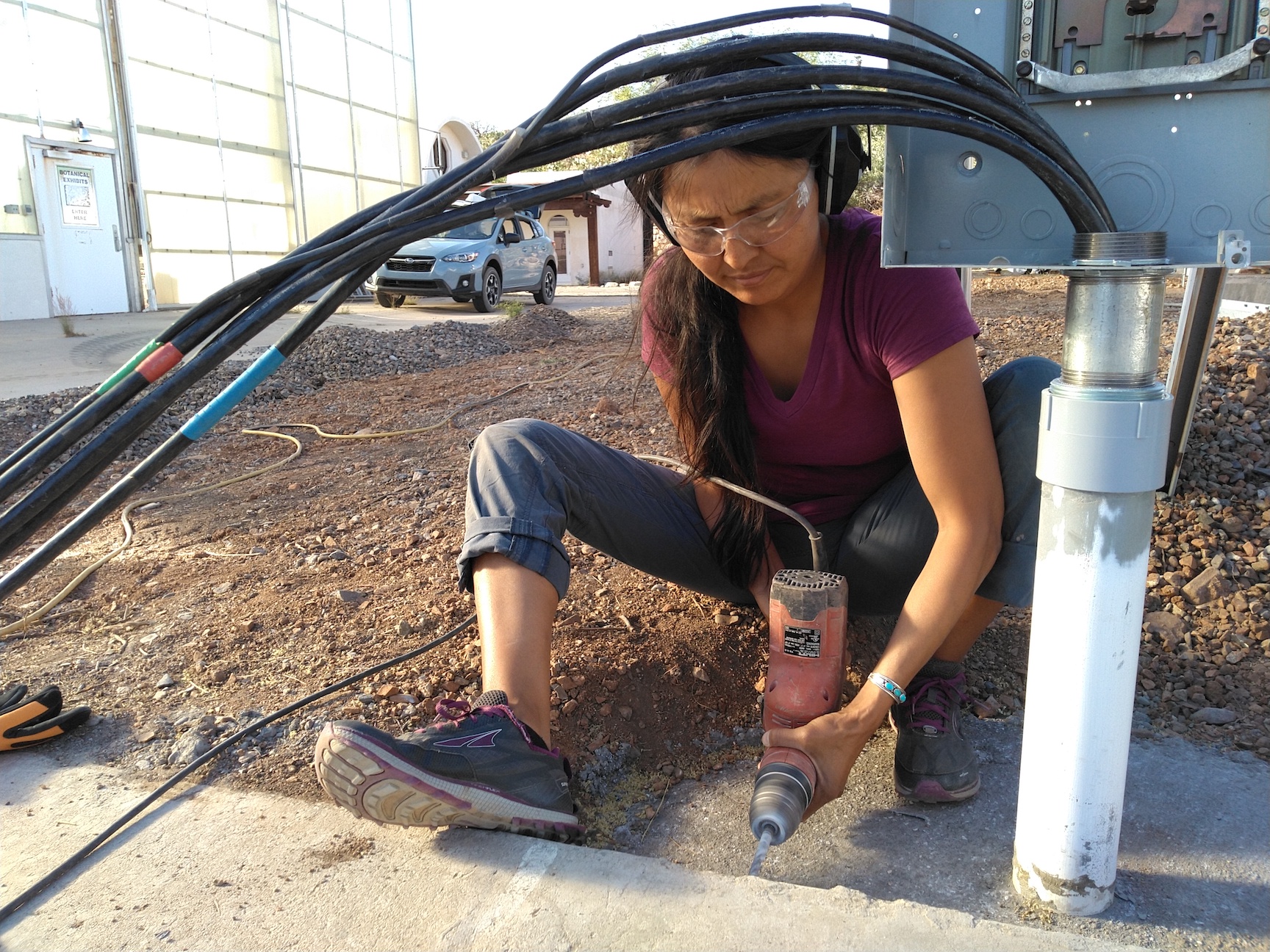
This week Colleen Cooley, MSc visited SAM from the Diné Bikéyah (Navajo land) of the four corners region of Arizona, Utah, Colorado, and New Mexico. Colleen brought her tenacity for detail, creative solutions, fearless engagement of physical labor and stimulation for good conversations.
A raft guide of more than a decade Colleen is a consultant, volunteer, and advocate for various not-for-profit conservation organizations that work to find sustainable solutions to protect land, air, and water in the American Southwest. She brings a keen awareness of “water is life” in a region of our country that is only drying year after year. We discussed how as with the original Biosphere 2 our effort to build a hermetically sealed habitat for bioregeneration helps prepare us for living on another planet while at the same time informs how we can improve our interaction with our first home, here on Earth.
So much of our modern psyche is built on the false narrative that “technology will save us” when in fact our personal actions and life style choices (for those of us privileged to choose a “life style”) are what got us in this mess in the first place, but can help us move to a more sustainable future.
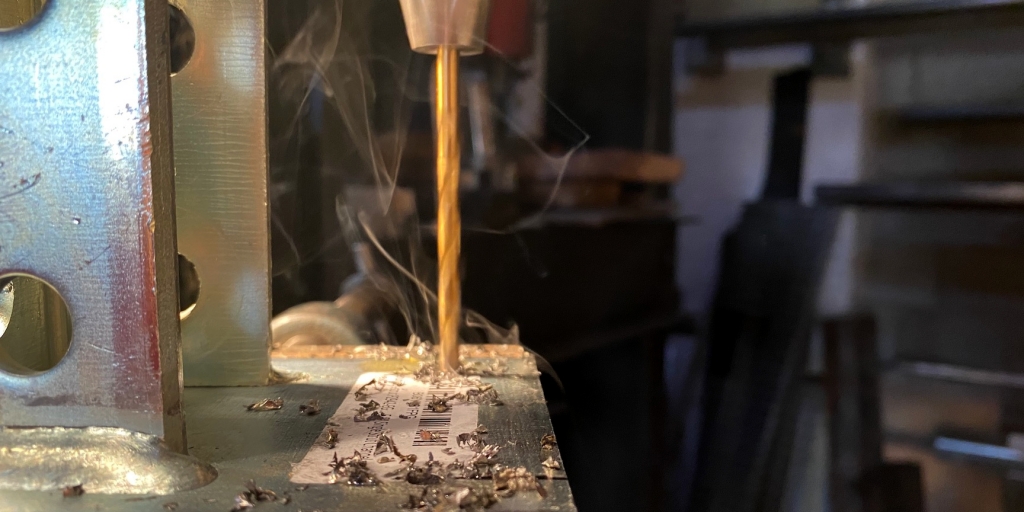
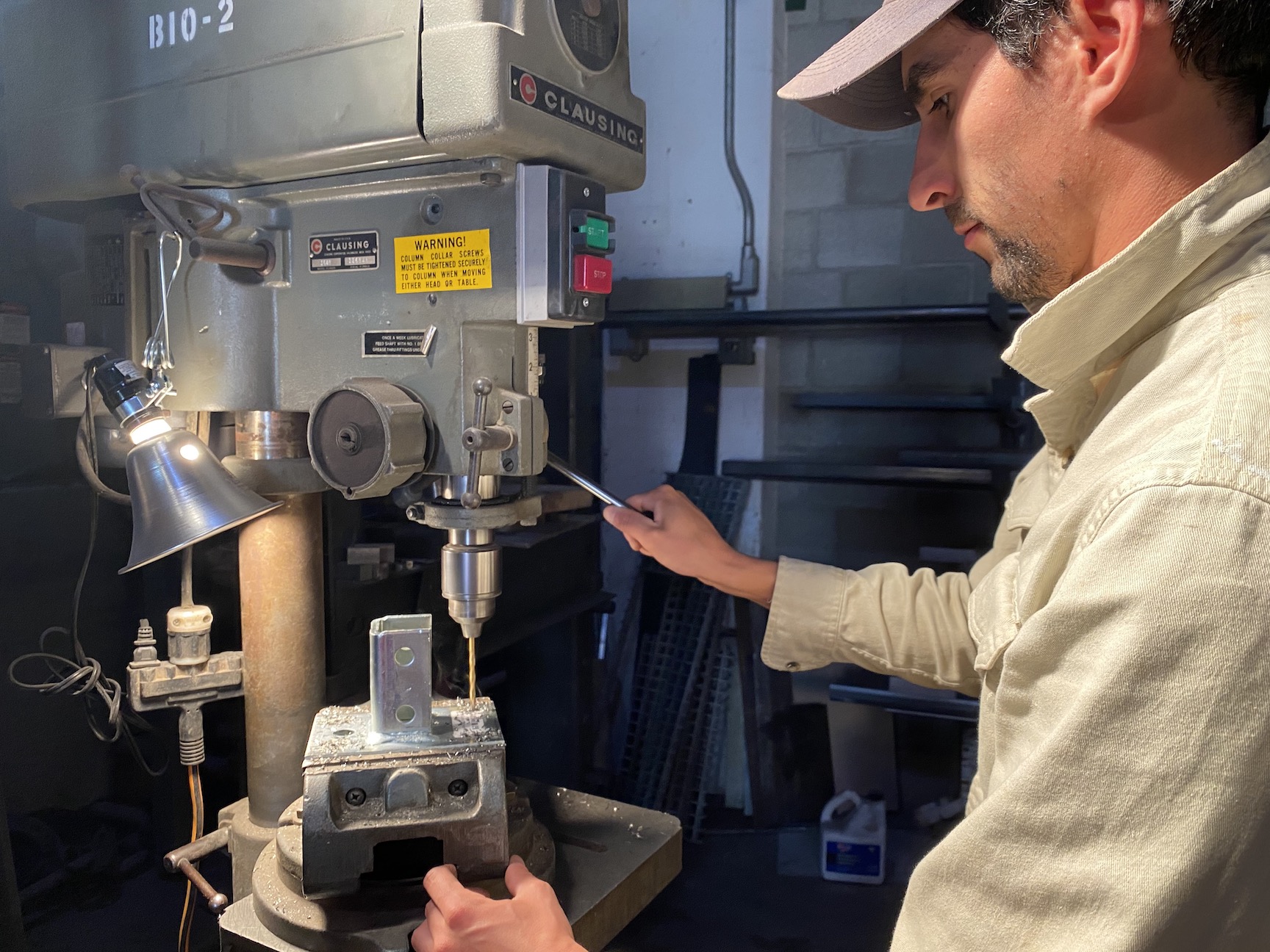
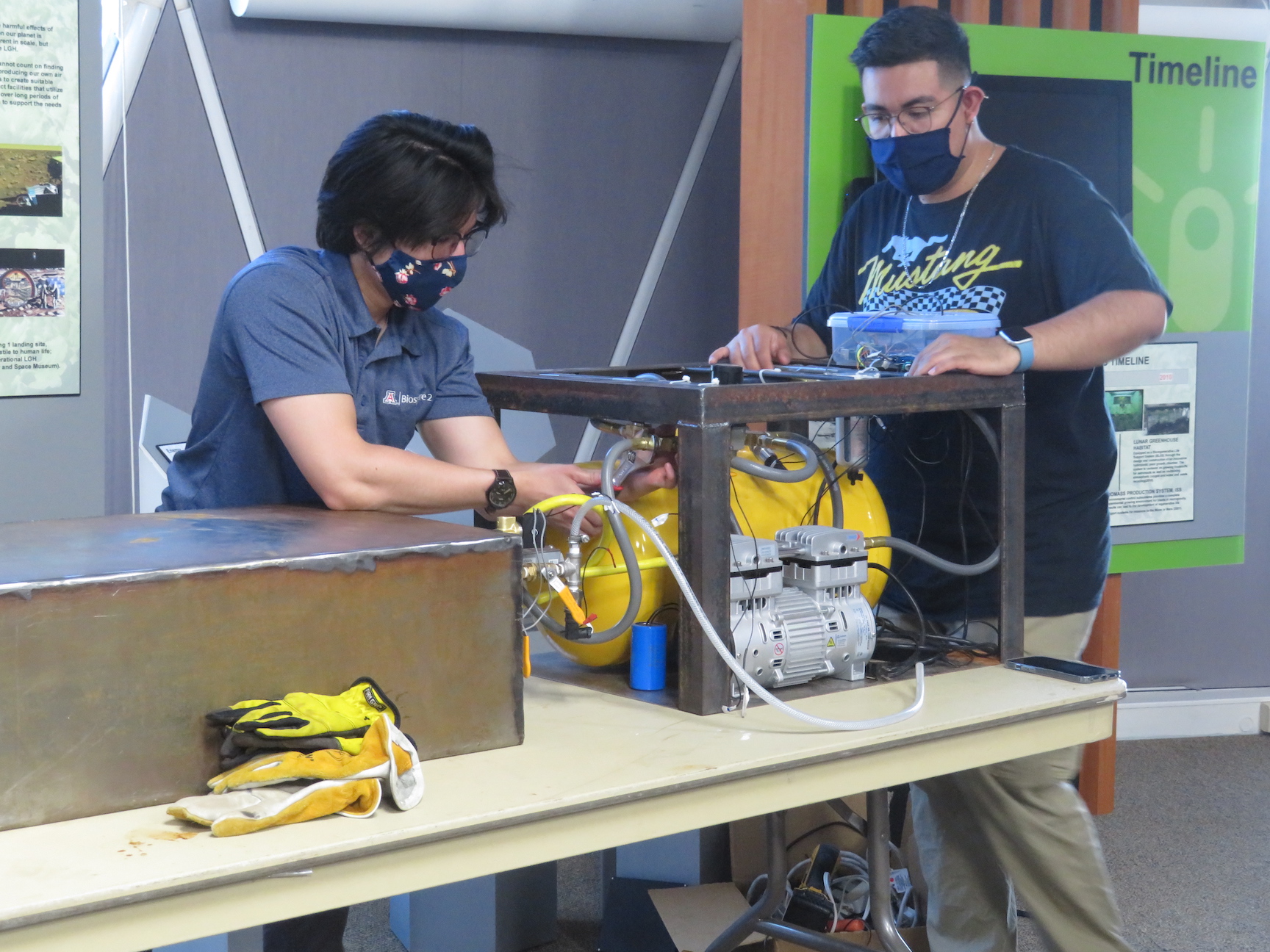
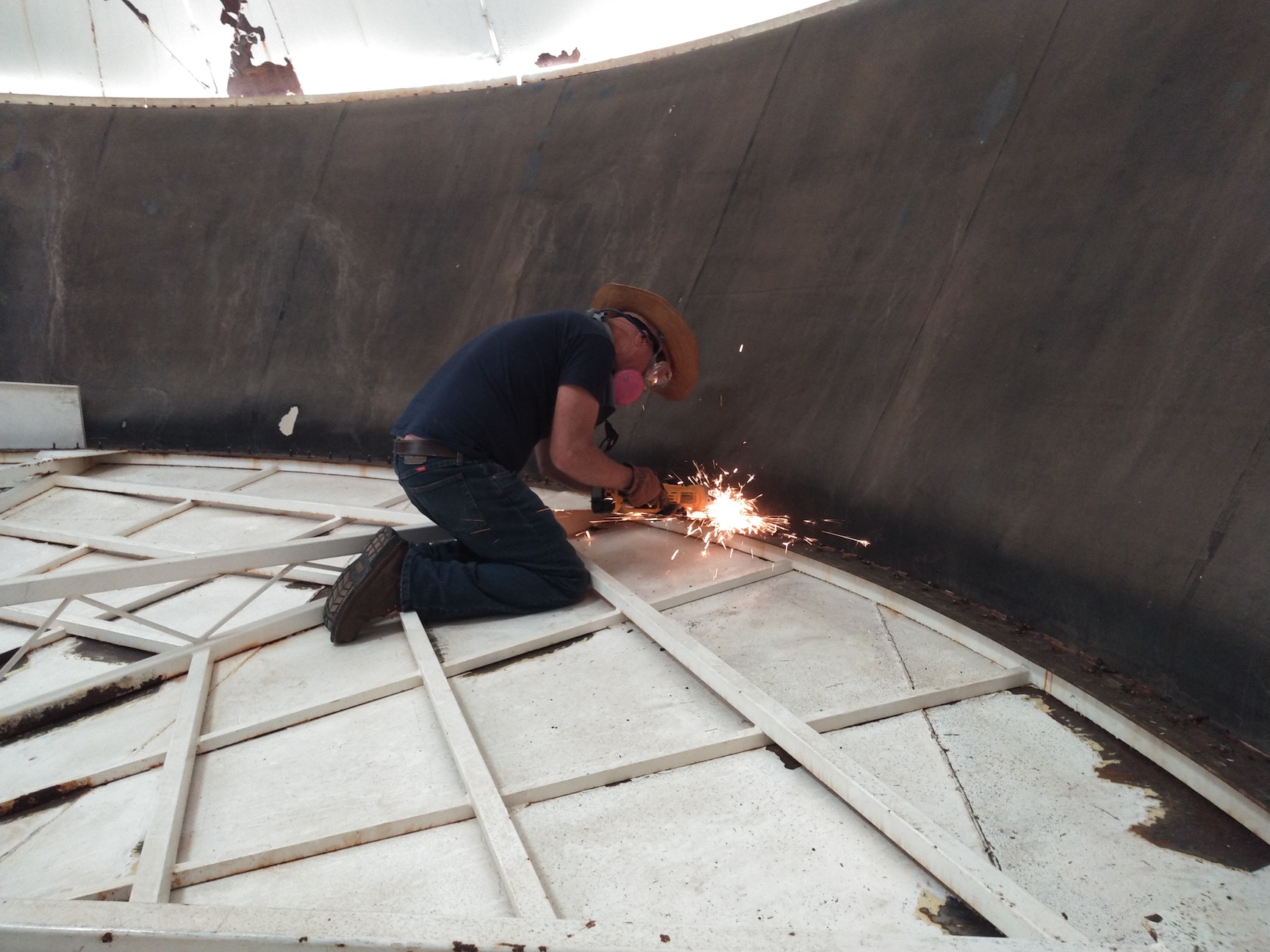
In her time volunteering at SAM, Colleen was immediately a member of our team, exclaiming “Let’s get it done!” when we entered the lung by headlamp (at 9 pm) to conduct our first stud welds, something none of us had experienced before. Thank you Colleen for five days of shoveling, drilling, welding, and motivation!
Colleen is featured in a short documentary called “Water Flows Together” that reminds us of the importance of water conservation and protection, for everyone.