
Yearly Archives: 2025

New SAM Team page

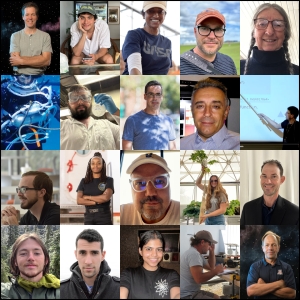
SAM Team montage

Since January 2021 the SAM team has grown from Kai Staats and Trent Tresch and a host of volunteers to an international cadre of staff members who contribute a wealth of knowledge, experience, skills, and motivation to bring to life an advanced research center for human space exploration.

Visit the all-new SAM Team page

By |2025-05-05T18:13:20+00:00April 25th, 2025|Categories: Research & Development|0 Comments

Newly bred compact tomato offers potential for vertical farming

Kai Staats and Changbin Chen in the Test Module of SAM at Biosphere 2

In an era defined by climate volatility and resource scarcity, researchers are developing crops that can survive — and thrive — under pressure.

One such innovation is the newly released tomato variety “Desert Dew” bred by Changbin Chen, associate professor in Arizona State University’s School of Life Sciences. More than just a tomato, Desert Dew represents a leap forward in sustainable agriculture, optimized for rapid growth, nutrient density and adaptability to extreme environments.

Read the full article …

By |2025-04-15T00:13:49+00:00April 14th, 2025|Categories: In the news|0 Comments

SAM IT room gets a coat of paint

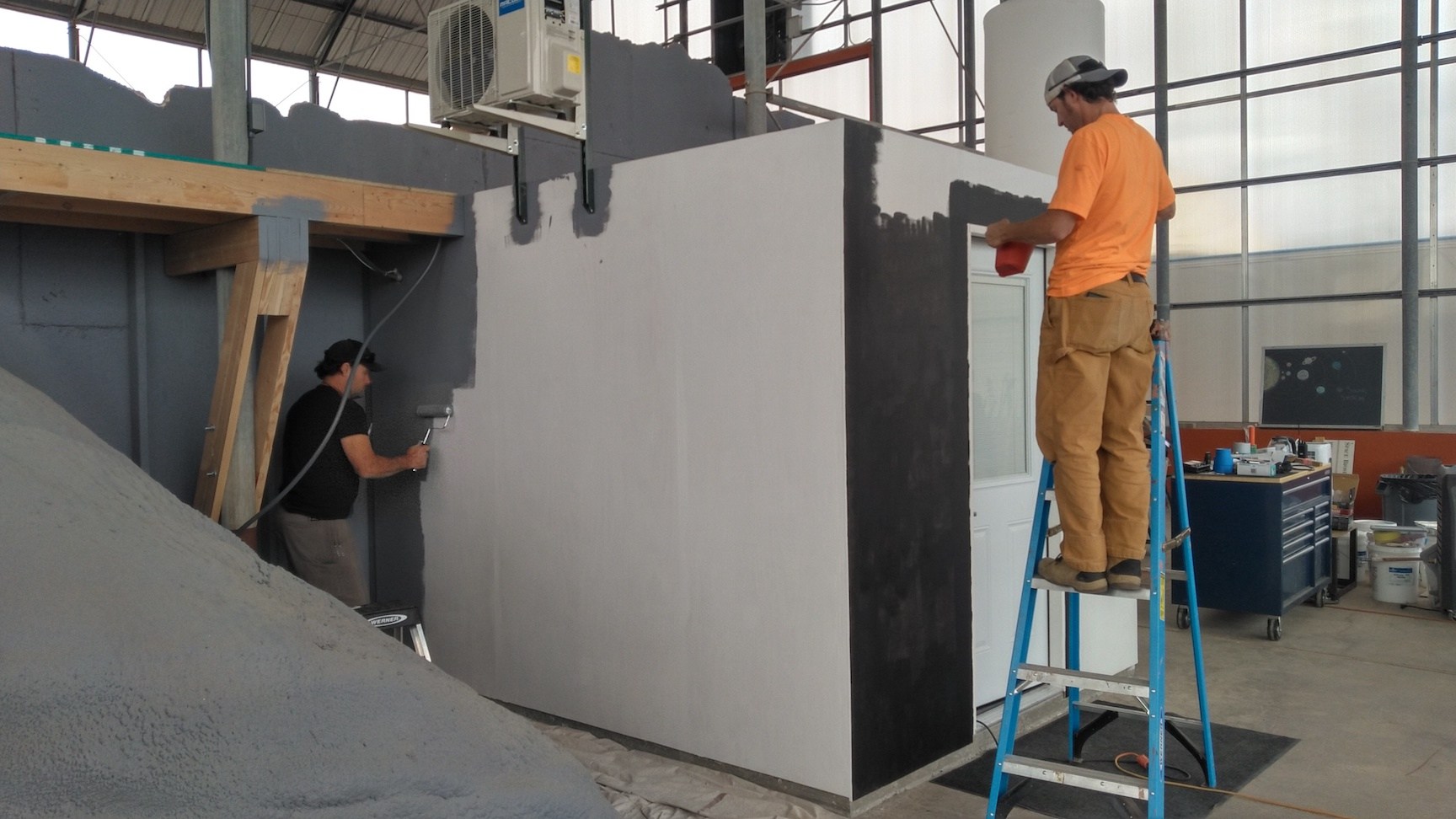
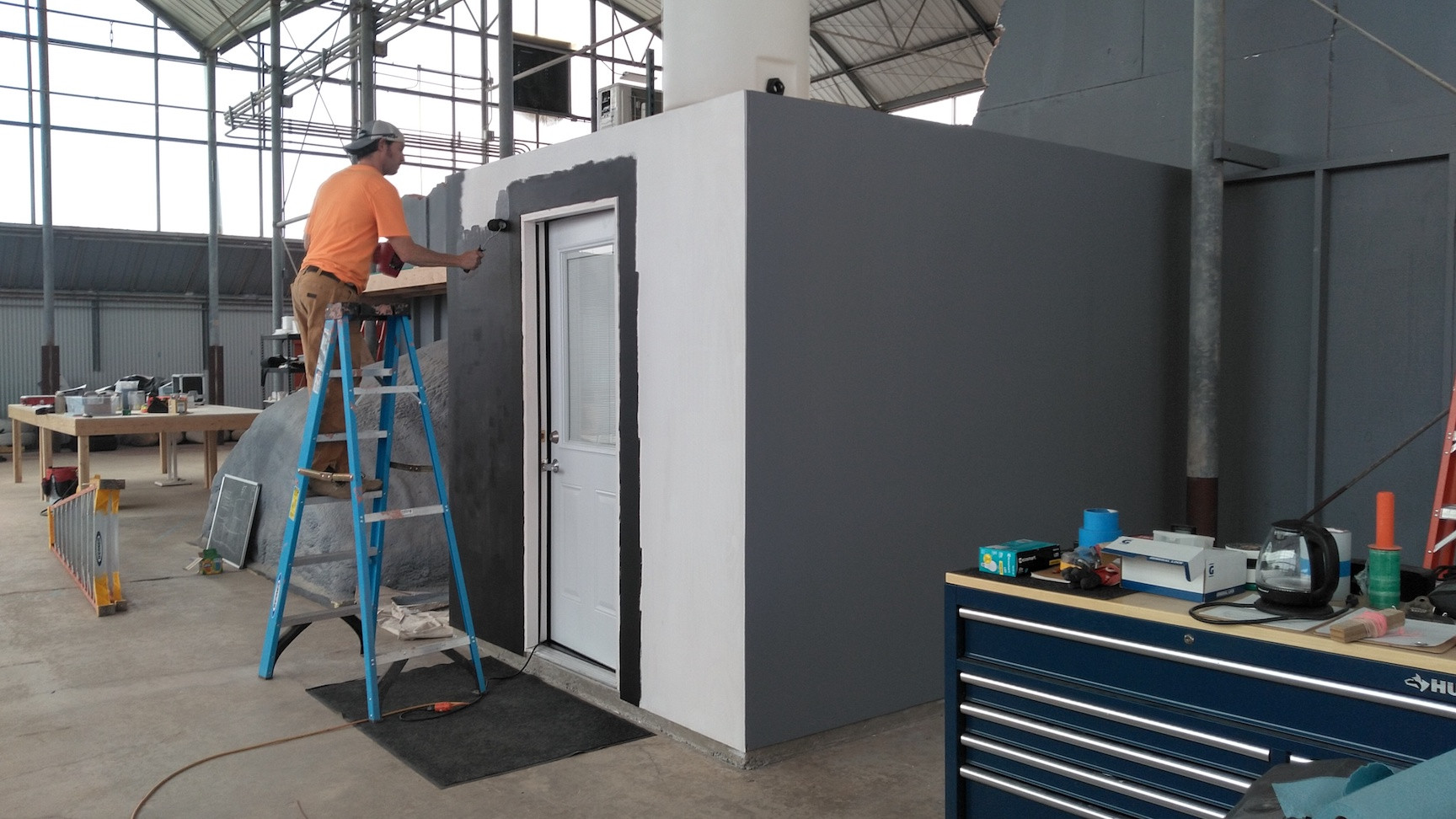
The IR room at SAM gets a coat of paint by Matthias and Nathan

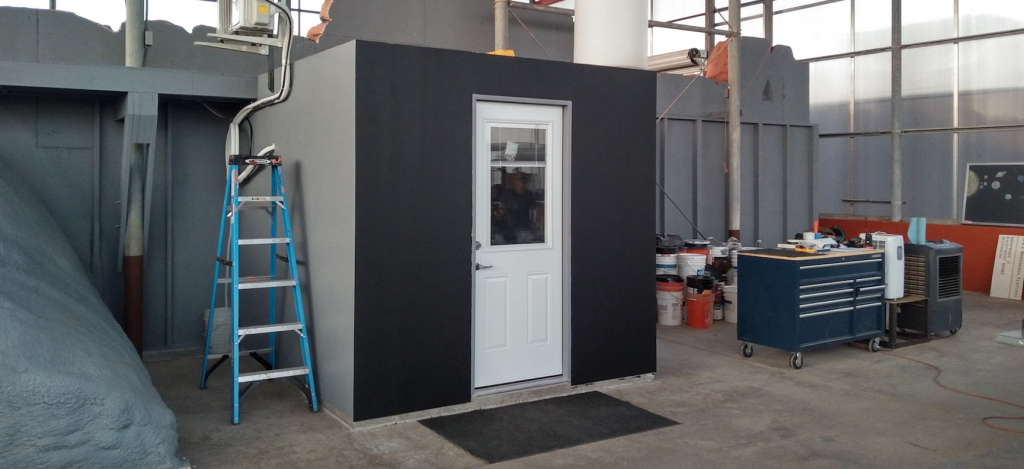
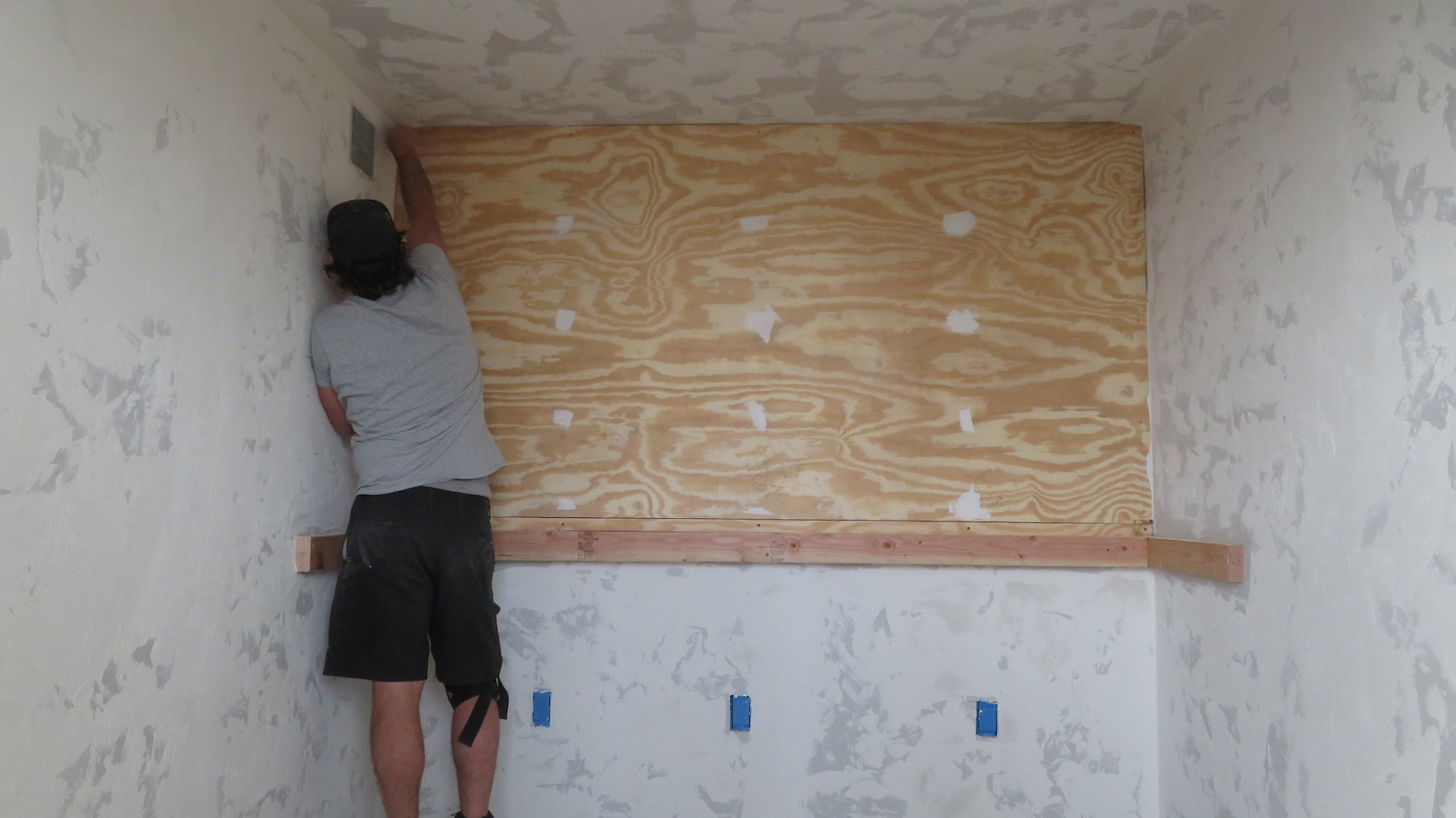
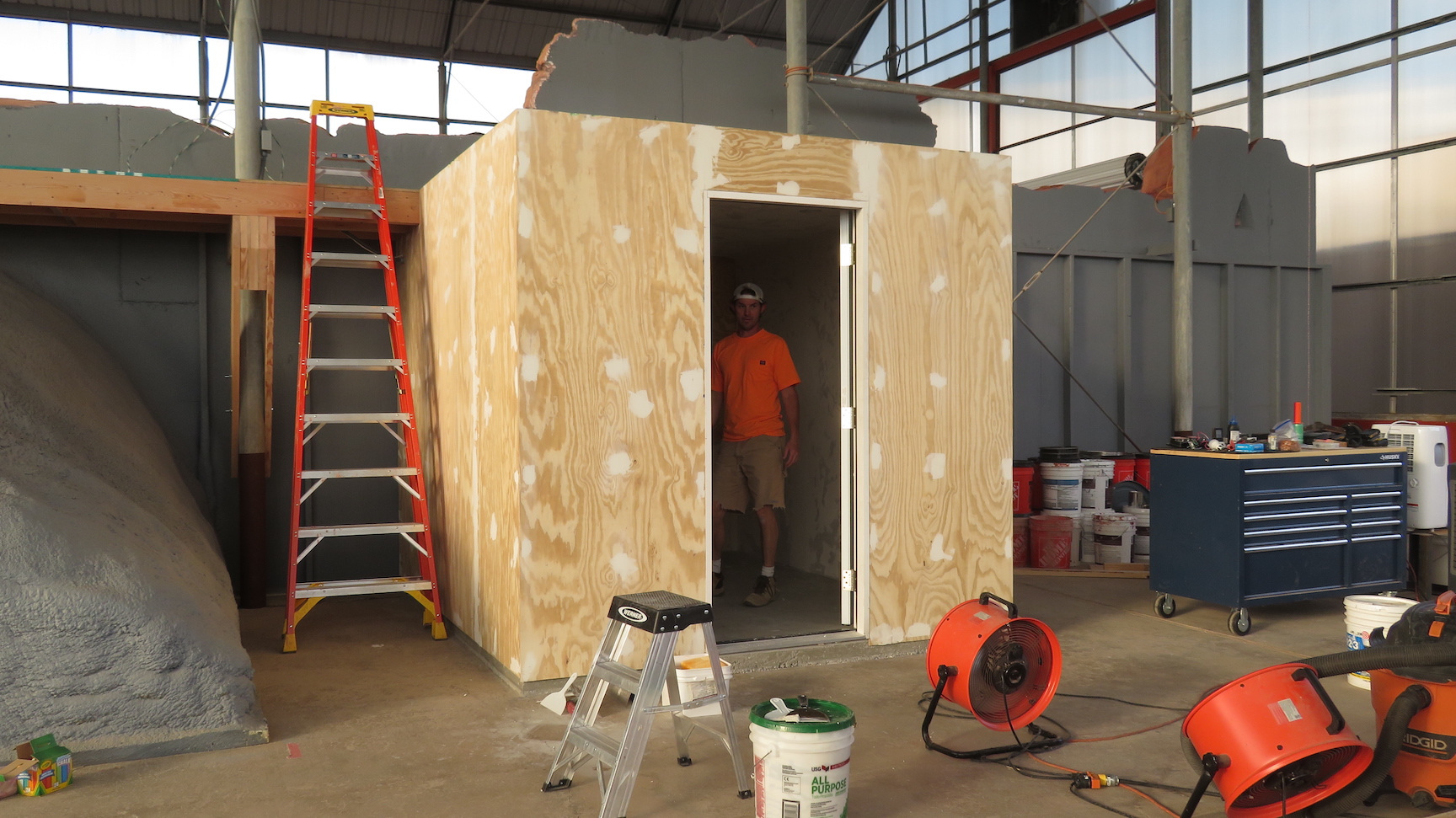
The new IT room at SAM is nearly complete. Matthias and Nathan are applying the final coats of paint. We are keeping with the same space-themed colors in the Behr paint product line with “Lunar Surface” and “Mission Control” as applied in the Operations Center, up the hill.

What’s more, we painted the entire south wall of the IT room with chalkboard paint in order that we can hold team meetings in the Mars yard workshop and take notes that everyone can see, leave messages for each other, or simply express a little artistic fun, from time to time.

By |2026-02-15T01:51:07+00:00April 3rd, 2025|Categories: Construction|0 Comments

The 4-bed CO2 scrubber at SAM – Design

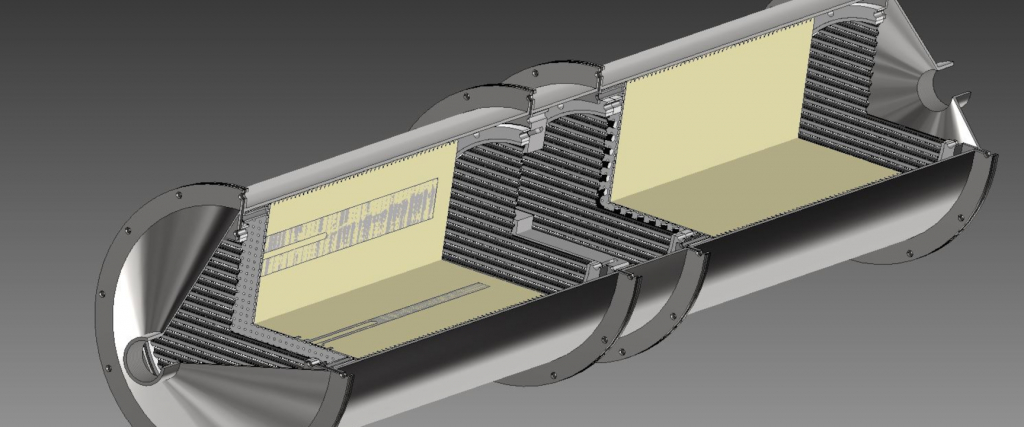
Design of a canister stack for the 4-bed CO2 scrubber at SAM, by Griffin Hentzen

by Griffin Hentzen, ME

In any closed environment such as a house, school, or pressure vessel, carbon dioxide (CO2) builds up at a rate dependent on the volume of the space, the number of humans inside, and the degree of closure. With a spacecraft, we will assume complete closure, for our baseline design. After a certain amount of time, the increased CO2 levels can have adverse effects on the crew members. For this reason, all crewed spacecraft have some method of removing CO2 from the cabin air.

Sometimes a single-use system, called a non-regenerable CO2 removal system, is employed. You can find these on short duration spacecraft like SpaceX Crew Dragon or the Boeing Starliner. These systems are simple, but since you can’t regenerate them (remove the CO2 and re-use) on orbit, they are not well suited for long-duration missions.

This is why we are designing a regenerable CO2 removal system for SAM, one that has the capability of capturing (adsorbing) and then releasing (desorbing) CO2 when desired. These systems are in use on the International Space Station (ISS) and are planned for future space stations and long-term crewed missions. SAM will leverage the existing design of the 4-bed-CO2 removal system (4BCO2) currently in use on ISS as the primary CO2 system, under a technology license from NASA Marshall. This will enable SAM crews to remain sealed inside for long duration (multiple week) missions.

I have the honor and priveledge of working with Dr. James Knox, a world leading expert on carbon dioxide removal systems and NASA veteran of nearly three decades. He is working as a consultant with SAM through the University of Arizona.

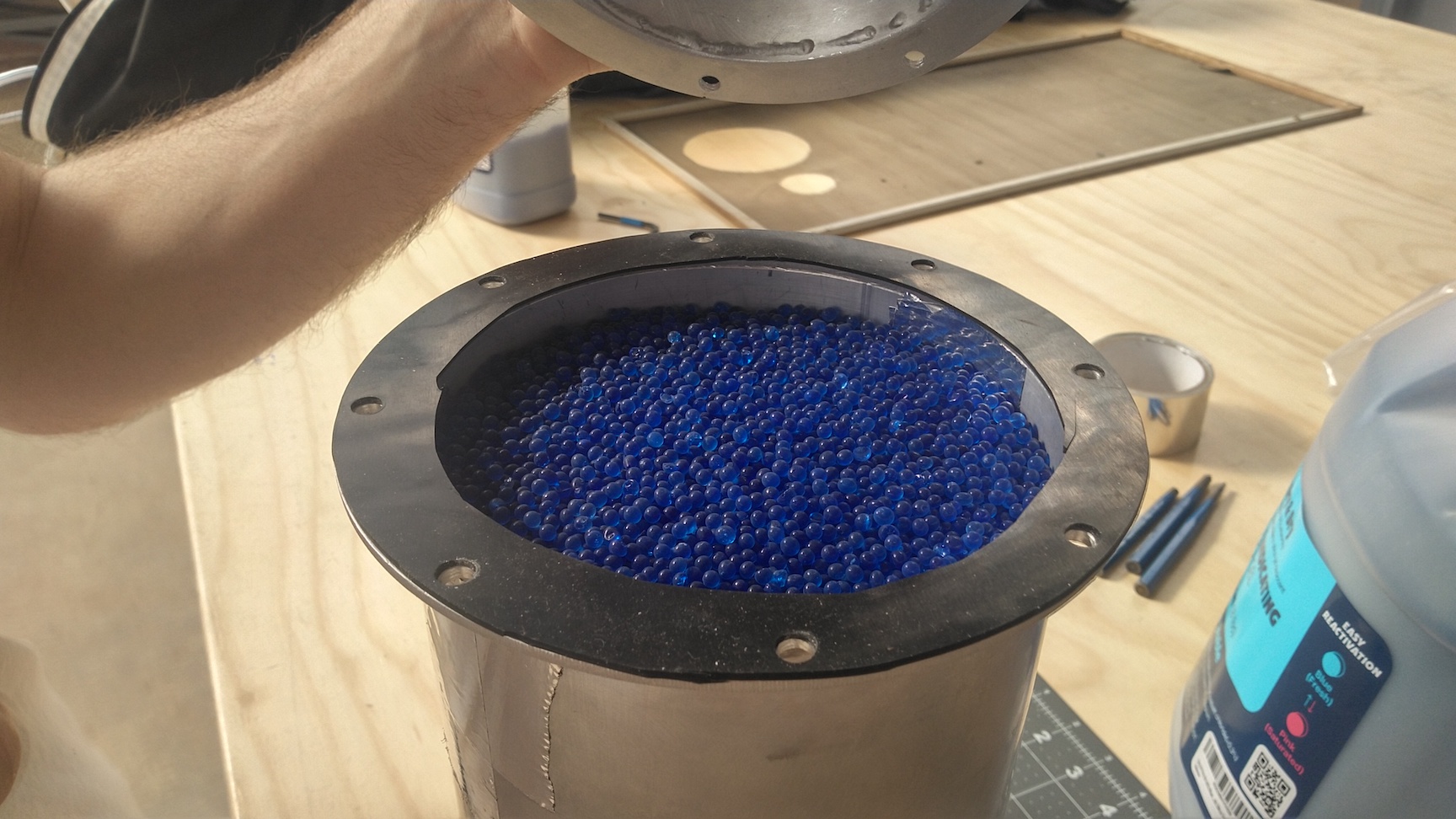
The 4BCO2 system employs a 4-bed, molecular sieve, thermal-vacuum, swing adsorption cycle. Let’s break that down. 4-bed simply means there are four main metal chambers that hold minerals called desiccants and zeolites. These minerals are very good at capturing water vapor and CO2 at the molecular level (thus, “molecular sieve”). The machine cycles between modes of adsorbing or desorbing (capturing/releasing) water vapor and CO2 based on the temperature and vacuum pressure we apply to them. When the bed is desorbing its CO2, we direct that CO2 down a specific line to permanently separate it from cabin air. Each bed will be adsorbing CO2 or water vapor, and then the cycle will switch, and the bed will “swing” into the other mode. Thus, 4-bed molecular sieve thermal-vacuum swing adsorption cycle.

We have designed or selected most of the essential components at a preliminary level, and are looking forward to seeing how the project progresses. The metal chambers and all flanges are designed by our team and will be manufactured by the University of Arizona’s Welding and Fabrication Facility. Major components such as the valves, blower, heat exchanger and vacuum pump will be Commercial-Off-The-Shelf (COTS) components that meet the required specifications.

Experiment | Design | Components | Assemble | Fabrication | Operation (coming soon)

By |2026-02-18T03:27:02+00:00March 22nd, 2025|Categories: Research & Development|0 Comments

The 4-bed CO2 scrubber at SAM – Experiment

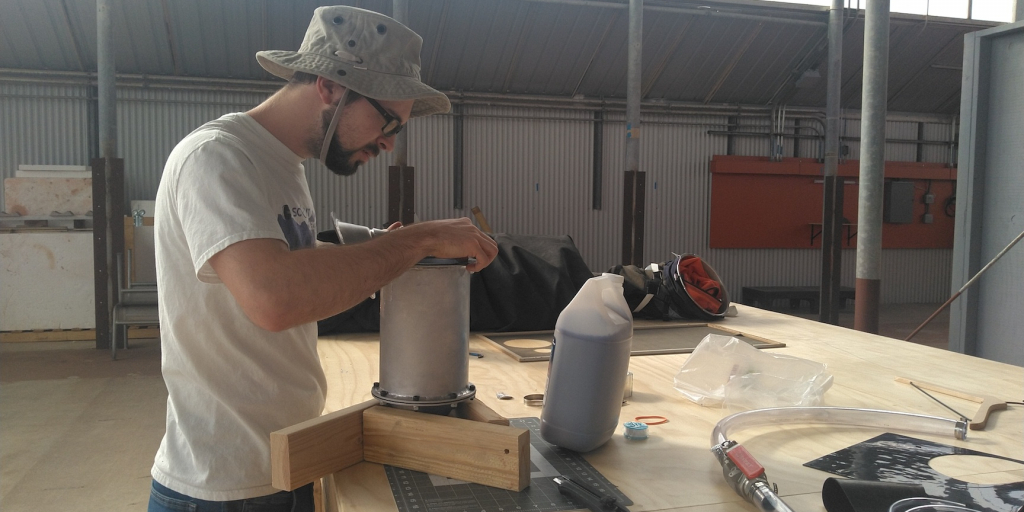
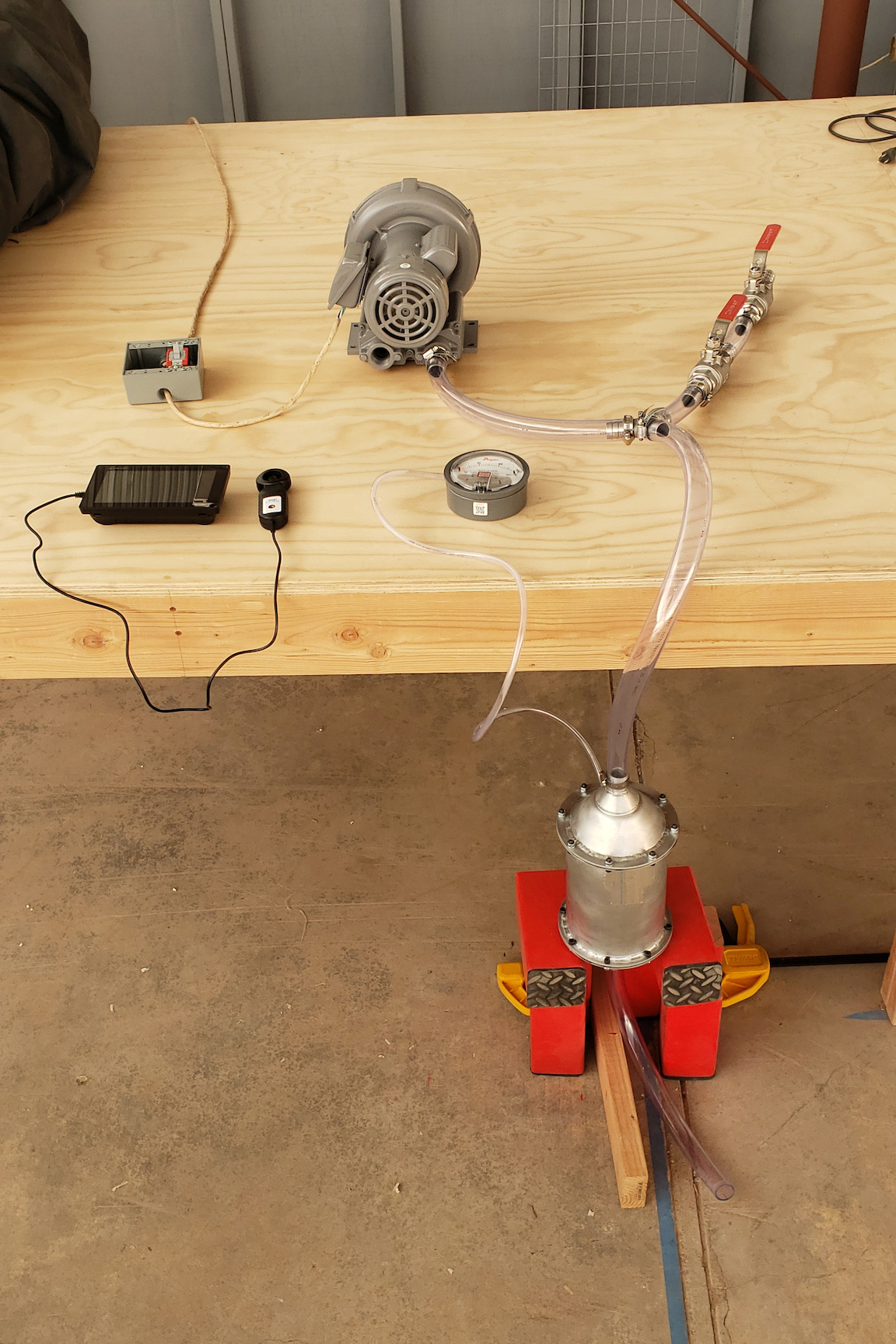
Griffin Hentzen building an early test rig for the 4-bed CO2 scrubber at SAM

Griffin Hentzen building an early test rig for the 4-bed CO2 scrubber at SAM by Griffin Hentzen, ME

As we move into the test phase, we are running a series of tests to ensure that certain custom components will perform as expected. One component of significance is the metal chambers that will hold the desiccant and sorbents. In order to remove a given amount of CO2, the system needs to move a specific volume of air in a given period of time.

An early test rig for the 4-bed CO2 scrubber at SAM by Grffin Hentzen The silica and zeolite beads in the beds cause a significant amount of resistance to that airflow, so it is essential we can calculate the blower capacity for the given, required flowrate. For this immediate test I am repurposing metal chambers and valves used in a previous senior design project (2022), with a new, small blower.

We will measure the pressure drop (the amount of pressure needed to push air through at a given rate) across the metal chamber as well as the flowrate of air. We will control the flowrate by incrementally opening and closing a bleed valve that enables a limited portion of the air to bypass the chamber entirely.

Once we have the correlation between the flowrate and the pressure drop, we will be able to predict the pressure drop in chambers of different sizes and different flowrates. This will allow us to determine the requirements for the final blower we select.

Experiment | Design | Components | Assemble | Fabrication | Operation (coming soon)

By |2026-02-18T03:26:40+00:00March 5th, 2025|Categories: Research & Development|0 Comments

USSF Guardian advances space agriculture research in NASA study

William Wallace at SAM, Biosphere 2

March 3, 2025
by Staff Sgt. Jaime Sanchez
Space Base Delta 1

SCHRIEVER SPACE FORCE BASE, Colo. — In an ongoing NASA study set in the backdrop of Arizona, U.S. Space Force Spc. 4 William Wallace, 4th Space Operations Squadron payload engineer, was invited to further continue the science community’s understanding of extraterrestrial agriculture.

Read the full article …

By |2025-03-04T14:56:41+00:00March 4th, 2025|Categories: In the news|0 Comments

APUS ARG-1S Red Crew Egress

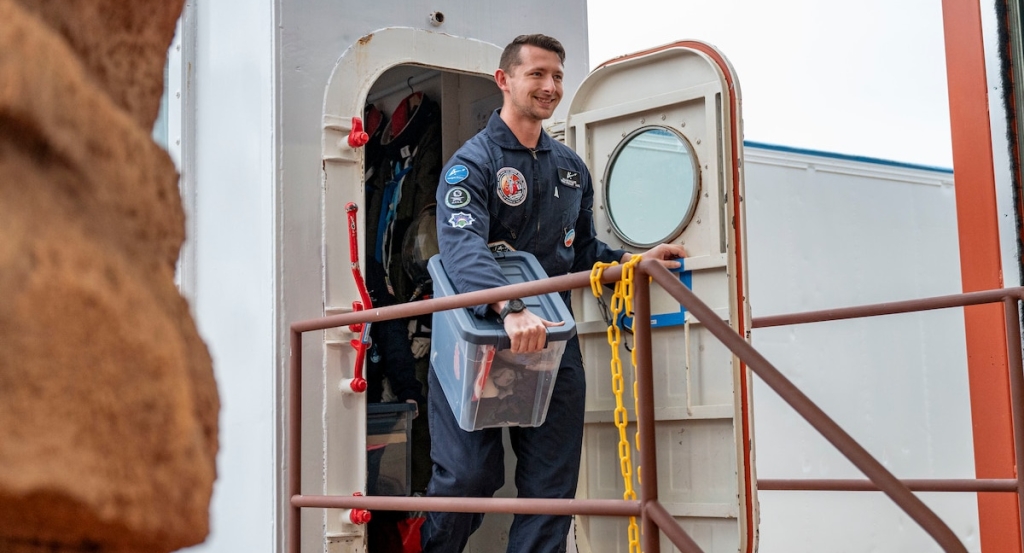
APUS ARG-1S Red Crew exists SAM after five days sealed inside this pressurized facility.

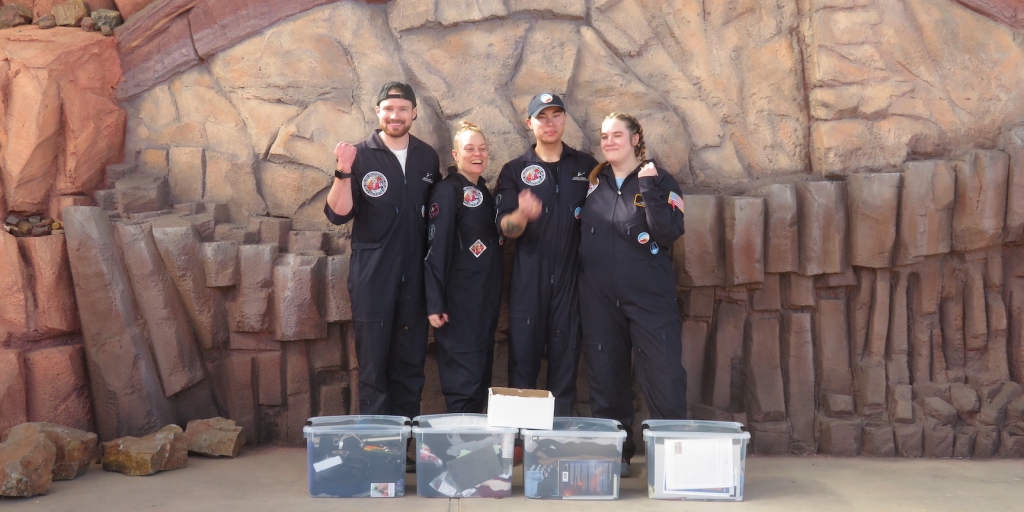
APUS ARG-1S Red Crew Keston Denhalter, Aedanaya Diamond, Gilbert Wilkerson, and Commander Laura Rieske egressed from the SAM research vessel today, February 18, at 10:03 am. They were met in the SAM Mars yard by the members of the Blue Crew and Mission Control.

In the debrief that followed at the SAM Operations Center, the mission was described as a complete success with all science objectives met, data collected on several vital systems (CO2, RH, potable water, hydroponics), and a successful Mode 3 run in which the vessel was fully sealed for four hours.

Photos and narrative coming soon!

By |2025-02-18T21:04:14+00:00February 18th, 2025|Categories: Research Teams|0 Comments

Storytelling with data: an analysis of RH at Mission Control

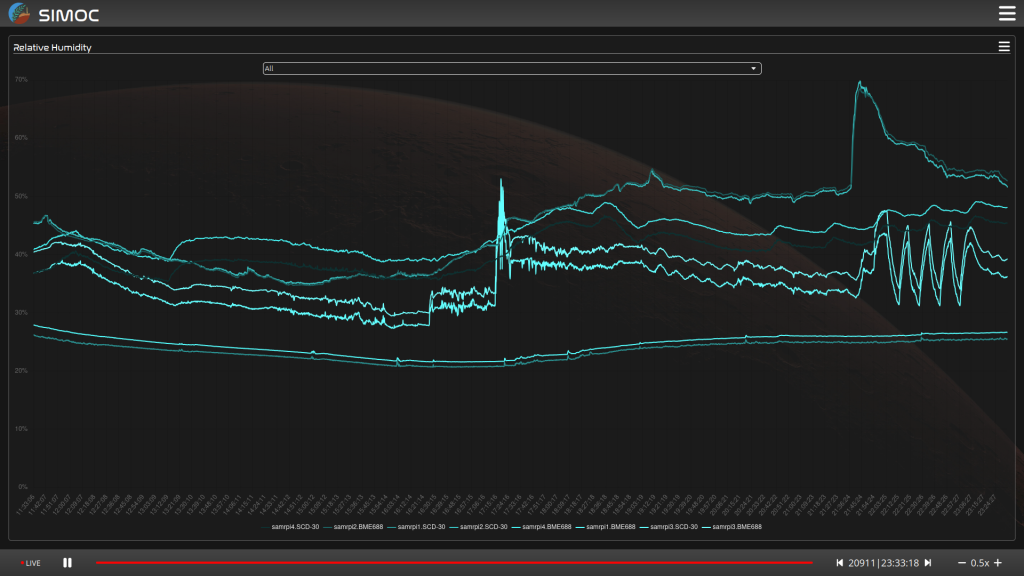
An analysis of RH from Mission Control at SAM, Biosphere 2

SAM offers a unique, highly engaging experience for visiting crews as it likely the first time they have monitored carbon dioxide (CO2), relative humidity (RH), temperature (temp), VOCs, and pressure in a hermetically sealed vessel for the duration of an analog mission.

While prior discussions of air quality in SAM usually focus on CO2, the APUS ARG-1S crew was asked to also keep a close watch on relative humidity as they are the second crew to condense the moisture contained in the vessel’s body of air, filter it, and then add it back into their potable water supply.

There are a total of seven devices able to condense water vapor into liquid water within SAM: 2 mini-split heat pumps and 2 dehumidifiers in the Test Module; 1 mini-split and 1 dehumidifier in the Engineering Bay, and 1 mini-split in the Crew Quarters. As the TM currently contains two racks active in hydroponics to provide fresh vegetables for the crew, the mini-splits must remain set to Heat, even in this too-warm winter in order to maintain an approximation of the ideal growing temperatures. In heating mode, any condensation occurs on the condenser, outside of SAM.

The dehumidifiers can be set to presets of Continuous, 55%, or 45% with manual setting of a much wider range. They activate when they sense the relative humidity to be at or above the given threshold. The mini-splits condense water at the air handler inside the habitat, or can be set to Dehumidify in which they neither heat nor cool the habitat, but work instead to capture water from the air and drain it into a potable bucket, one below each wall-mounted unit.

As such, the crew may elect to set the mini-splits to Heat, Cool, or Dehumidify as they see fit in the Engineering Bay and Crew Quarters, manually changing the settings throughout the day and night. The crew has access to a local, real-time display of the SIMOC Live data via the dedicated terminal in the EB, or on any of their laptops.

At the SAM Operations Center and Mission Control, which for this mission was occupied by two dedicated officers and the rotating crew before and after the crew switch on day 5 (through the airlock), the same data is also available, delayed by 20 minutes to simulate the light-travel time from Mars to Earth.

One of the functions of Mission Control is to monitor the air quality, at all times, and to guide the crew as to how to manage the components. So, when a regular oscillation of humidity followed a certain spike, as registered in both the EB and CQ, it invoked a discussion at Mission Control and dialog (delayed by 40 minutes round-trip) with the crew.

Is this a false reading? And if not,
What is causing the spike in humidity?
What is bringing it back down again?

Is this a false reading? Given the data visualization on the SIMOC Live dashboard, there was some concern for the spikes and valleys. However, as RH and temperature are included with both the SDC CO2 and BME pressure sensors, there are two RH and temp sensors on-board each SIMOC Live board, and one board in each of the four modules. This is important when analyzing any of the data streams, for it helps to immediately determine if a short-term fluctuation is in fact a representation of the real world, or an anomaly in that particular sensor and data stream. It was confirmed that this is a real reading as a total of four sensors (2 in EB, 2 in CQ) were matched in the pattern.

What is causing the spike in humidity? The first guess was boiling water for coffee or tea, cooking, or exercise. But intuitively the spike was too large, registering in both the EB and CQ. In fact, it appeared that the humidity was propagating upstream, meaning against the flow of air from the Air Intake Room (SAM AIR) to the TM, EB, and CQ. As such, this had to be a good bit of moisture released all at once.

If not cooking or human respiration, then what? We then asked the crew if they had switched the mini-split units from Dehumidify to Heat, as this would disable the function of condensing moisture and quite possibly dump moisture into the air. The theory (proposed by Kai) was that the heat exchangers have a large copper surface area by which a relatively large volume of air can interact, thereby heating, cooling, and/or removing moisture. If that surface area is wet with condensate, and the mode is switched to Heat, the coils will rapidly move from cold to hot and immediately eject the water molecules back into the air as soon as the fans spin up.

We inquired if in fact the crew has made this switch, and yes, they confirmed this to be true.

What is bringing it back down again? The oscillation then is the dehumidifier in the same module working to reduce the humidity, turning off when it reaches its desired low threshold, then kicking in again as the humidity rises.

Case solved!

By |2025-02-20T21:40:45+00:00February 16th, 2025|Categories: Research Teams|0 Comments
Go to Top